


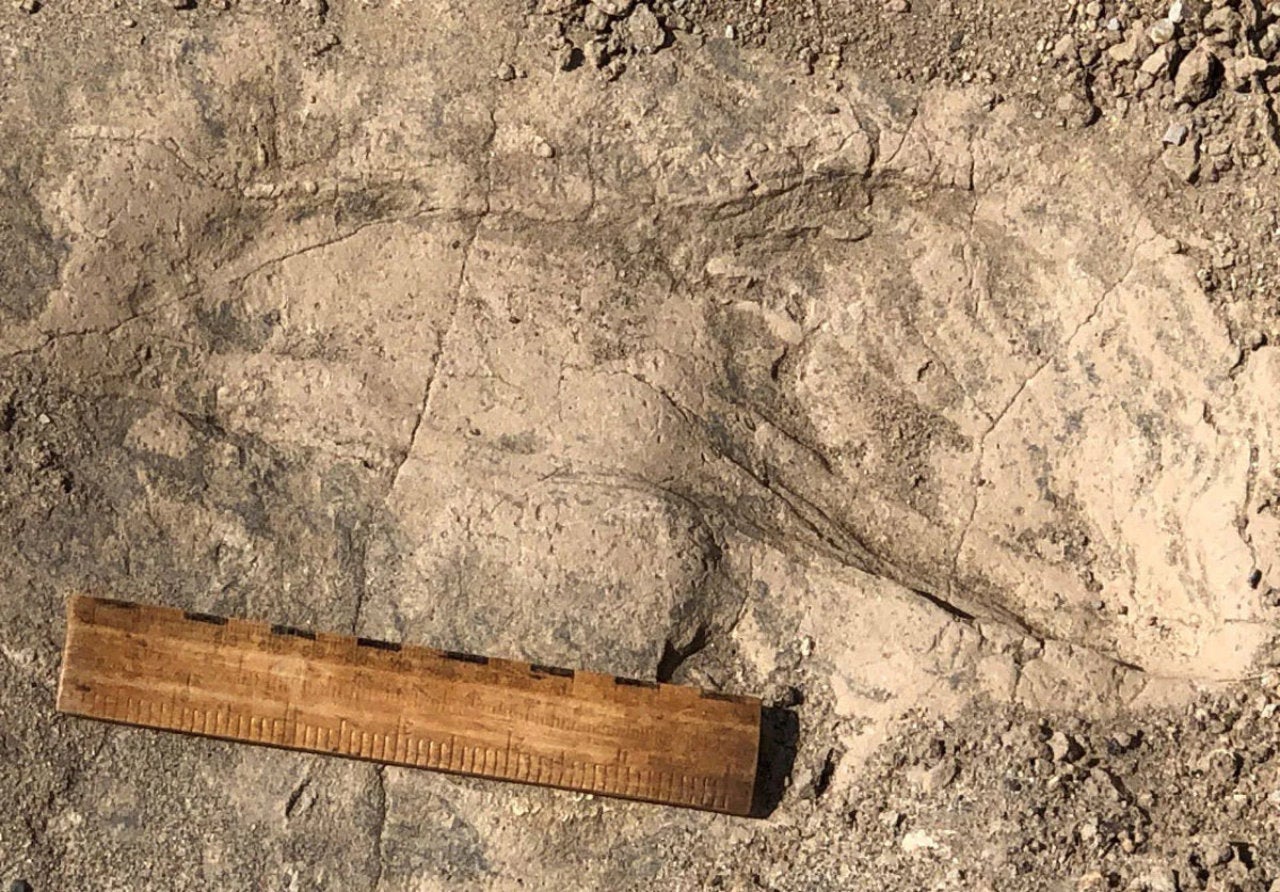
About 1.4 million years ago, eight individuals walked across wet ground on the shore of an ancient lake in what is now Kenya. A layer of sediment soon covered their footprints, preserving them until today.
The find offers something fossilized bones can rarely provide: direct evidence of several extinct human relatives moving together through the same place at nearly the same moment. Researchers determined the tracks belong to Paranthropus boisei, a hominin with powerful jaws that lived alongside early members of the genus Homo but eventually went extinct without leaving direct descendants.
A bigger body than expected
Until now, scientific understanding of the species, nicknamed the "nutcracker man" for its enormous molars and powerful chewing muscles, was based almost entirely on skull anatomy. The new trackway has upended assumptions about its body size. The dimensions of the footprints show that some of these individuals reached up to 1.80 meters in height and about 75 kilograms in weight, proportions comparable to many people today.
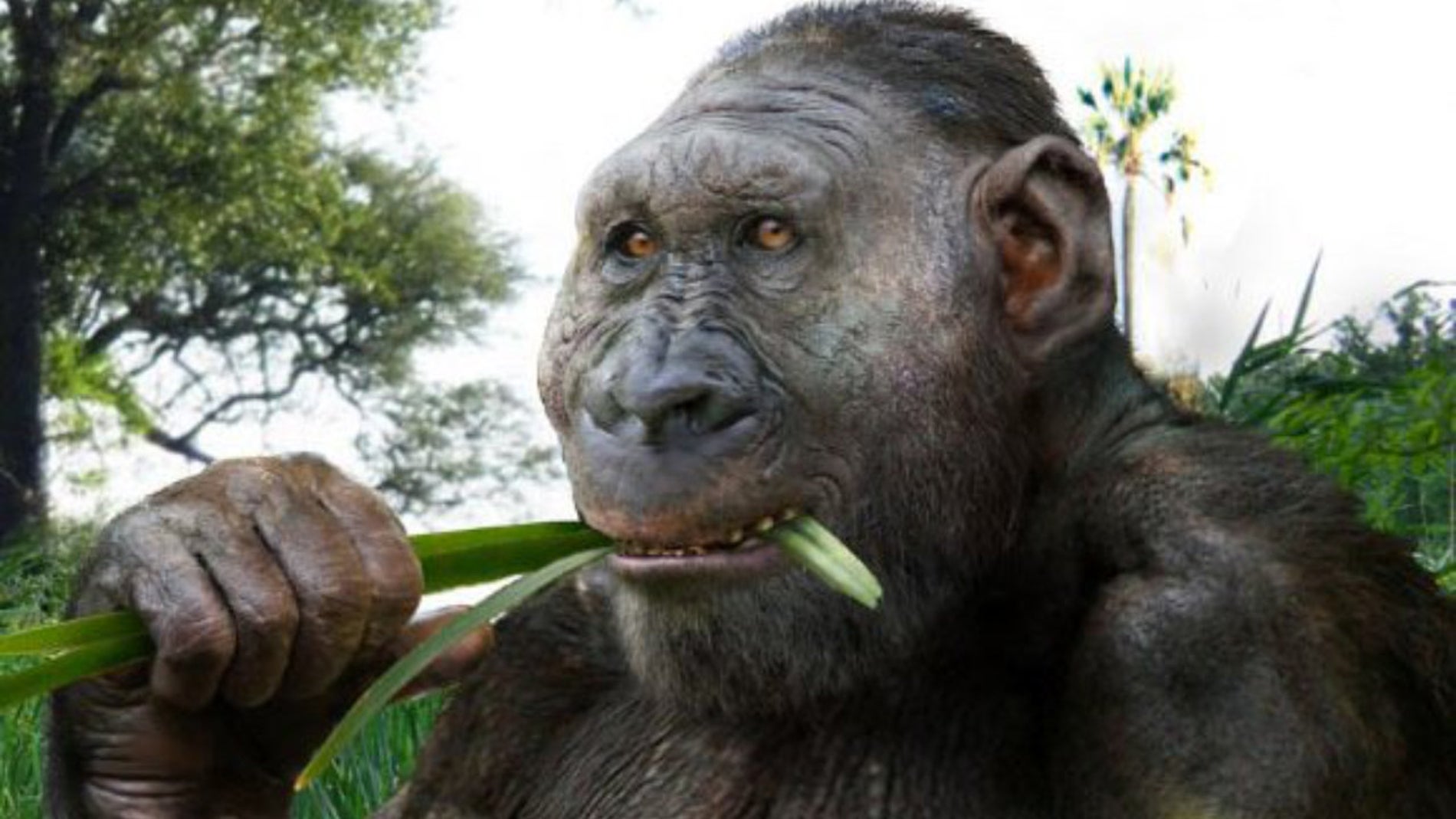
These measurements caught researchers off guard, since the few known fossil limb remains had suggested a build much smaller than that of Homo erectus, the other species that inhabited the area and sits on the human evolutionary line.
Clues in the mud about social behavior
Beyond redefining the species' size, the group of footprints offers clues about the social life of these hominins. All eight footprints belonged to adults, mostly males, with no sign of females or young, which hints at a more complex social structure than previously thought.
Scientists believe these extinct primates may have lived in large groups where males competed for females but also cooperated and tolerated one another in order to move safely through dangerous terrain.
A lakeshore shared for over 100,000 years
The site where the tracks were recorded, in the East Turkana region, shows that lake shores attracted various hominin species continuously for more than 100,000 years. Using new analytical methods that examine foot shape and walking mechanics, researchers were able to distinguish these marks from those left by Homo erectus.
While other sites in the area have shown that the two species shared the same lakeside ecosystem and even crossed paths, this new surface captures a different scene: the coordinated movement of an exclusive group of Paranthropus boisei.
The preservation of this brief moment was possible thanks to an exceptional geological sequence, in which soft, freshly trodden mud was quickly covered by new layers of earth before wind or waves could destroy the shapes. Rather than simply telling researchers which species existed, the footprints show where they were headed, how they moved, and who walked beside them.



