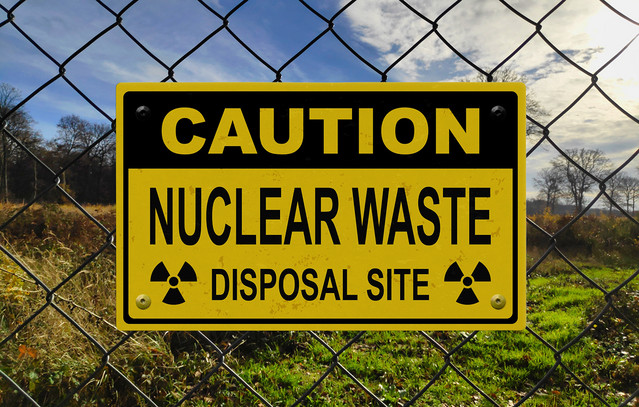
Finland has taken a decisive step toward operating the world's first permanent geological disposal facility for spent nuclear fuel, after the country's nuclear safety regulator recommended granting an operating license for the Onkalo facility.
Finland's Radiation and Nuclear Safety Authority, STUK, announced on Tuesday, August 4, that it had submitted a positive opinion to the Ministry of Economic Affairs and Employment on Posiva's application to operate the encapsulation and final disposal facility for spent nuclear fuel.
STUK said the safety requirements set out in Finnish law are met and that it found no obstacle to granting the license from a nuclear safety standpoint. The development is described as historic, since it marks the first time worldwide that a geological repository for spent nuclear fuel has reached the licensing stage. STUK's positive opinion is a necessary condition, but the final decision on granting the license rests with Finland's government, after the responsible ministry processes the case.
Waste stored 450 meters underground
Onkalo is located in Olkiluoto, in the municipality of Eurajoki in western Finland, and was built by Posiva, a company owned by energy firms Teollisuuden Voima and Fortum.
Spent nuclear fuel will first be placed into special metal canisters at the aboveground encapsulation plant. The canisters will then be moved into underground tunnels carved into bedrock at a depth of roughly 400 to 450 meters.
The protection method relies on multiple, complementary safety layers. The spent fuel will be sealed in canisters made of iron and copper, surrounded by bentonite clay, with the surrounding rock forming an additional barrier. STUK said long-term safety does not depend on a single material or structure, but on the combination of the canisters, the clay and the bedrock, which limits or slows the release of radioactive substances into the environment.
Burial will not start automatically
Posiva has requested an operating license through the end of 2070. Even if Finland's government approves the application, final disposal of the nuclear waste will not begin automatically. Before work starts, STUK must confirm in a separate decision that the encapsulation facility and underground site meet all safety conditions, and the authority has also proposed the first periodic safety review take place within ten years of the license being granted.
Construction of the Finnish project was approved by the government in 2015, and Posiva submitted its operating license application in late 2021. Finland is ahead of Sweden, which began preparatory construction work in January 2025 on a similar facility at Forsmark, expected to be ready to receive spent nuclear fuel during the 2030s.