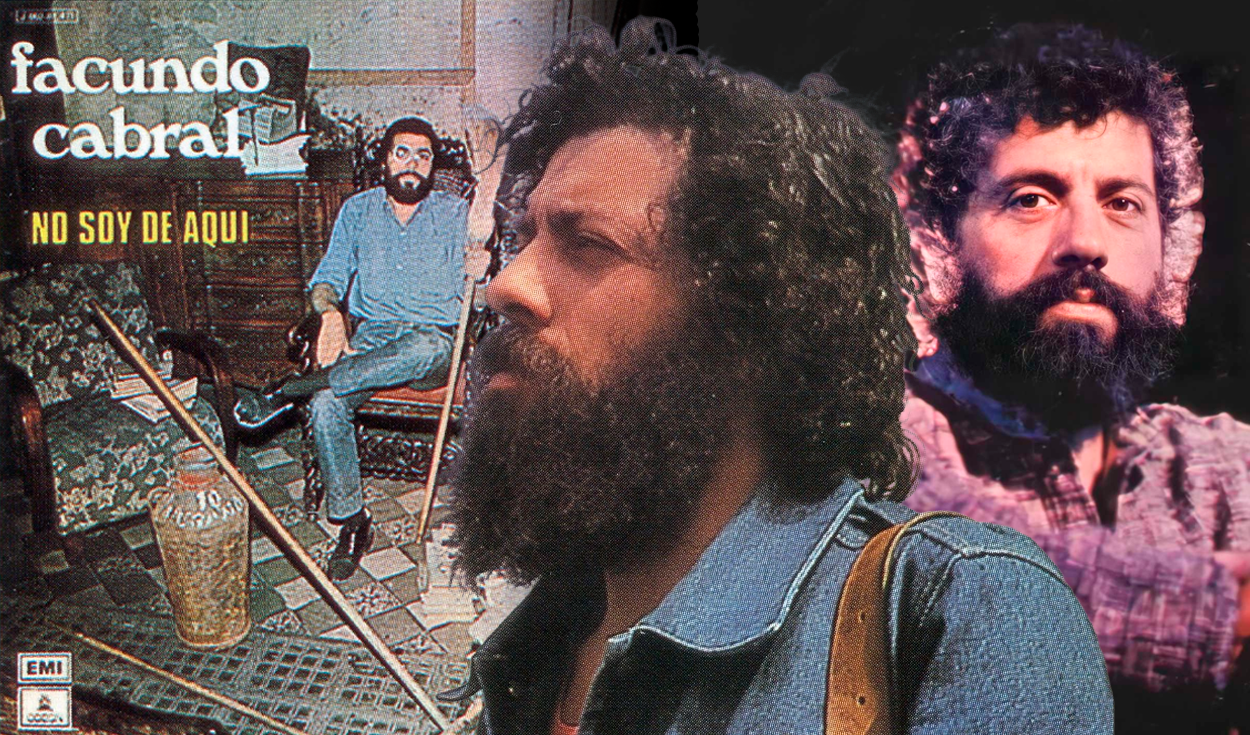
Argentine musicians Milo J and Trueno have reintroduced Facundo Cabral's signature song No soy de aquí, ni soy de allá in their track PUMAS.
The track was originally released on April 24, 2026, as part of the album TURR4ZO. In the song, the artists incorporate Cabral's celebrated chorus into a modern composition that focuses on identity, cultural roots, migration, belonging, and carrying one's homeland wherever one travels.
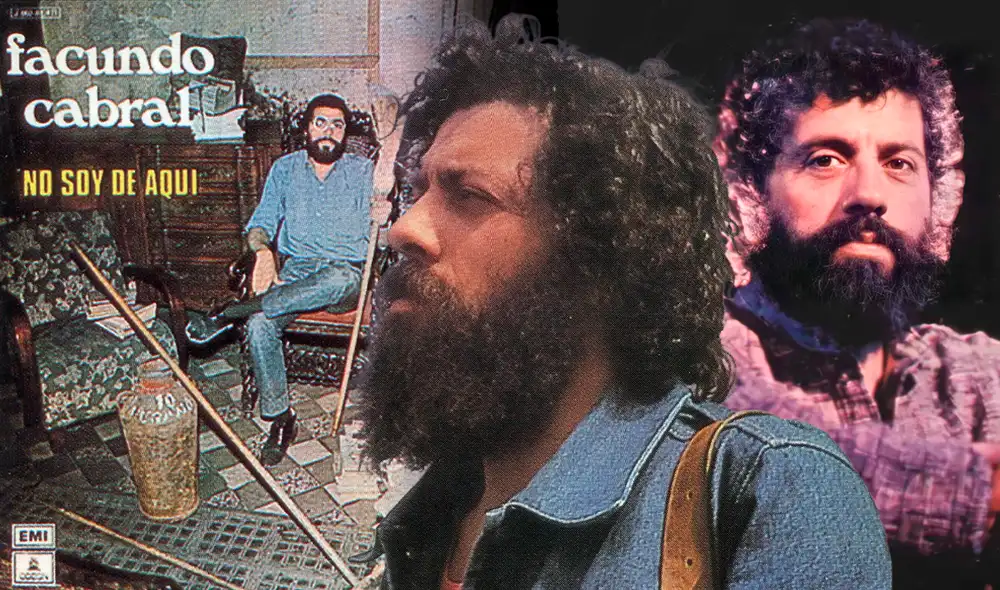
An official music video released after the track further reinforced the artistic dialogue between traditional Latin American folk music and contemporary urban music genres.
Origins of the iconic song
Although the song was formally released in 1970, its origins date back two years earlier to 1968. According to a biography published by the Facundo Cabral Foundation, the Argentine singer and songwriter was traveling in Uruguay alongside fellow musician Jorge Cafrune. During the trip, the two artists spoke with sorrow about the political and social situation in Argentina.
Following a stage performance in Uruguay, Cabral improvised the composition for Cafrune. He later entered the piece into the First Argentine Song Festival for the World, where he performed as a finalist.
Over subsequent decades, the composition gained international prominence and was covered by artists across multiple countries and languages. By 1998, marking the 30th anniversary of its creation, the Facundo Cabral Foundation noted that prominent figures such as Alberto Cortez, Julio Iglesias, and Juliette Gréco had recorded their own renditions.
Digital music archives continue to document Cabral's authorship of the work. Streaming service Apple Music credits Cabral as both composer and lyricist of the song, while Spotify records historic renditions dating back to the early 1970s.
Recognition as a World Messenger of Peace
Beyond his musical output, Cabral gained international recognition for his advocacy of peace and universal brotherhood. In 1996, representatives from the United Nations Educational, Scientific and Cultural Organization presented him with the distinction of World Messenger of Peace during a ceremony in Caracas, Venezuela.
The designation by UNESCO honored Cabral's lifelong message of unity among nations. Institutional archives from the Konex Foundation also record that UNESCO declared Cabral a World Messenger of Peace in 1996, documenting his public career until his death on July 9, 2011.
Throughout his career, Cabral combined pacifism with sharp social commentary. He frequently criticized authoritarian dictatorships, social inequality, and systemic injustice across Latin America. Rather than offering simple protest, Cabral characterized his artistic interventions as constructive proposals, blending social critique, spirituality, humor, and personal freedom.
Tragic murder in Guatemala City
Cabral's life ended in violence on July 9, 2011, when the 74-year-old artist was shot and killed in Guatemala City. At the time of the attack, he was traveling in a vehicle alongside Nicaraguan businessman Henry Fariñas.
Subsequent investigations conducted by Guatemalan law enforcement authorities established that Cabral was not the intended target of the armed assault. The Public Prosecutor's Office of Guatemala later uncovered a broader criminal network linked to the shooting.
Guatemalan prosecutors secured convictions against the perpetrators of the crime, identifying Alejandro Jiménez González, known by the alias El Palidejo, as one of the primary figures responsible. Jiménez González received a 30-year prison sentence for murder, along with an additional 20-year sentence for attempted murder.
The assassination of Cabral sent shockwaves across Latin America and drew widespread international condemnation, given his decades of public dedication to peace. The Congress of Guatemala later held official remembrances marking his death on July 9, 2011, reaffirming his enduring legacy as a UNESCO World Messenger of Peace.