


Neurophysiologist Eduard Estivill has warned that using mobile phones before sleeping is a very serious problem, even when activating night mode settings.
Speaking in an interview with Nude Project, the European Sleep Medicine specialist explained that switching a screen from bluish white to a warmer color tone creates a false sense of security. The feature does not reduce screen brightness or stop users from reading messages, watching videos, and checking social media in bed.
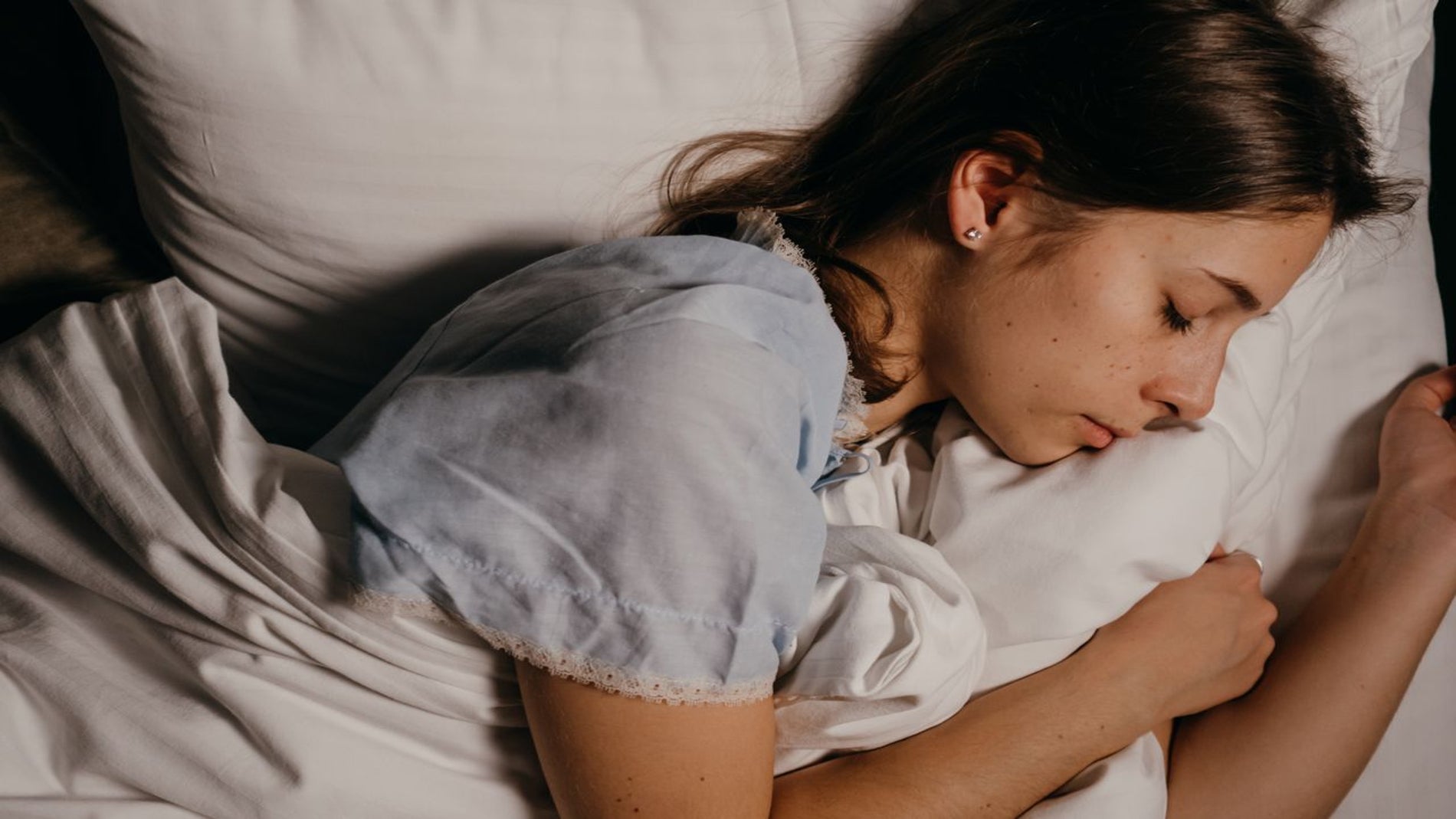
Estivill noted that light reaching the human eye depends on intensity, spectrum, distance, and exposure duration. Content itself can keep individuals mentally active when the human body should begin slowing down for rest.
Psychology research indicates that sleeping with a mobile phone on a nightstand is among the factors most strongly linked to worse sleep quality in minors. Studies also show that using mobile phones at night negatively impacts both sleep quality and mental health in adolescents.
Neurophysiology is a medical discipline focused on the function of the nervous system, while sleep medicine addresses physiological disorders disrupting normal rest patterns.
Melatonin suppression and screen brightness
Scientific trials have questioned whether warm screen filters alone can protect melatonin production or improve rest when individuals continue using devices in bed. Melatonin is a hormone produced by the pineal gland in the brain that regulates circadian rhythms and signals to the body when it is time to sleep.
A trial published in Lighting Research & Technology examined melatonin levels in 12 young adults exposed to an iPad Air 2 for two hours at night. Each participant completed four sessions, using Apple's Night Shift feature on its warmest and least warm settings during two of the sessions.
Researchers maintained the tablet screens at maximum brightness throughout the test and analyzed participant saliva samples before exposure, after one hour, and after two hours. Following two hours of exposure, average melatonin suppression reached 10 percent with the warmest tone setting and 17 percent with the least warm setting.
The difference in melatonin suppression between the two color settings was not statistically significant, and both configurations produced suppression rates distinct from zero. The study authors concluded that altering the spectral composition of a screen without reducing its overall brightness may be insufficient to protect sleep.
However, the researchers noted that the trial was small, tested maximum screen luminosity, and measured an immediate hormonal response. The findings do not prove that all night modes are useless or apply equally to every mobile device and user.
Real world sleep efficiency and device usage
A separate study published in 2021 in Sleep Health evaluated phone usage under conditions closer to daily routines. The study followed 167 participants aged between 18 and 24 over seven nights.
Participants were divided into three test groups during the hour before going to bed. One group used an iPhone with Night Shift enabled, another used an iPhone without the filter, and a third group used no mobile phone at all.
Measurements from wrist accelerometers showed no statistically significant differences in sleep quality among the three groups across the total sample. Wrist accelerometers are wearable motion tracking devices commonly used in sleep research to monitor rest patterns and wakefulness throughout the night.
In a secondary analysis focusing on participants who slept more than 6.8 hours per night, individuals who did not use a phone achieved superior sleep efficiency and sleep continuity compared to those who used Night Shift. Sleep efficiency measures the percentage of time spent asleep while in bed, while sleep continuity reflects unbroken rest.
The combined findings suggest that warm screen filters do not render mobile devices neutral for sleep health. Researchers pointed to additional mechanisms, including the sustained attention and psychological activation required to operate interactive digital screens.
Recommendations for digital disconnection
Estivill advised individuals to prepare for sleep by disconnecting from all digital activity two hours prior to going to bed. He previously outlined this two hour buffer as an essential requirement for achieving proper physical and mental rest.
The United States Centers for Disease Control and Prevention sets a more modest target for sleep hygiene. The health agency recommends turning off all electronic devices at least 30 minutes before going to bed.
The Centers for Disease Control and Prevention is the primary national public health agency of the United States, operating under the Department of Health and Human Services to issue evidence based health guidance.
For users who cannot eliminate bedtime phone use entirely, experts state that activating night mode can form part of a broader mitigation strategy. Users should also lower screen brightness significantly and limit total screen exposure time.
However, specialists emphasize that night filters do not equal putting screens away. While color filters modify one component of emitted light, they do not eliminate light exposure or deactivate the cognitive stimulation generated by mobile applications.



