Dominican Republic Ombudsman Pablo Ulloa is launching a nationwide educational tour to explain the country's new Penal Code to citizens, aiming to bridge the gap between legal reforms and public understanding.
The initiative begins this week in the border province of Dajabón and will continue with sessions every Monday and Friday until December, eventually reaching all 32 of the country's provinces.
The Dominican Republic recently introduced a new Penal Code to replace legislation that dates back to 1884. The Ombudsman, or Defensor del Pueblo, is an independent constitutional authority tasked with safeguarding the fundamental rights of Dominican citizens.

Focus on practical application
Ulloa stated that an unrecognized right is difficult to exercise, and that the same principle applies to the law. He noted that while public debate has focused on specific articles and penalties, the new program is designed to help non-lawyers understand how the legislation affects their families, finances, online behavior and daily lives.
Rather than asking citizens to memorize legal statutes, the training focuses on recognizing situations that put rights at risk and knowing how to respond. Ulloa argued that protecting constitutional rights can be preventive, providing people with the tools to recognize risks before a violation actually occurs.
The curriculum is based on a guide titled "Penal Code for Everyone," which was developed by the Public Ministry and presented by the executive branch. The Ombudsman's office adapted the guide into a pedagogical program.
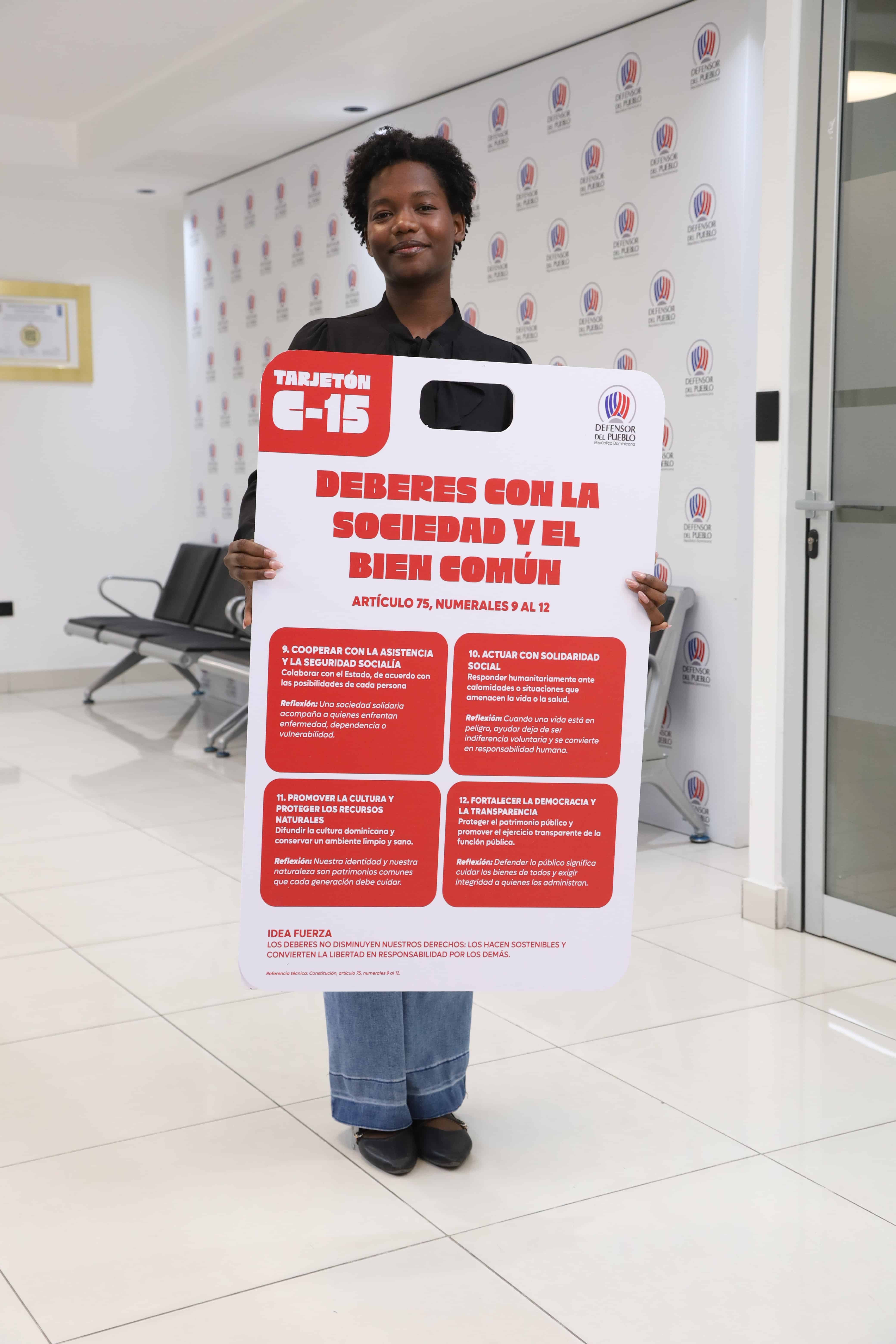
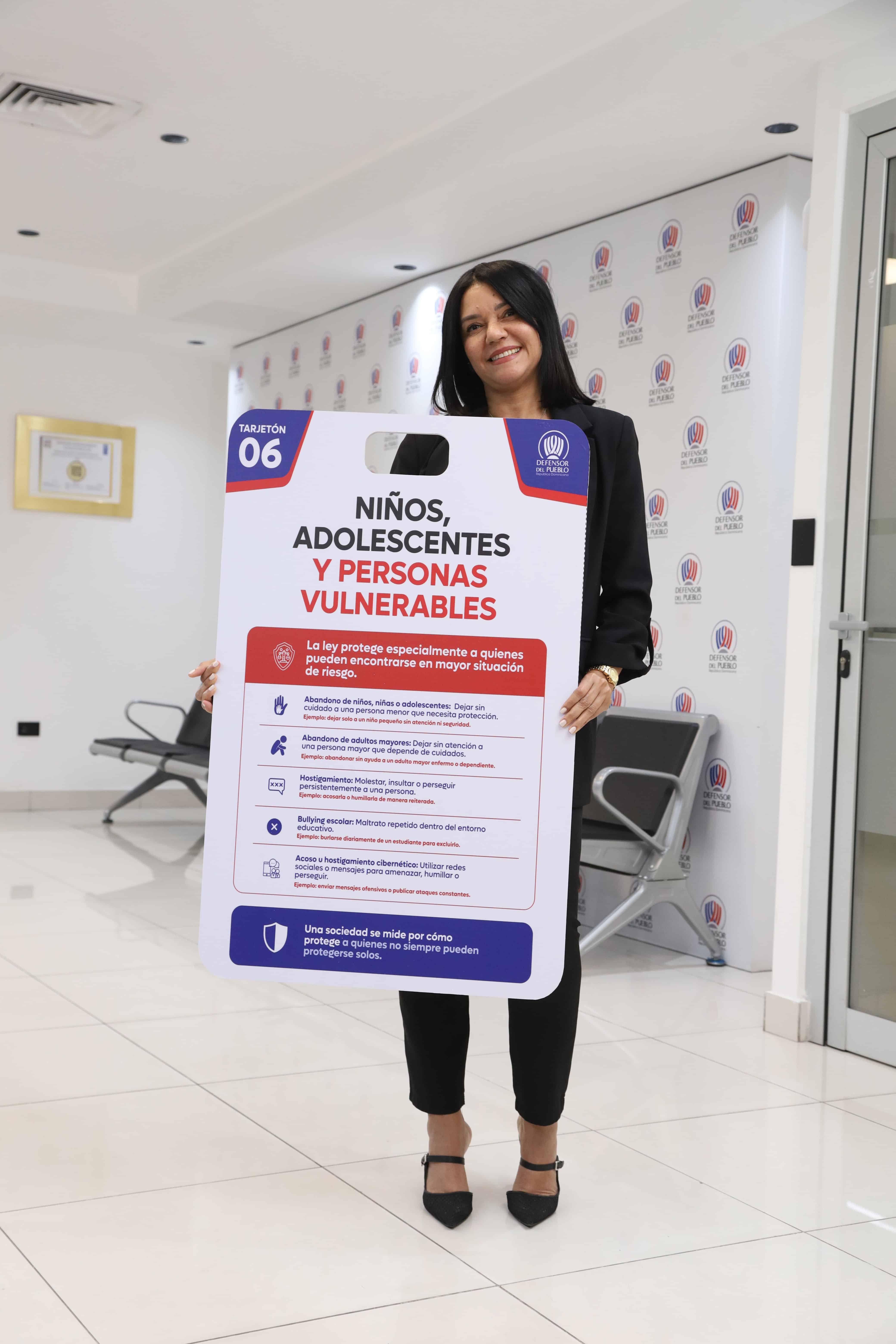
The educational sessions will bring together local governments, mayors, community boards, neighborhood associations, youth groups and territorial leaders. Each session consists of 75 minutes of theoretical training followed by 20 minutes of practical work, led by facilitators using a standardized methodology.
Real-world scenarios
The training introduces legal concepts through recognizable everyday situations. Participants will discuss scenarios such as whether receiving a private photograph grants permission to publish it, whether every financial dispute constitutes fraud, and what legal thresholds are crossed when someone repeatedly threatens a former partner.
Ulloa explained that the exercises are designed to prompt critical thinking, with possible conclusions being that a crime may exist, that one does not necessarily exist, or that more information is needed. He emphasized the importance of teaching that not every dispute requires a rushed response and not every accusation equals a conviction.
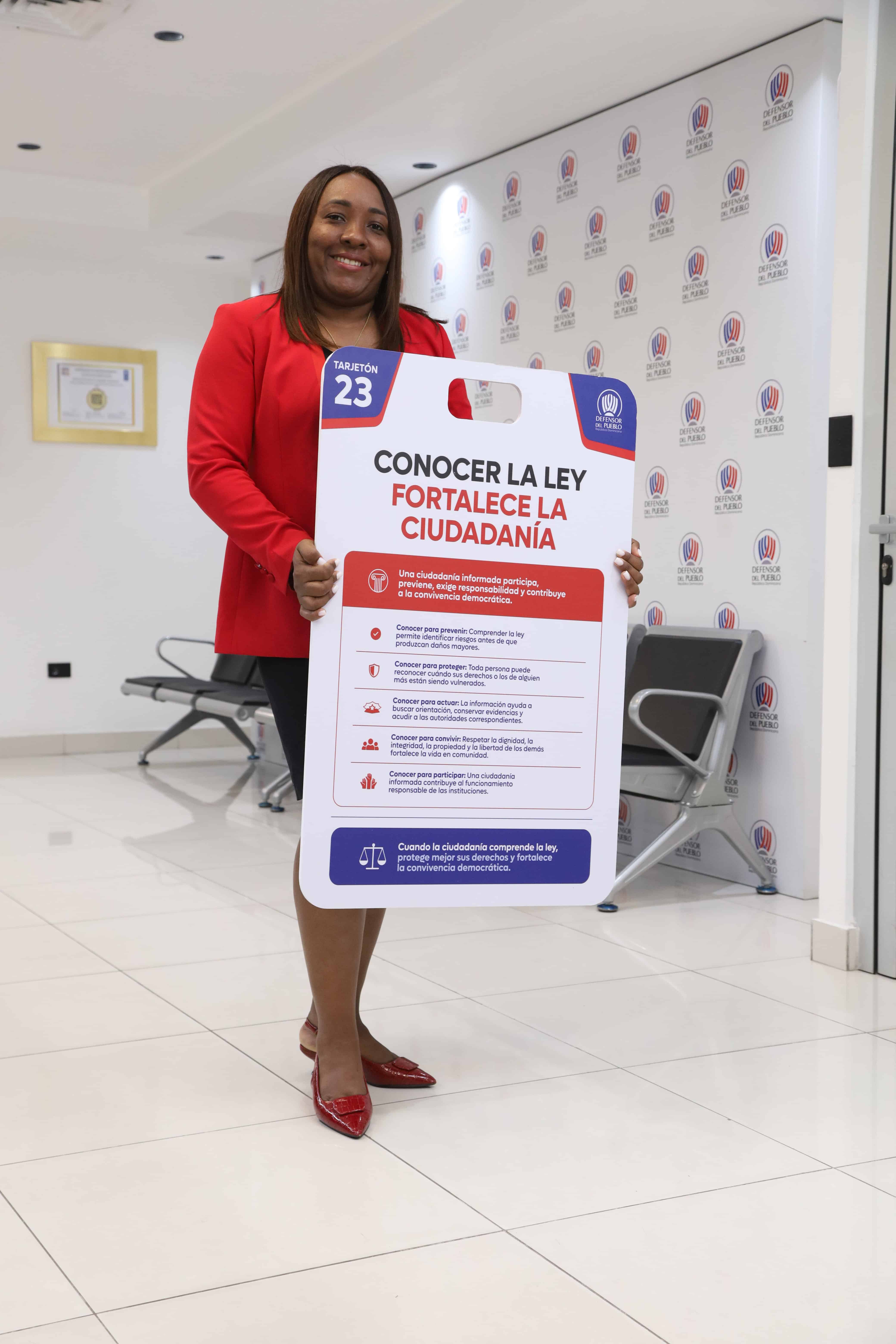
Participants will be taught a practical response route based on five actions: recognize when a conflict might escalate beyond an ordinary dispute, protect the affected person, safely conserve evidence such as messages or documents, seek proper guidance, and act by contacting the appropriate authorities.
The program emphasizes that reporting an incident is not the same as a conviction, and that victim protection must coexist with the guarantees of due process.
Digital tools and feedback
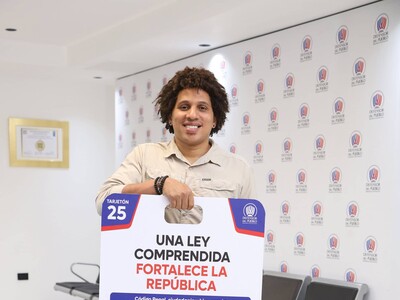
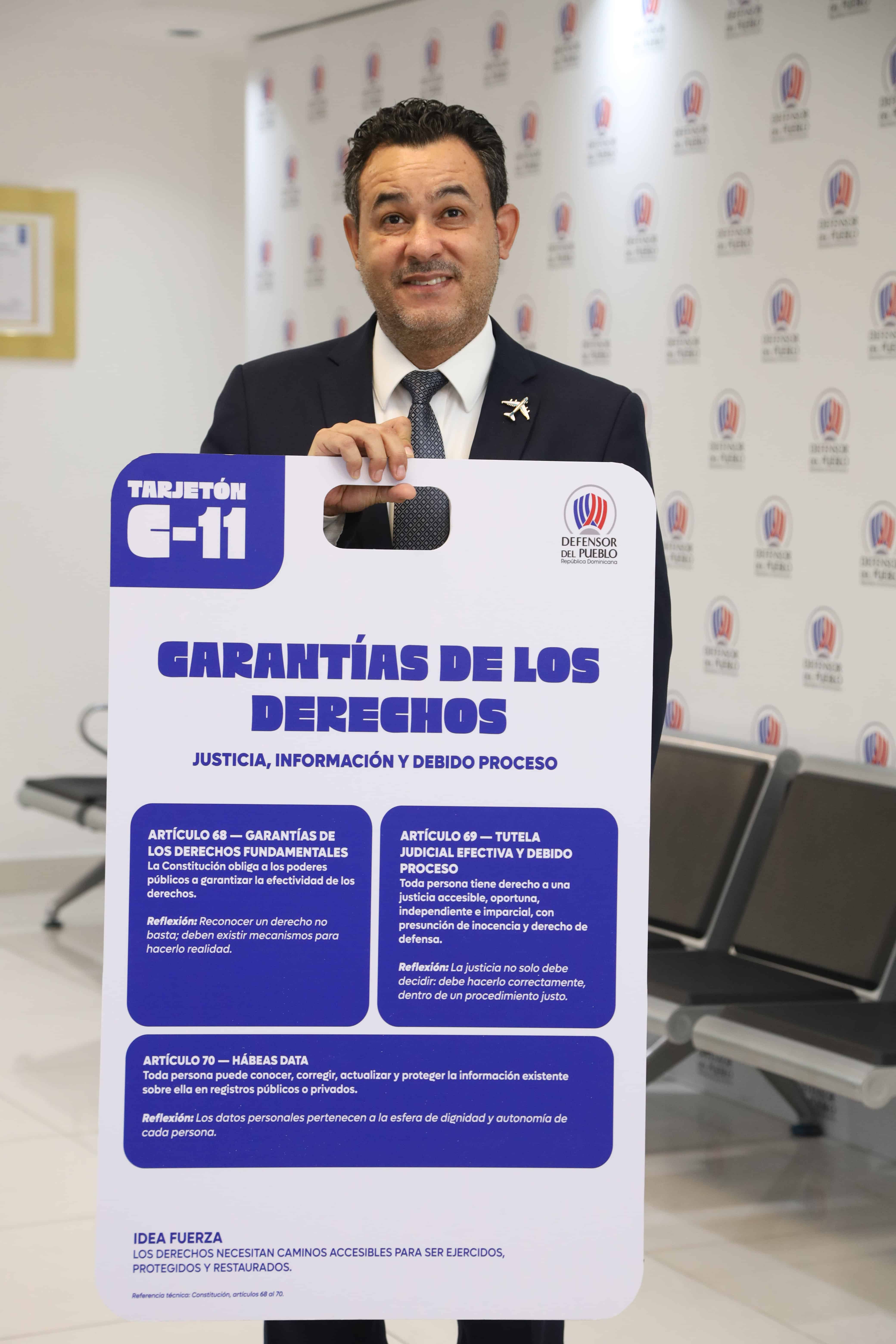
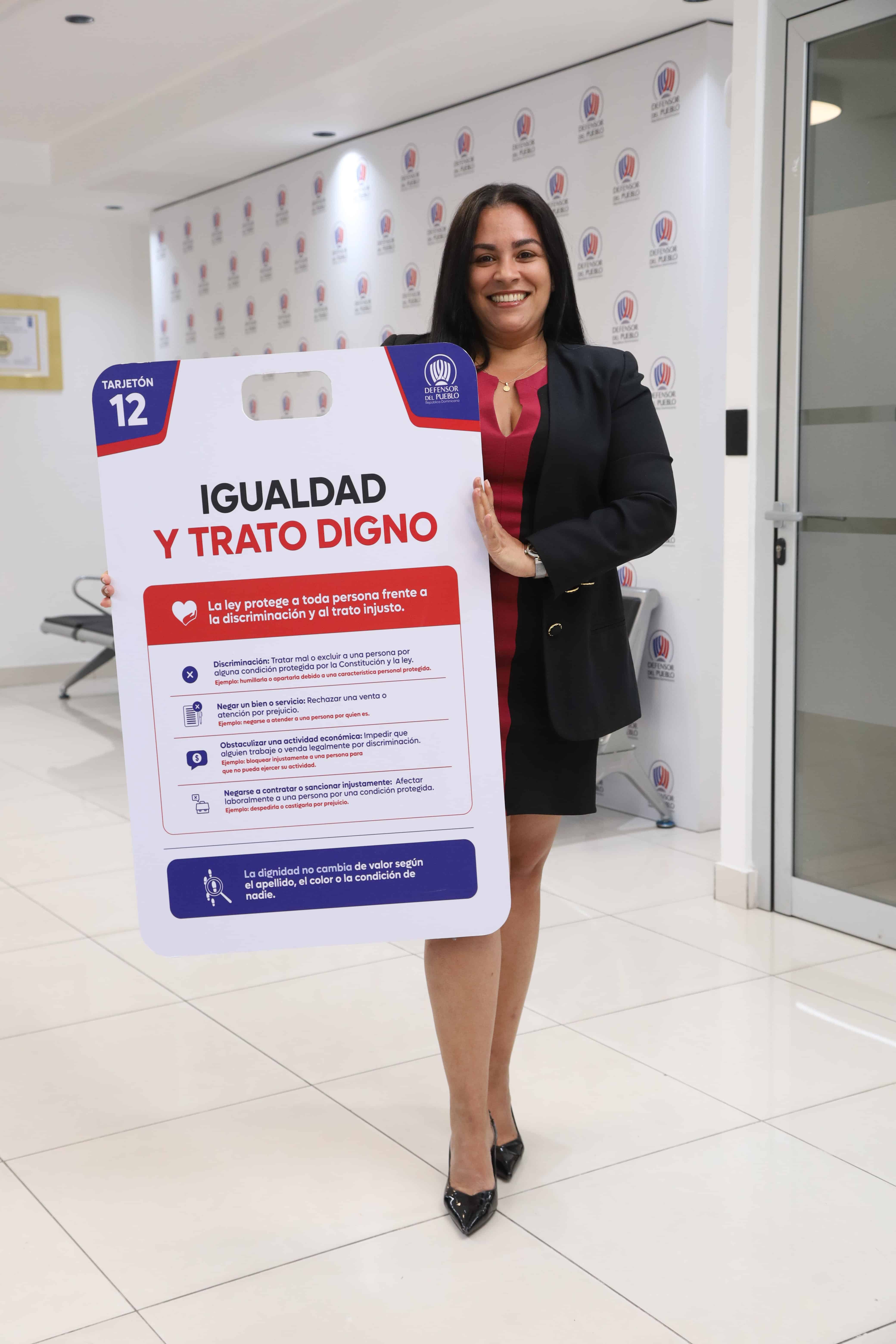
To ensure the information remains accessible after the facilitators leave, the program will distribute printed reference cards that citizens can share within their communities. The physical tour will be supported by a digital ecosystem, including live streaming of the provincial conversations, a dedicated landing page for resources, and ongoing access to the Ombudsman's Virtual Classroom.
Ulloa chose Dajabón as the starting point due to its historical significance. The province is home to Capotillo, where the Dominican War of Restoration began in August 1863. He noted that concepts like territory, sovereignty, commerce, coexistence and authority hold a particularly concrete dimension in the border region.
The nationwide deployment will also serve as a listening exercise for the government. Ulloa said he intends to use the meetings to learn which questions repeat across different regions, identify difficulties in guiding citizens, and spot coordination problems between institutions.
He argued that a solid democracy must not only pass laws but also observe their implementation and improve them based on evidence. Moving away from a model where the state merely issues decisions from the center, Ulloa said the government must also learn from the realities of its territories.
The Ombudsman stressed that the law cannot remain on paper but must reach the people. When the tour concludes in December, he said its success will not be measured by the number of provinces visited, but by the knowledge retained in local communities and the lessons institutions learned from the public.