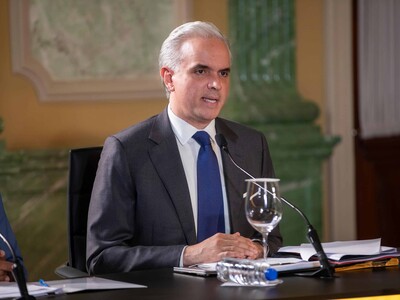
Dominican Republic Education Minister Luis Miguel De Camps has announced proposed reforms to the General Education Law to hire specialized English and technical teachers.
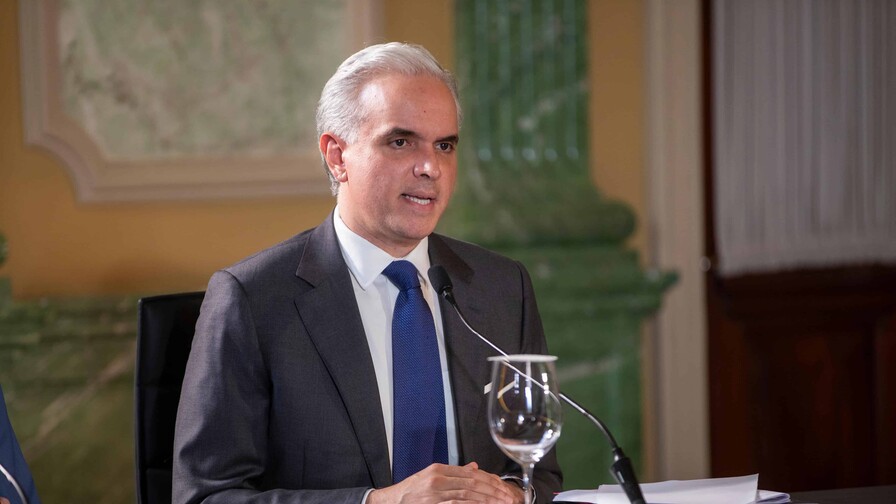
Speaking in Santo Domingo during the debut broadcast of La Agenda Semanal, a new government media platform led by President Luis Abinader, De Camps explained that current rules restrict recruitment.
Under the existing General Education Law, which was enacted in 1997, all public school teachers must hold a bachelor degree in education. De Camps noted that while this requirement fulfilled its original purpose nearly three decades ago, it now creates major hurdles when trying to fill specialized teaching roles.
Specialized teaching shortages
De Camps stated that when entering specific fields such as English instruction or technical training for polytechnics, finding individuals who possess those competencies and are willing to teach becomes difficult.
The minister highlighted the Dominican Republic goal of developing a fully bilingual education system. Achieving this objective requires significantly increasing the number of teachers fluent in English, a task made challenging under current legislative conditions.
A similar situation affects technical and vocational education. De Camps explained that these programs require educators with specialized knowledge tied directly to the evolving demands of the productive sector.
Connecting education and employment
Defending the need for legal updates, De Camps observed that the current law has been in force for nearly 30 years and that the nation faces vastly different priorities today. He emphasized that the reform aims to strengthen links between the school system, employment, and entrepreneurship without discarding its humanist foundation.
The proposed changes stem from a nationwide consultation on the future of education. According to De Camps, more than 71 percent of respondents agreed that the educational system must be transformed to become more relevant to modern needs.
The reform also seeks to bridge different educational tracks. De Camps explained that high school graduates should not have to select between technical training and university education as isolated choices, but that both paths should communicate within a single unified system.
Future technology and next steps
The legislative overhaul forms part of broader Ministry of Education initiatives aimed at bolstering vocational training. These efforts include integrating artificial intelligence and computational thinking into school curricula while aligning polytechnic institutes with labor market requirements.
De Camps announced that the government will soon invite citizens across the country to participate in designing this new school model.