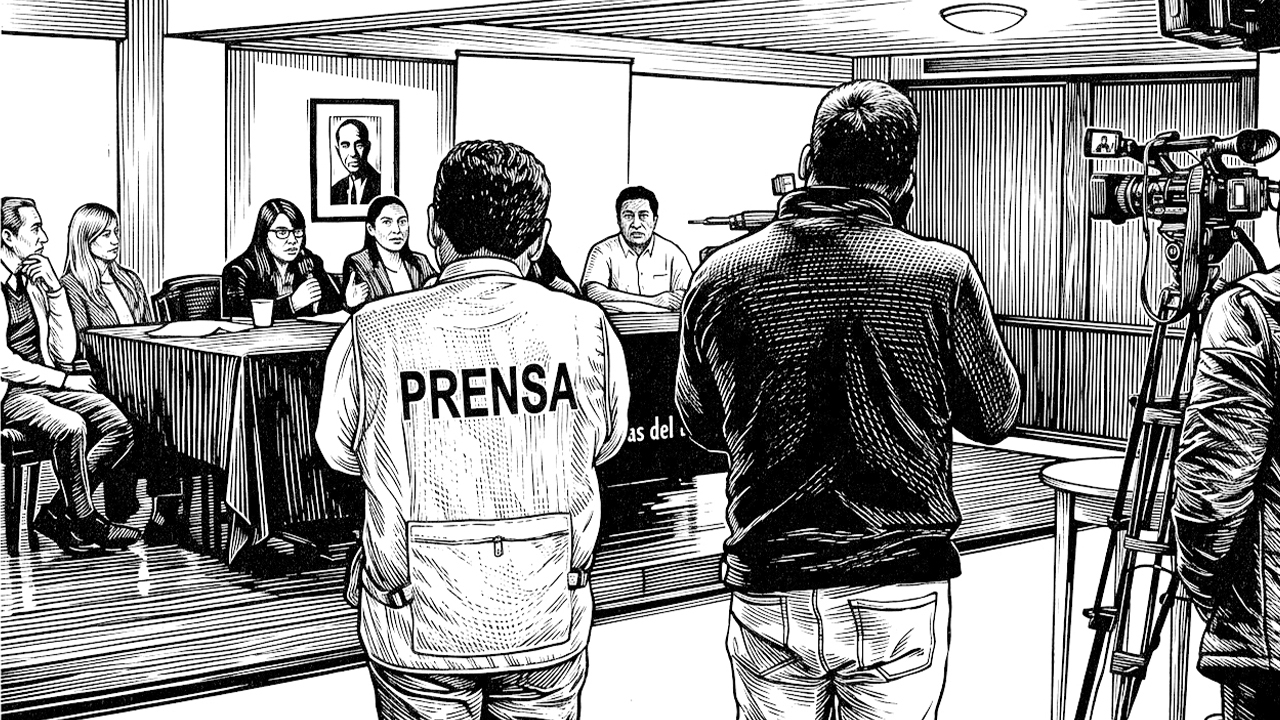
The National Congress of the Dominican Republic will combine 19 expired legislative proposals on violence against women into a single bill called the Mirabal Law.
Congressional leaders and the Ministry of Women are attempting to retrieve usable elements from the archived proposals, update their provisions, and construct a new statutory framework. The combined legislation is intended to encompass four core pillars: prevention, protection, prosecution, and punishment.
The consolidation follows years in which urgent legislative proposals lapsed due to a lack of political will. While those 19 bills remained filed away in parliamentary archives, women across the Caribbean nation suffered murder, beatings, sexual violence, and threats.
Legislative Inaction and Political Responsibility
Because the ruling majority holds control of the National Congress, lawmakers possess the voting strength necessary to enact the bill without procedural delays. Critics note that the ruling party cannot rely on parliamentary obstacles as an excuse for inaction and carries the political responsibility to pass rigorous and effective legislation.
The National Congress, situated in the capital of Santo Domingo, functions as the legislative branch of the Dominican Republic, comprising the Senate and the Chamber of Deputies. The Ministry of Women operates as the executive cabinet body charged with establishing national policy on gender equality, civil rights, and state protection for women.
Legacy of the Mirabal Sisters
The proposed law derives its name from Patria, Minerva, and Maria Teresa Mirabal, three Dominican sisters assassinated in 1960 for their opposition to the dictatorship of Rafael Trujillo. The sisters became enduring global symbols of resistance against oppression, and the anniversary of their deaths was later adopted by the United Nations as the International Day for the Elimination of Violence against Women.
The initiative requires concrete scheduling, political commitment, and floor votes rather than public announcements or formal ceremonies. Commentators warn that failing to pass the legislation would create a bitter irony for a law bearing the Mirabal name, transforming a symbol of resistance into another unfulfilled document.