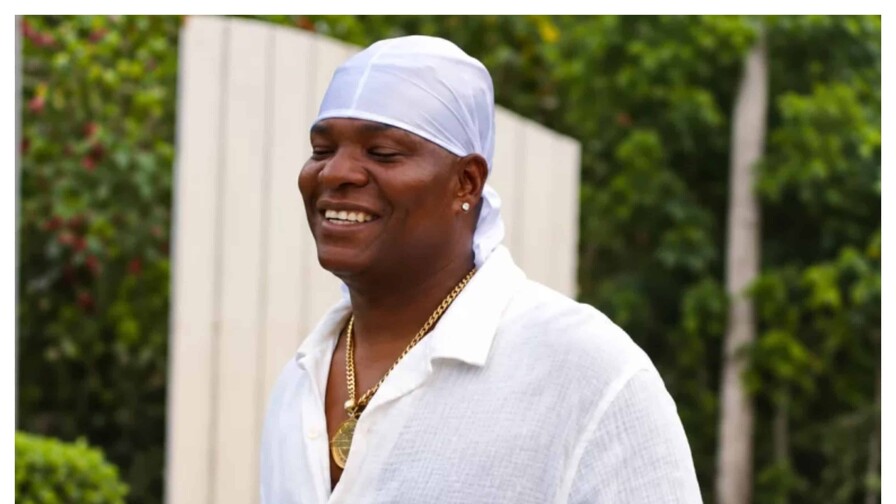
Jesús Alexis Delgado Ortiz, the Dominican urban artist known as Diddy Glow, was killed in a shooting in Boca Chica, a coastal town near Santo Domingo in the Dominican Republic. He was 31.
The same attack killed Jonathan Villanueva, 26, known as Cotuí. Five other people were wounded.
Police said preliminarily that Diddy Glow was not the intended target of the attack. National Police spokesman Diego Pesqueira said the gunfire had been aimed at another person who was at the scene.
Around ten people have been interviewed as part of the investigation, according to police. Investigators are reviewing footage from security cameras at businesses in the area as well as from the National System for Emergency and Security Response, known as 911.
Authorities said they are working, on a preliminary basis, on the theory that the shooting stemmed from old rivalries, and said they are making progress in identifying possible suspects.
From shy beginnings to freestyle battles
Diddy Glow had built his name in freestyle, the improvised rap battles that are a mainstay of Dominican urban music, and was working to expand into dembow, rap and trap. Dembow is a fast-paced dance and music genre that originated in the Dominican Republic and has become one of the country's most popular urban sounds.
In an interview with 829 Music Mundial, he said his career began with shyness. He initially freestyled alone at home before starting to take part in battles around his community about a year later.
He later adopted the nickname La Bestia, an identity he carried into his freestyle battles and one that summed up the attitude he brought to each contest. He cited Pablo Piddy as an inspiration and went on to battle well-known figures in the scene, including Mozart La Para, one of the most prominent artists in Dominican urban music.
In 2018 he was named Freestyler of the Year at the Premios V&P awards as he kept developing his artistic career at home and abroad. His travels took him to cities in the United States including Miami and New York, as well as to Cuba, where he recorded the track "Diddy contra el mundo."
Tributes from the freestyle community
At his funeral, Mozart La Para spoke about Diddy Glow's three-year-old son and said he would stay close to the boy and his family. La Para said that from now until the boy turned 18, he would consider him his own son, describing the commitment he was taking on for the child after his father's death.
Dominican freestyler Éxodo Lirical also reacted with deep sorrow to Diddy Glow's death, describing him as one of the most important figures in Dominican street freestyle of the past decade. Lirical said that with tears in his eyes he had to confirm the news, which he said was affecting everyone. He went on to highlight Diddy Glow's career and legacy within the Dominican freestyle culture.
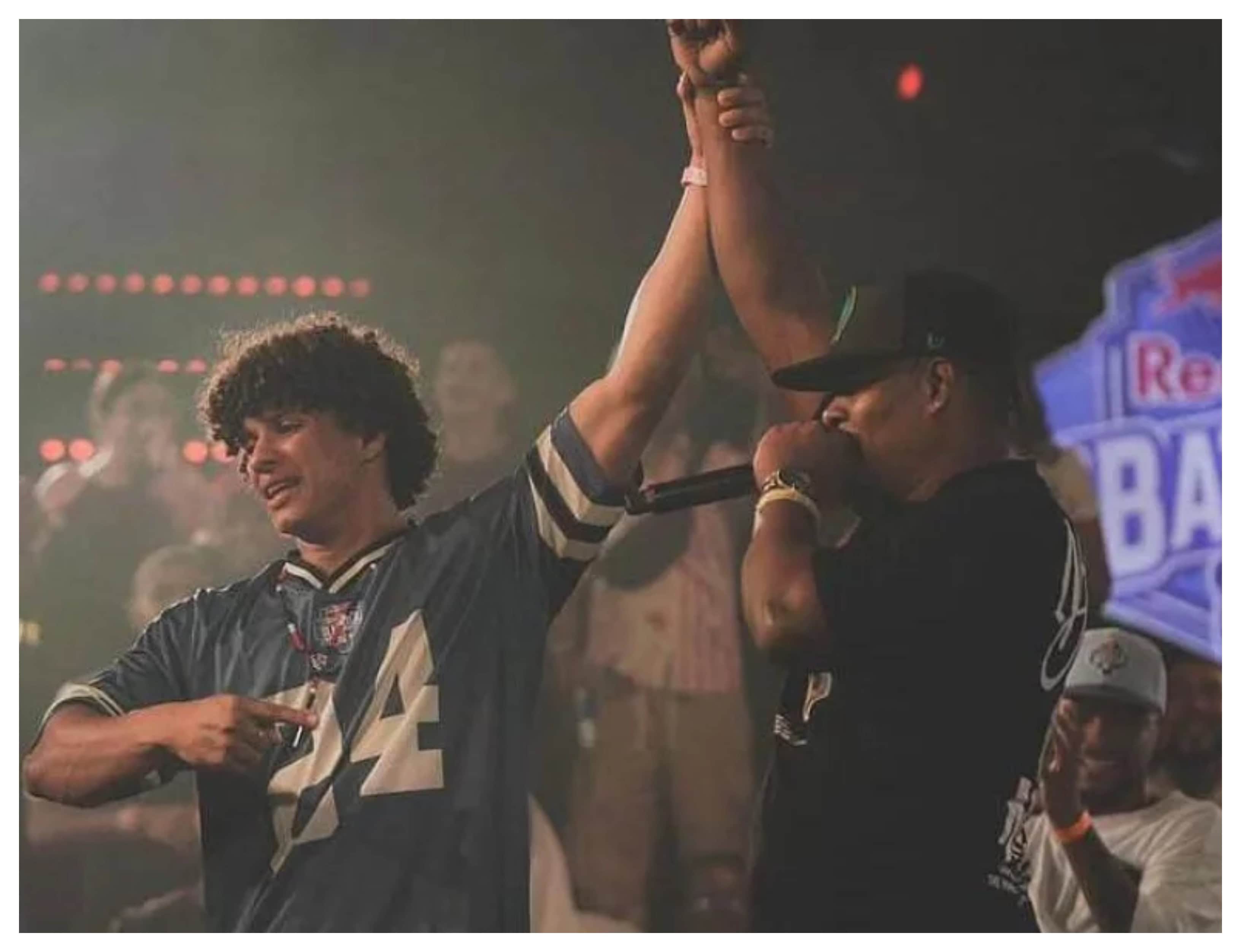
Lirical called Diddy Glow the greatest Dominican improviser on the streets of the last decade, describing him as a companion, friend and gentleman who always had his respect and who always wanted to represent Dominican freestyle abroad and fulfil his dream of making the community prouder of the art form.
Unfinished projects
Diddy Glow still had projects he hoped to complete, among them a wish to record with Lápiz Conciente, one of the artists he admired, and to keep building a career that had started on the streets, in rhymes and improvised battles.