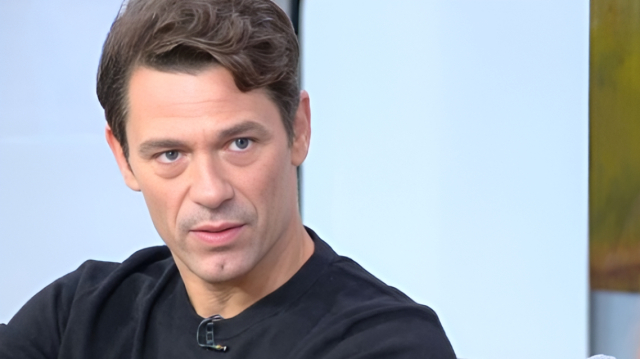
Dead Poets Society, Tom Schulman's classic brought to the screen by Peter Weir in 1989, will receive its first Spanish stage production on 11 September at Teatro La Latina in Madrid. The adaptation is directed by Juan Luis Iborra and stars Juanjo Artero as Professor John Keating, the role immortalised on film by Robin Williams.
The production comes from Pentación Espectáculos and A&A, and marks the first time Schulman's story has been staged in Spain, decades after it became a landmark of 1980s cinema built around the phrase "O Captain! My Captain!"
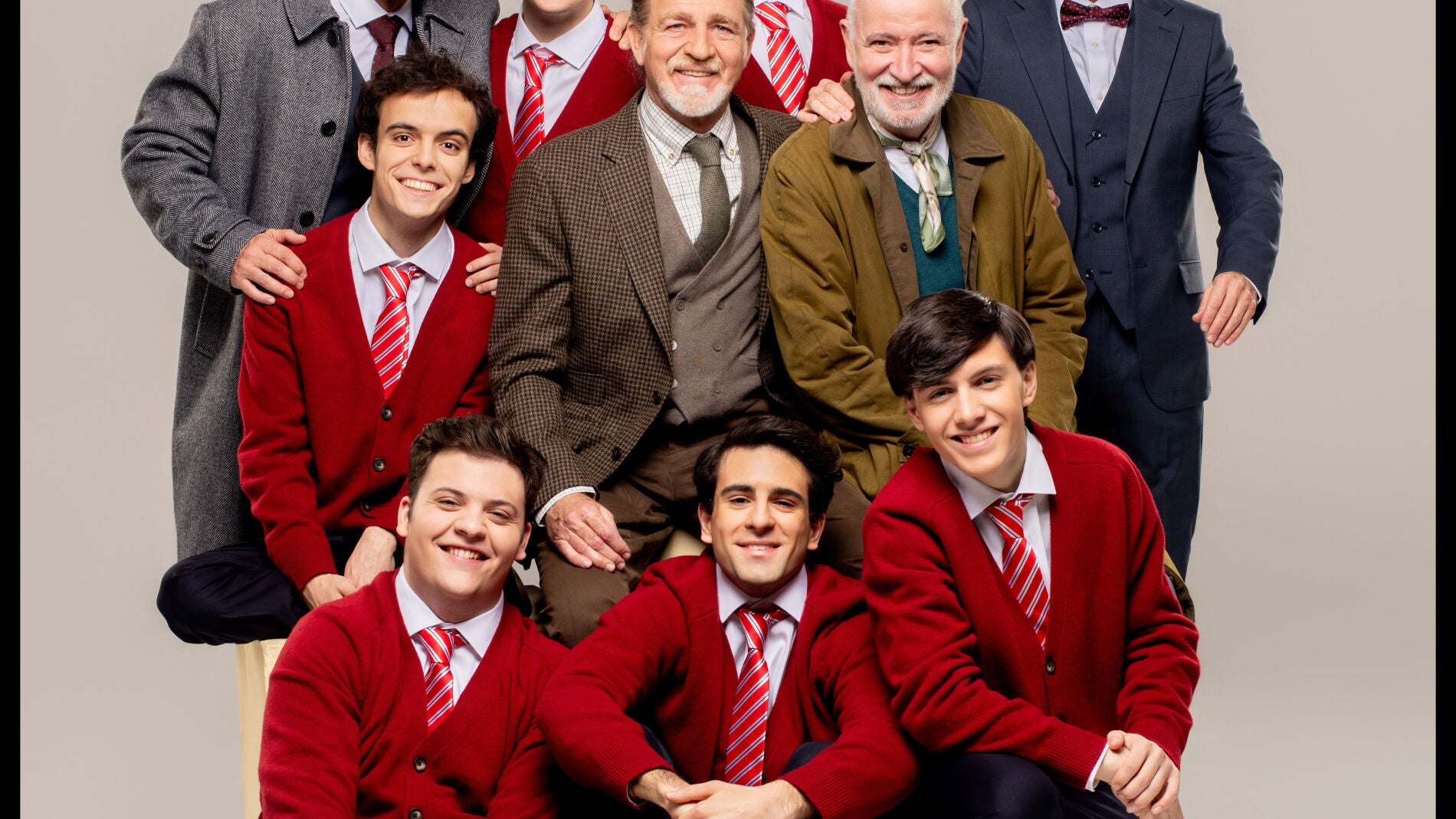
The story is set in a strict all-boys boarding school where tradition, discipline and obedience govern daily life. Everything changes with the arrival of Keating, a literature teacher who takes a different approach, using poetry to push his students to see the world differently, question the rules around them and think for themselves.
From his classroom grows a quiet rebellion. Keating encourages his students to revive an old secret society, the Dead Poets Society, and to find in literature a way to express what they otherwise dare not say. Carpe Diem becomes more than a motto for the students; it becomes an invitation to take charge of their own lives.
Taking on Keating's legacy
Juanjo Artero takes over a role that Robin Williams turned into one of the most iconic teachers in film history, approaching the character through the language of theatre rather than cinema. He is joined by a young cast made up of Manu Rodríguez, Tomy Álvarez, Jacobo Camarena, Gabriel Flores, Lennon Jon Sharp, Álvaro de Paz, Sergio Aguado and Marcos Saneiro.
They play the students of Welton, caught between a teacher who urges them to find their own voice and an institution and families that have already chosen the path they are expected to follow. That clash, between what is expected of the young characters and what they actually want to become, forms one of the production's central conflicts.
Juan Luis Iborra directs the staging with the challenge of bringing to the theatre a story audiences know above all through its film version. The stage format adds something new, however: the closeness between actors and audience and the chance to follow the characters' choices unfold up close as they face decisions that will shape their lives.
A story that hasn't aged
Almost forty years after it reached cinemas, Dead Poets Society still raises the questions that have kept it in the public imagination: how far a family's expectations should go, what happens when education stops teaching people to think, and what it costs to step away from the path others have laid out.
The production, staged by Pentación Espectáculos and A&A, adapts Schulman's original text for the stage without losing sight of those themes. Poetry, friendship, family pressure, the fear of failure and the search for identity all return within the walls of Welton.
It is in that territory that the play keeps finding relevance, since Keating's message is not tied to one era or one education system. His defence of freedom, imagination and critical thinking continues to speak to audiences across generations.
From 11 September, Dead Poets Society opens a new chapter at Teatro La Latina in Madrid, as a story born for the screen finds its own voice on a Spanish stage for the first time.