

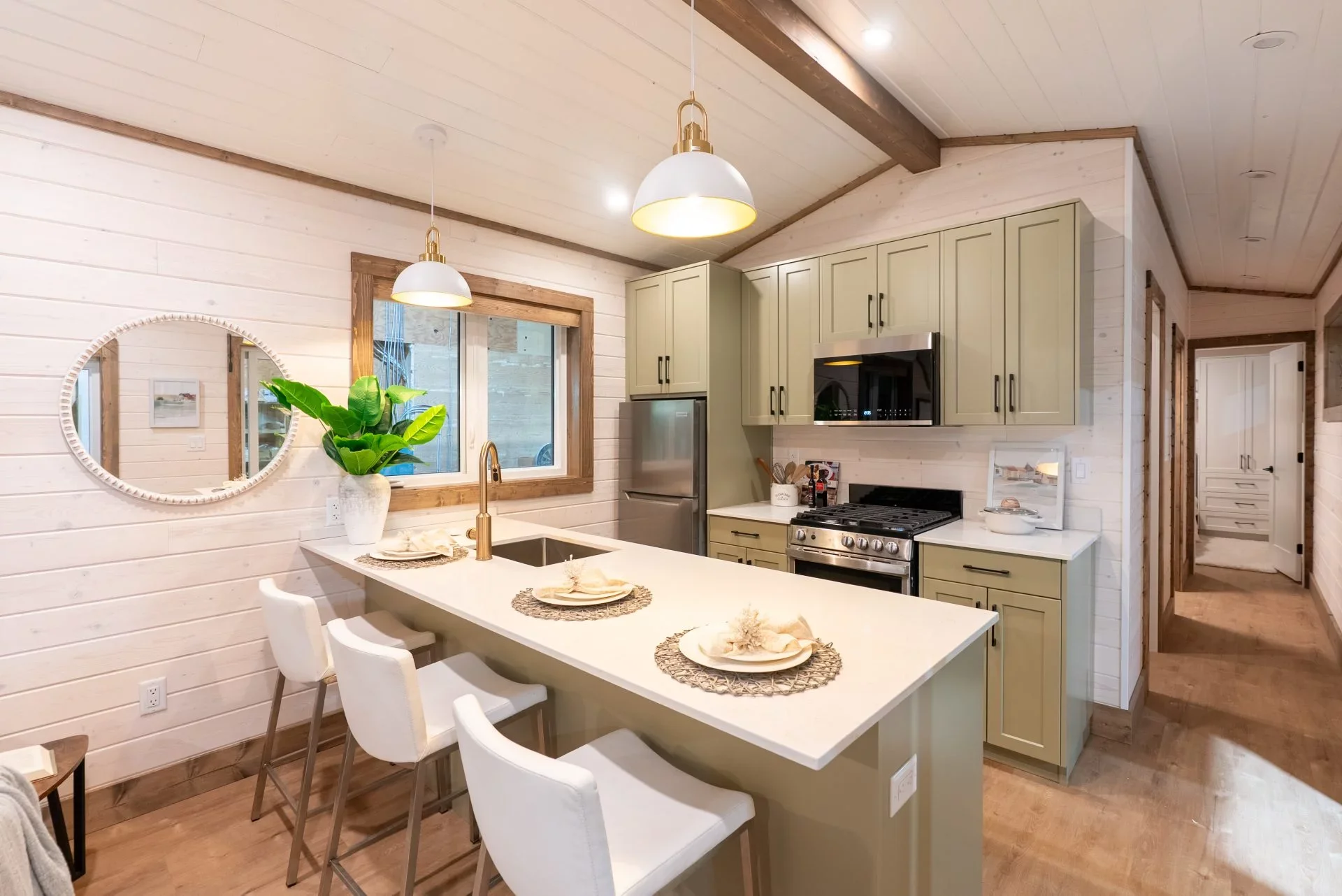
Construction engineer David López has warned homeowners against installing marble countertops in busy kitchens due to porosity, staining and acid sensitivity. López, founder of Estudio López, advised that alternative materials such as quartz, granite, quartzite and sintered stone offer superior durability for surfaces subjected to daily food preparation.
Kitchen countertops endure constant punishment from water, grease, citrus juices, heavy utensils, hot cookware and cleaning products. While marble possesses a distinctive aesthetic where every slab is unique and can be repolished if it loses its luster, its physical composition requires significant upkeep. Signs of wear often appear faster than expected for homeowners seeking an endlessly uniform surface, leading López to advise evaluating how much routine care a household can practically maintain.
Acid Staining and Maintenance Risks
The chemical makeup of marble explains its vulnerability in high-intensity work areas. According to the Natural Stone Institute, a trade organization representing the natural stone sector, calcareous stones consist primarily of calcium carbonate, which reacts strongly to acidic liquids. Spills of everyday kitchen ingredients like lemon juice or vinegar can dull the stone's polished surface and leave matte etch marks, while oil, wine and coffee can penetrate the pores and cause permanent stains if not cleaned immediately.
Although applying a sealant enhances spill resistance, it does not render natural stone entirely waterproof. As reported by Spanish news outlet TN, López described marble as a very beautiful stone but warned that its porous structure makes liquid absorption a persistent risk. He recommended restricting sealed marble to bathrooms, fireplaces or decorative wall features where exposure to food acids is minimal, noting that countertop choices often tie into broader home updates such as integrating cooktops directly into worktops or replacing gas stoves with electric models.
Durability of Quartz and Granite Options
Engineered quartz provides a low-maintenance alternative manufactured from mineral particles bound with synthetic resins. Quartz surfaces feature exceptionally low absorption levels, eliminate the need for periodic sealing, and withstand everyday staining. However, direct heat exposure requires caution. The official maintenance manual for Silestone, a major brand of engineered quartz, advises placing trivets under hot pots and pans to prevent damage from thermal shock, a protective measure that is particularly relevant near air fryers and other heat-generating appliances.
Granite offers a natural alternative as a siliceous stone, a geological classification of rock that tolerates common kitchen acids far better than calcareous marble. López highlighted a practical daily benefit of granite, noting that its mottled pattern effectively conceals minor scratches and surface imperfections over time. Because granite remains a natural rock, liquid absorption and sealing requirements vary from slab to slab, prompting experts to recommend reviewing product datasheets, inspecting finishes, and verifying maintenance schedules with installers prior to purchase.
Selecting the Ideal Countertop Material
Visual coordination between countertops, cabinetry and kitchen appliances plays a major role in home design, but long-term durability depends on matching materials to lifestyle. López also pointed to quartzite, a hard metamorphic rock, and sintered stone, an engineered material manufactured under extreme heat and pressure, as resilient choices for high-traffic kitchens.
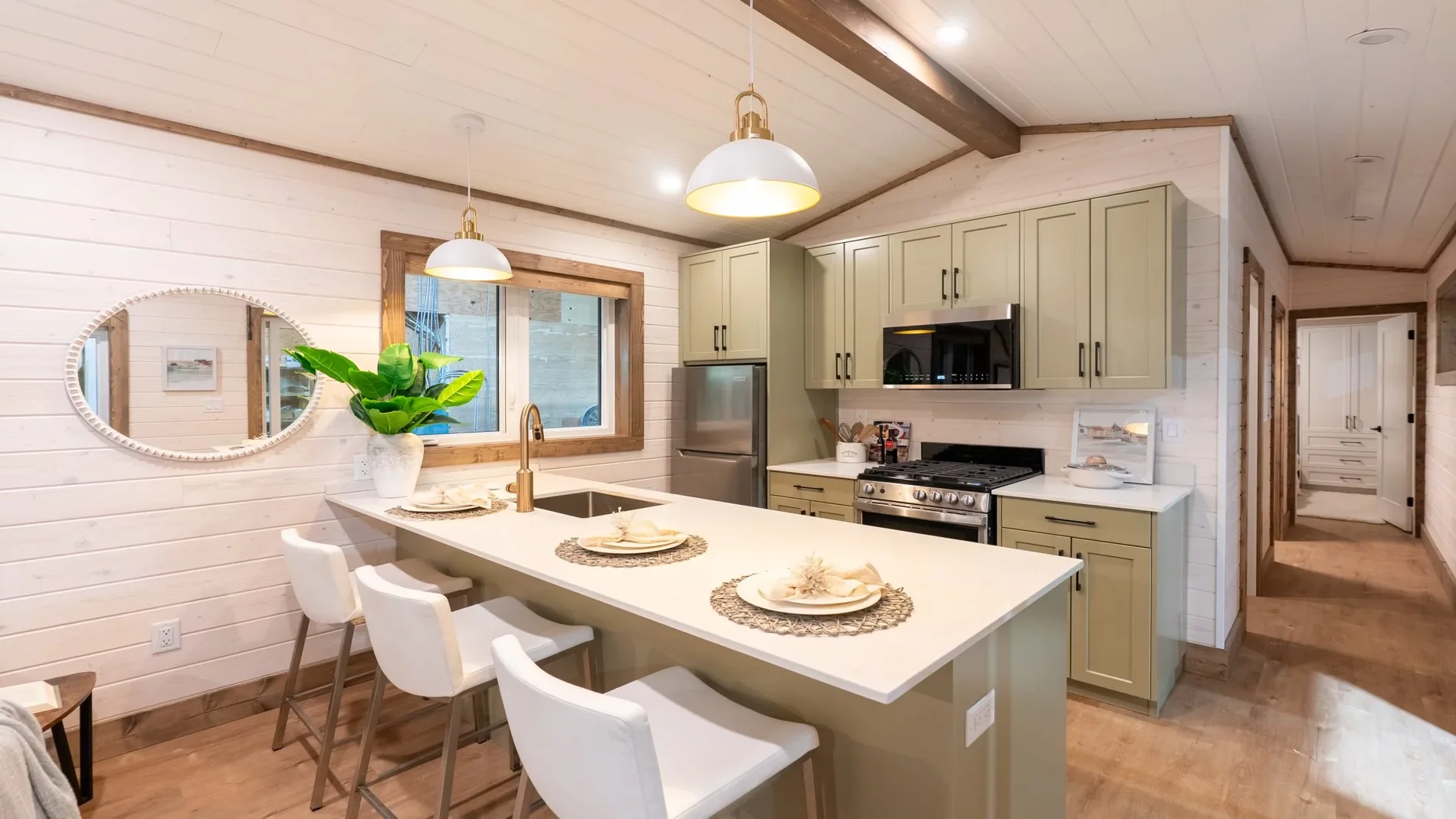
There is no universal countertop solution for every home. Factors such as cooking frequency, household budget, tolerance for natural surface aging, and cleaning habits determine the most suitable option. Experts emphasize that viewing a small sample in a showroom reveals very little about real-world performance, whereas technical datasheets and official care instructions provide the essential information needed before committing to a renovation.



