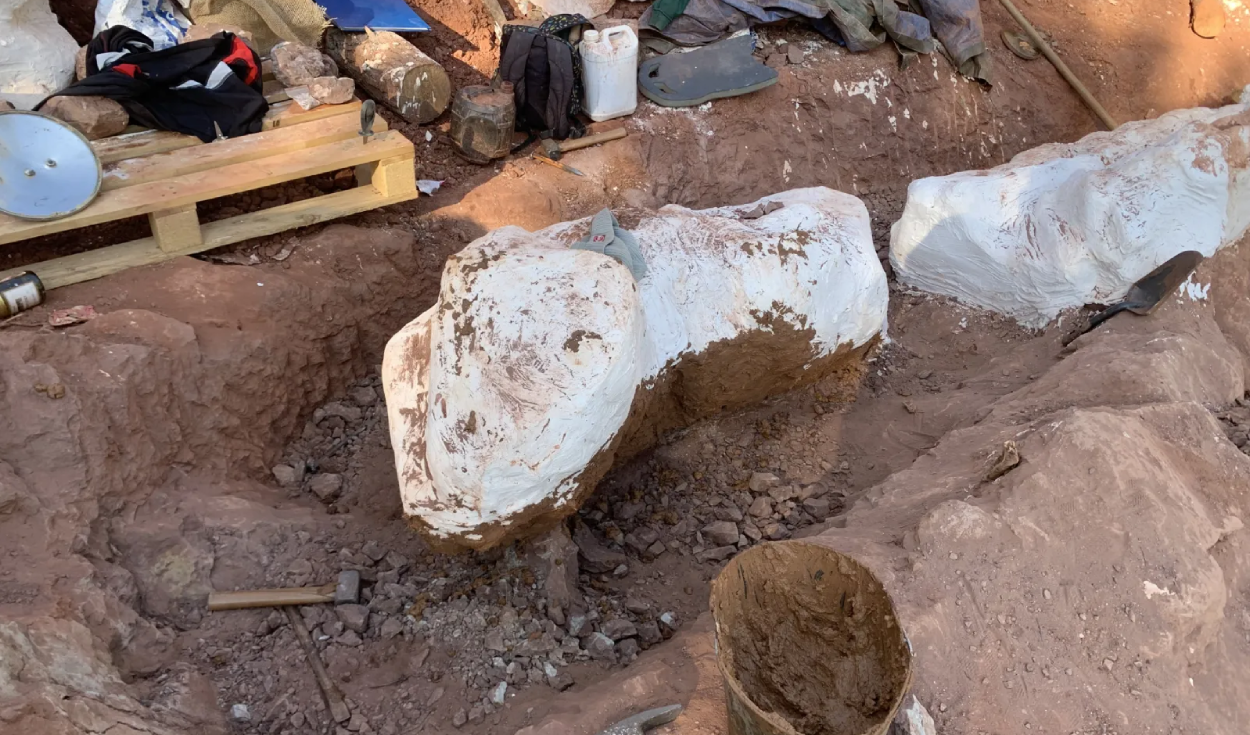
Damien Boschetto, a 25-year-old amateur paleontologist, discovered a nearly complete 70-million-year-old titanosaur skeleton while walking his dog near Montouliers in Hérault, France.
The rare fossil preserved approximately 70 percent of its bones, with several anatomical parts still connected together as they were when the creature was alive.
The initial discovery was made in May 2022, but researchers and local authorities kept the site secret for two years to protect it from potential theft, vandalism, and damage.
Landslide uncovers ancient remains
The fossil first came to light after a cliffside landslide exposed bone fragments along a regular walking path. Boschetto told France Bleu that a landslide at the edge of the cliff revealed exposed bones belonging to several skeletons while he was walking his dog.
Following Boschetto's report, researchers from the Cultural, Archaeological and Paleontological Association, known as ACAP, based in the nearby town of Cruzy, launched formal excavations at the site.
Boschetto explained that excavators initially recovered loose, fallen bones before realizing several days into the dig that many of the skeletal elements remained articulated in their original anatomical positions.
Two-year excavation and crane transport
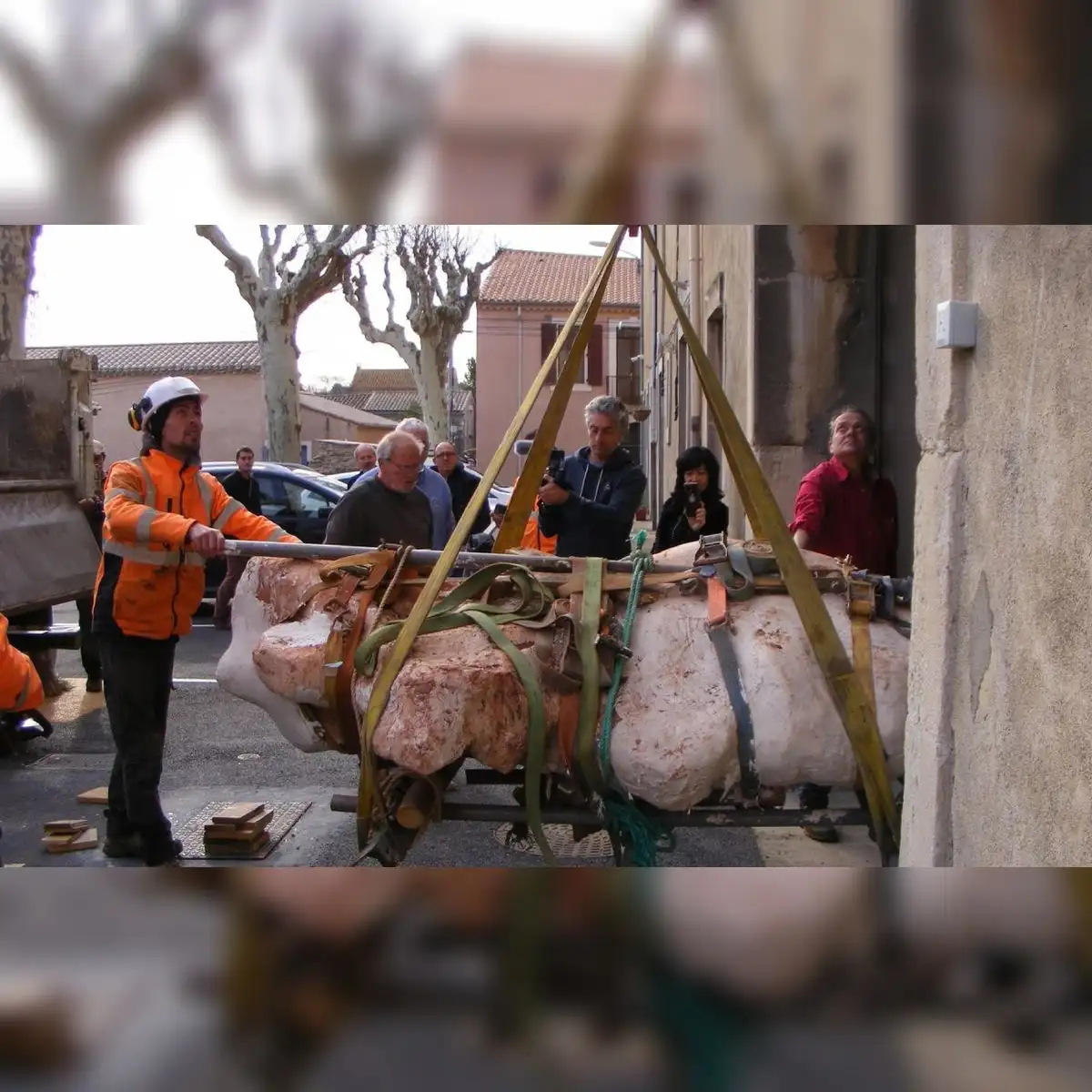
The extraction process extended over two years and relied on volunteer labor from ACAP alongside several 10-day excavation campaigns involving young scientists and university students.
Because of their massive size and weight, the fossilized bones required specialized heavy equipment to extract. Workers had to lift and transport the largest pieces using a crane.
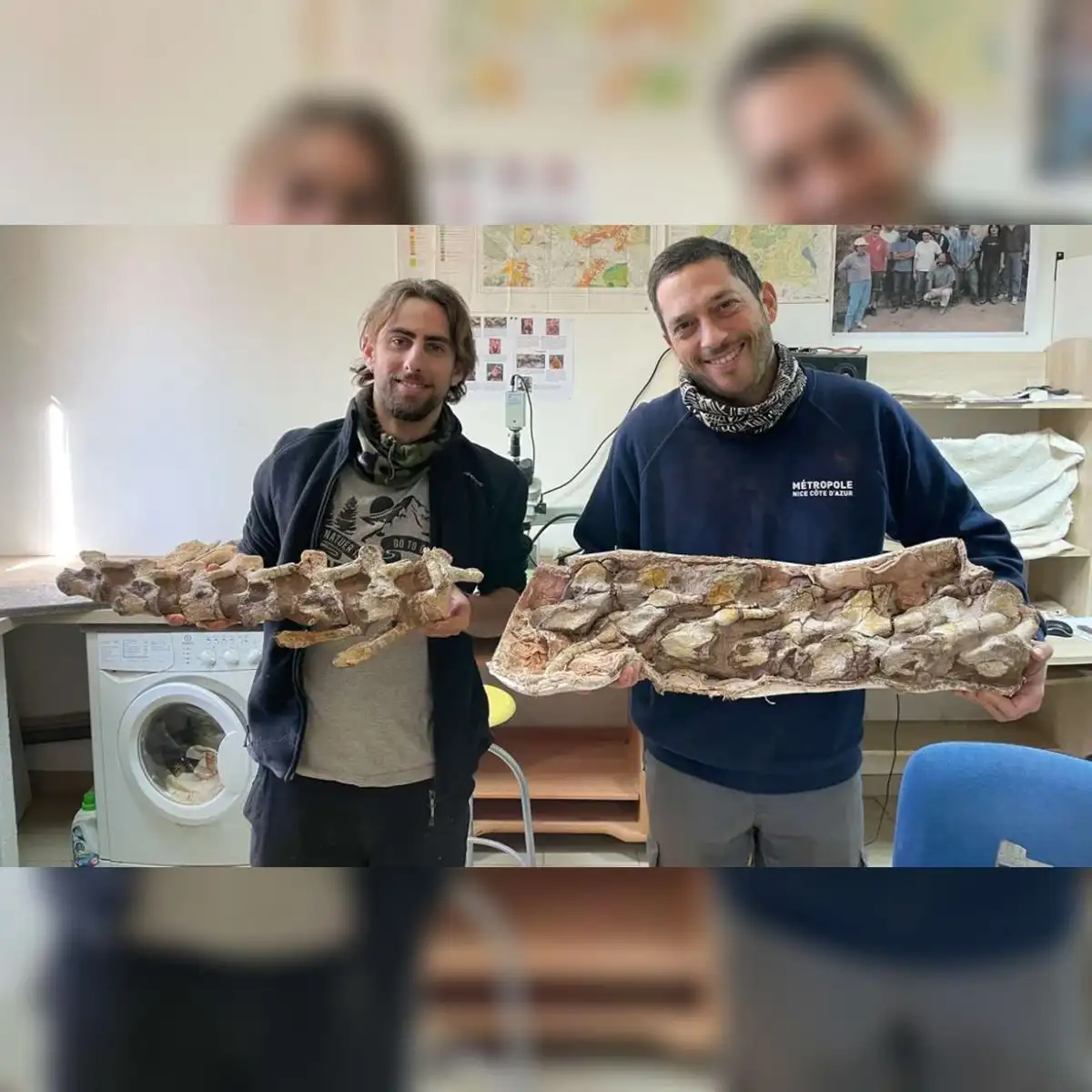
The most complete specimen measures approximately 30 feet, or around nine metres, in length. The fossil has now been transferred to the Cruzy museum, where scientific preparation, inventorying, and analysis will continue.
Prehistoric giants of the Cretaceous
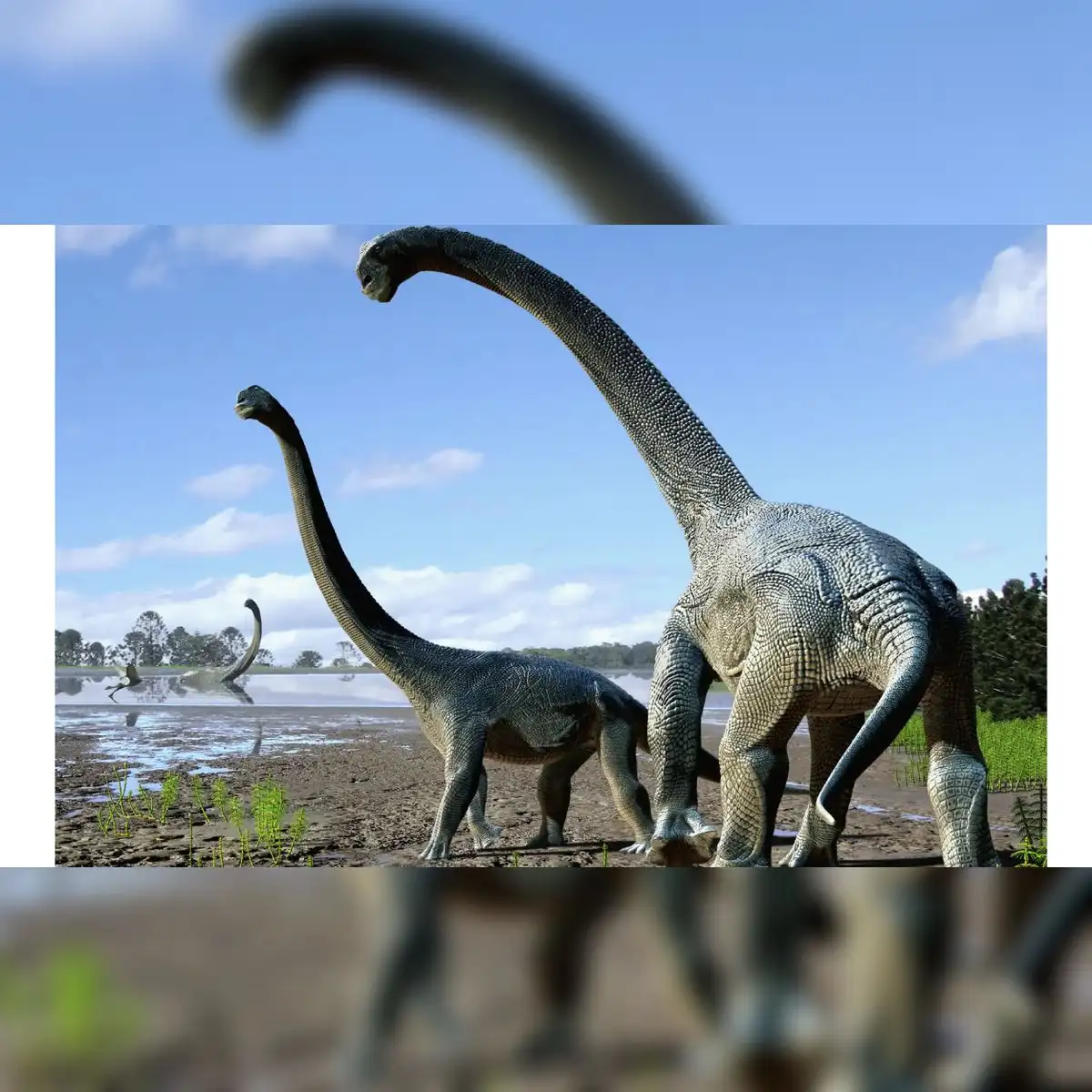
Titanosaurs were a subgroup of sauropods, the clade of herbivorous dinosaurs characterized by their exceptionally long necks, long tails, small heads, and thick, pillar-like limbs. As plant-eaters, sauropods included the largest land animals in Earth's history, spanning species that ranged from moderate sizes to massive giants over 100 feet long.
The French specimen lived during the Late Cretaceous period, just a few million years before the mass extinction event roughly 66 million years ago that wiped out all non-avian dinosaurs. During this era, much of Western Europe consisted of an island archipelago, where various dinosaur populations thrived in tropical to subtropical environments.
Finding a dinosaur skeleton with connected bones is a rare occurrence in France and across Europe. After a dinosaur died, scavenger activity, river currents, and natural weathering typically scattered the bones before sediment buried them, making articulated skeletons exceptional scientific finds.
An exceptional fossil deposit in southern France
The newly identified fossil deposit is situated near Cruzy, a commune in the Hérault department of the Occitanie region in southern France. The region is widely recognized by scientists for its rich deposits of Upper Cretaceous fossils, which have yielded dinosaur eggs, ancient plant remains, and prehistoric reptile fossils.
Boschetto noted that research conducted over the past 28 years in the surrounding area has helped compile one of the most important collections of Cretaceous dinosaurs in France. The ongoing scientific investigations involve researchers from the French National Centre for Scientific Research, known as CNRS, as well as multiple French universities.
More than 25 new species have been identified in the region over nearly three decades of fieldwork. Boschetto told Newsweek that the new collection of fossils represents a very rare and exceptional discovery in France and Europe due to the high degree of anatomical connection preserved at the Montouliers site.
Museum preservation and career shift
The Cruzy museum will store the fossilized titanosaur material for ongoing cleaning, stabilization, inventorying, research, and eventual public exhibition.
Following his landmark discovery, Boschetto left his job in the energy sector. He plans to enroll in a master's degree program in paleontology to build a professional career in the field.