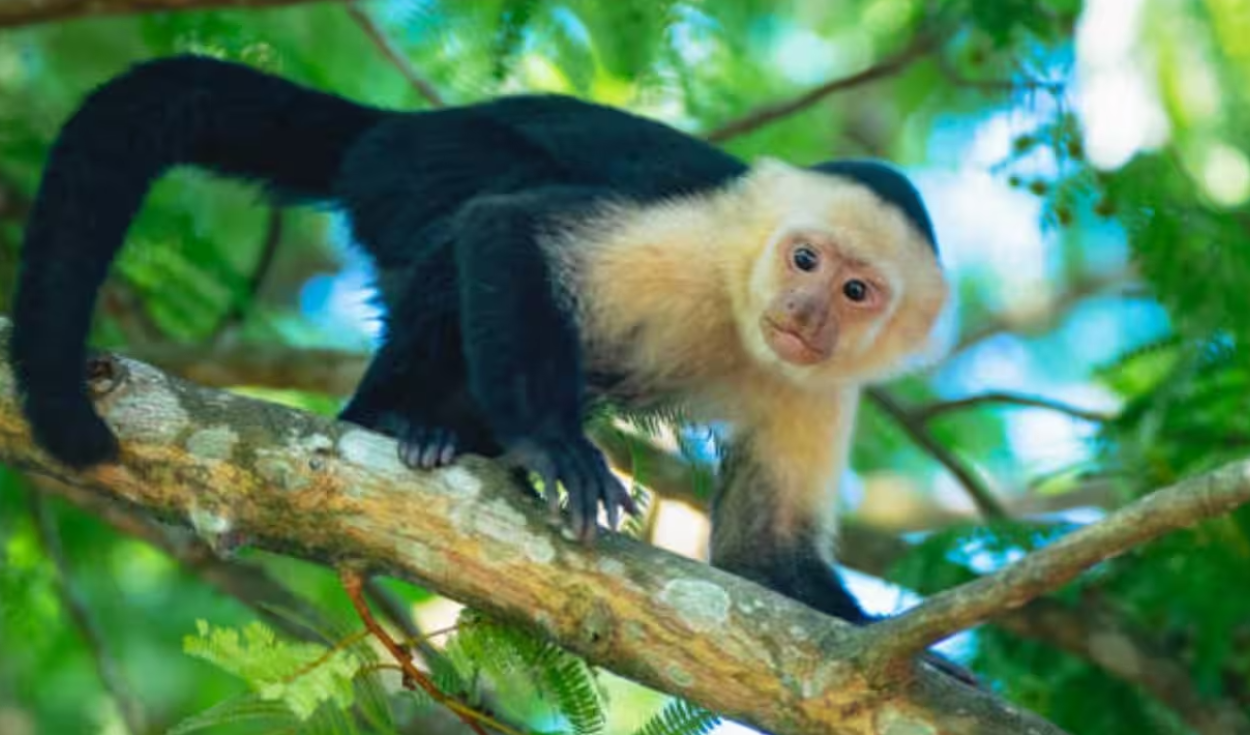
Scientists from Emory University and the Georgia Institute of Technology installed an artificial intelligence touchscreen system in a Costa Rican forest reserve, where 16 wild capuchin monkeys learned to operate it to receive banana rewards. The research was published in the Journal of Primatology.
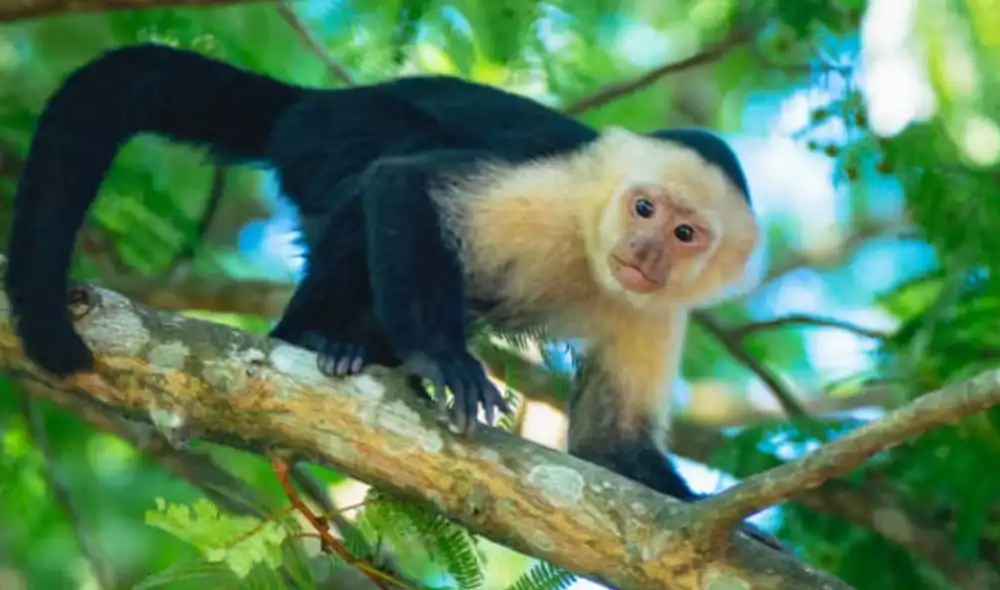
The system, named CapuchinAI, was set up in the Taboga Forest Reserve to study wild white-faced capuchin monkeys in their natural habitat. It combines facial recognition software, a touchscreen interface, a small computer, and an automatic food dispenser. Capuchin monkeys are playful, curious, and intelligent animals that live in family groups of 15 to 20.
Researchers said CapuchinAI offers scientific staff an innovative way to examine animal intelligence, learning, memory, and decision-making in the wild. The hardware is designed for outdoor operation and can run for about eight hours on a lightweight battery. Scientists noted that the technology could allow controlled cognitive experiments with wild primates on a much larger scale in the future.
Touchscreen learning in the wild
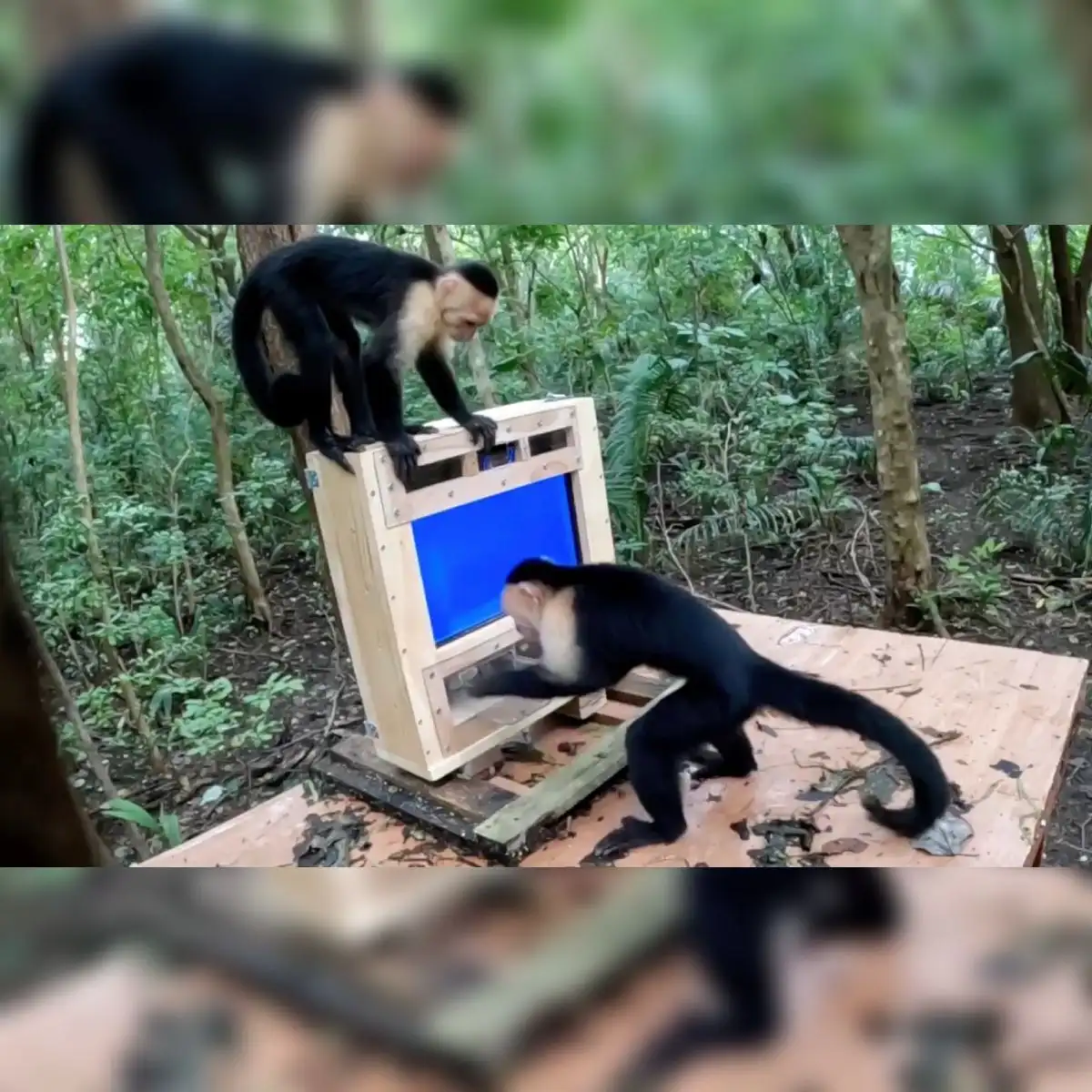
The initial challenge for researchers was getting the monkeys to understand how the touchscreen worked and what it was for. The team placed a blue square on the screen that released a piece of dehydrated banana whenever a monkey touched it. During the first two days of testing, the capuchins showed little interest in the device.
Interest shifted when Trompudo, a large male capuchin whose name means big snout, approached the apparatus. Researcher Federico Sánchez Vargas recalled that Trompudo climbed onto the box, hit the rear section, and eventually struck the touchscreen, which released a banana slice.
Sánchez Vargas said it was almost like seeing the monkey realize that touching the screen was what he needed to do. He said it was amazing to watch an individual learn so quickly, adding that other capuchins soon began approaching the machine.
Facial recognition technology
The facial recognition system in CapuchinAI was initially trained using thousands of still images and videos of six wild capuchin monkeys to distinguish each individual. During field tests, the model identified those six monkeys with 97 percent accuracy across still photos, video clips, and live recordings. Computer vision also allows the model to transfer tests from one identified capuchin monkey to another so multiple individuals can participate in a testing session.
Researchers encountered an obstacle because the study site contains approximately 100 capuchin monkeys, and the team lacked sufficient high-quality visual material for every individual. Instead of requiring the AI to identify specific monkeys initially, researchers trained the system to recognize whether an approaching animal was a capuchin.
When a monkey approaches the touchscreen, an integrated webcam records the animal. Researchers use these new recordings to expand and improve the facial recognition database.