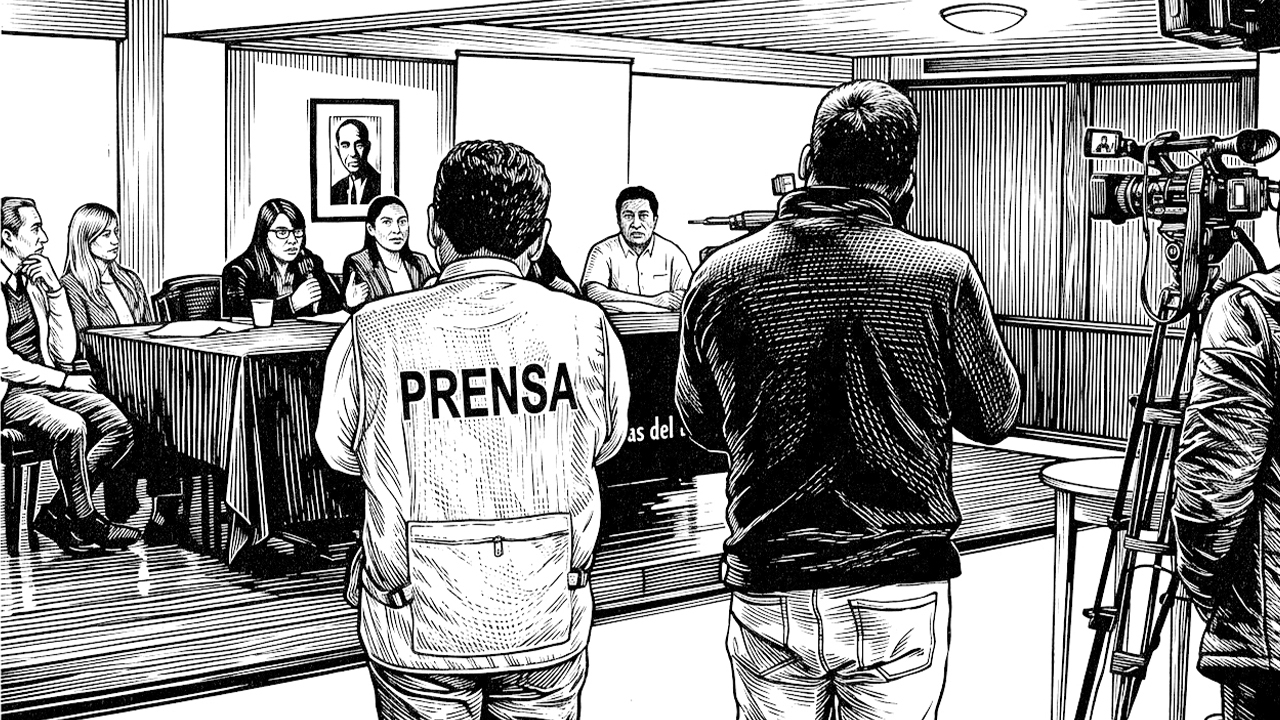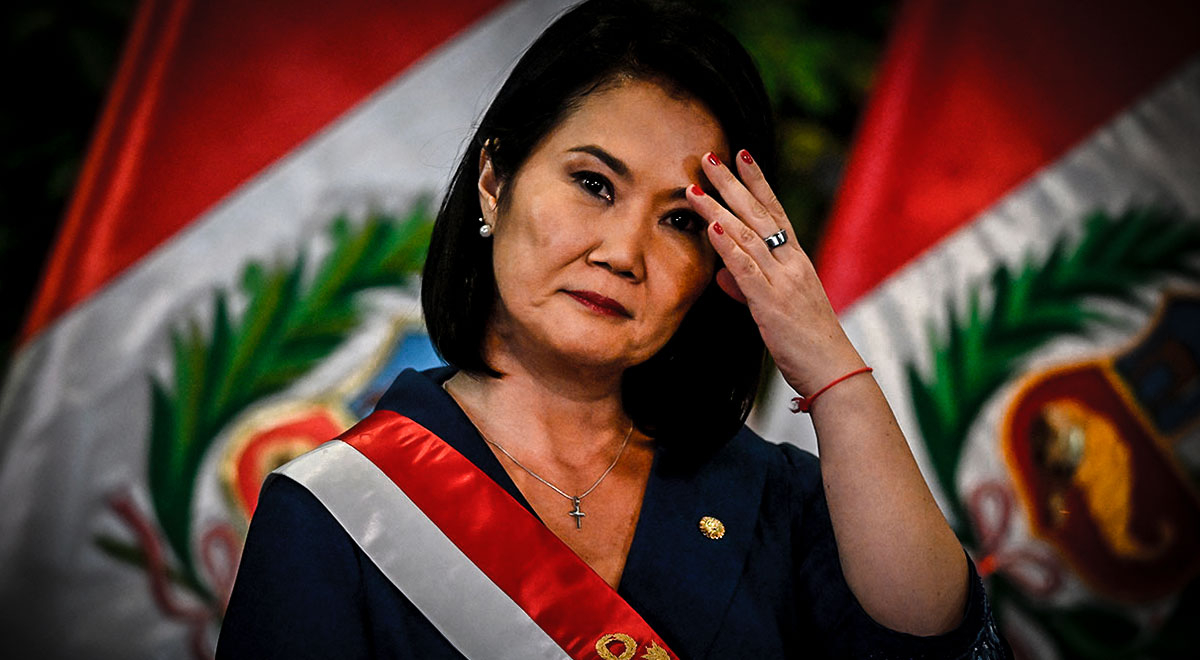
Former Peruvian education minister Patricia Correa Arangoitia has warned that state schooling in Condorcanqui province is failing indigenous Awajún and Wampis girls amid an epidemic of sexual violence. Writing in an article published on Tuesday, Correa said that education cannot exist without personal well-being and called for an urgent reform of Amazonian schooling.
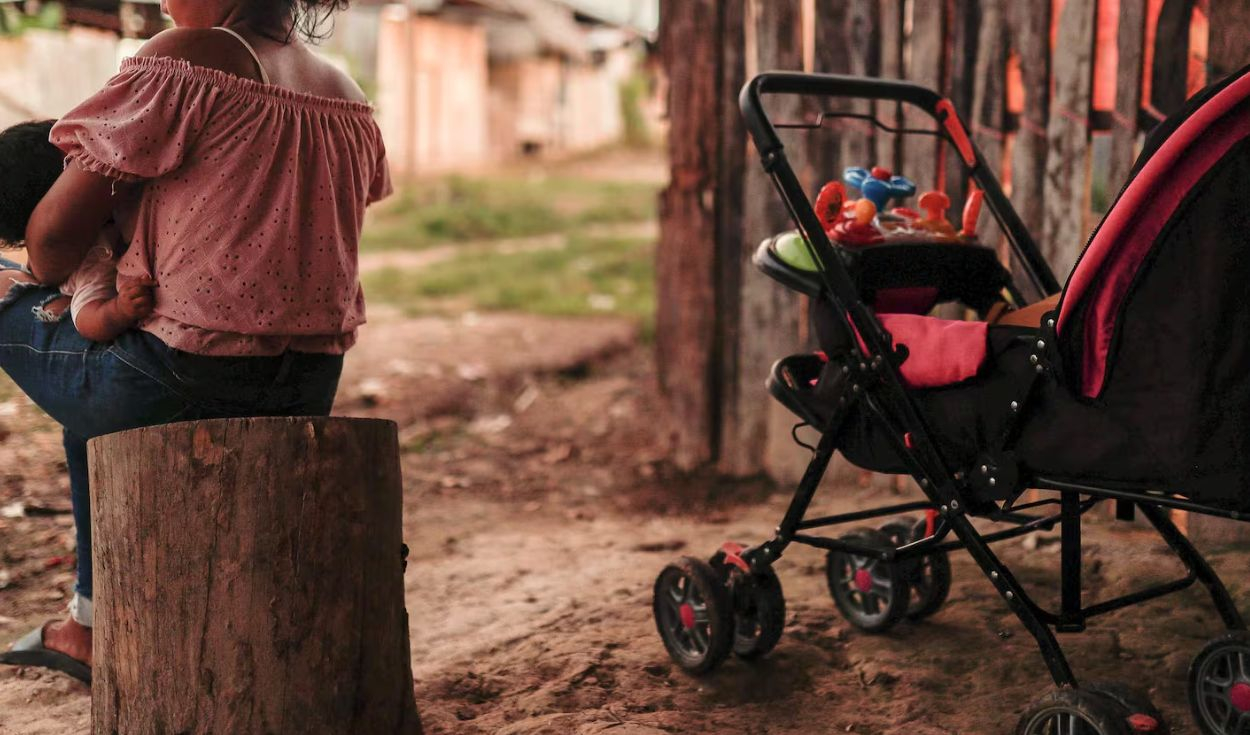
According to Correa, sexual violence in the region predominantly affects teenage girls, with 53 percent of all reported sexual violence occurring among young people aged between 12 and 17. She said the figures demonstrate a profound divide between a central government education system that ignores student safety and a growing crisis of abuse in northern Peru.
Correa argued that public policies have failed to resolve structural problems across the Amazon region. She stated that current educational services were designed more than 1,000 kilometers away in Lima without input from local communities, leaving schools disconnected from the territory and supported by broken protection systems that exclude indigenous organizations.
Regional Context and Disconnect
Condorcanqui is a remote province in the Amazonas Region of northern Peru, bordered by Ecuador and home to dense rainforest terrain. The region is largely inhabited by the Awajún and Wampis indigenous peoples, who have long relied on ancestral lands and traditional community structures. Transport to the capital of Lima requires days of river and overland travel, leaving local villages isolated from central government administrative bodies.
The former minister highlighted several critical gaps created by centralized planning. She said the current state model fails to guarantee initial teacher training in the Awajún and Wampis native languages, lacks ongoing teacher support, fails to deliver appropriate school infrastructure, and offers no Amazonian pedagogical proposal linked to local economic and territorial development.
Intercultural Bilingual Education
Peru established its Intercultural Bilingual Education policy to provide indigenous children with schooling in their native languages alongside Spanish, while incorporating local cultural knowledge into the national curriculum. Correa, an educator who previously served as Peru's Minister of Education, wrote the commentary on behalf of Las Tejedoras, a collective of women leaders from diverse political backgrounds seeking democratic reforms and institutional transparency in Peru.
Correa stated that state intervention is insufficient if official agencies operate without local dialogue. She urged the government to build educational programs in direct consultation with community leaders, emphasizing that local indigenous knowledge must serve as the foundation for state policy so that education, public well-being, and territorial management operate together.
Rebuilding Community Spaces
To overcome the crisis, Correa called for indigenous organizations, students, and local communities to take the lead in redesigning Amazonian education. She argued that learning must extend beyond classroom walls, transforming whole communities into safe spaces where children can study science, technology, literature, and the arts.
She concluded that strengthening Intercultural Bilingual Education requires combining classroom teaching with territorial justice, healthcare, and comprehensive protection strategies for children. Correa said the ultimate challenge for Condorcanqui is establishing a renewed educational model based on local territorial wealth, allowing young people to pursue their life goals free from violence.