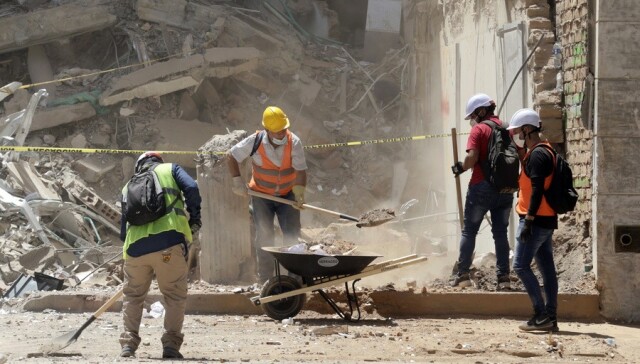
The government of Colombia has declared a 30-day state of emergency across 15 departments after the death toll from a magnitude 7.4 earthquake on August 10 rose to 319.
More than 4,500 people have been injured and 260 remain missing following the disaster in western Colombia, according to the National Unit for Disaster Risk Management (UNGRD).
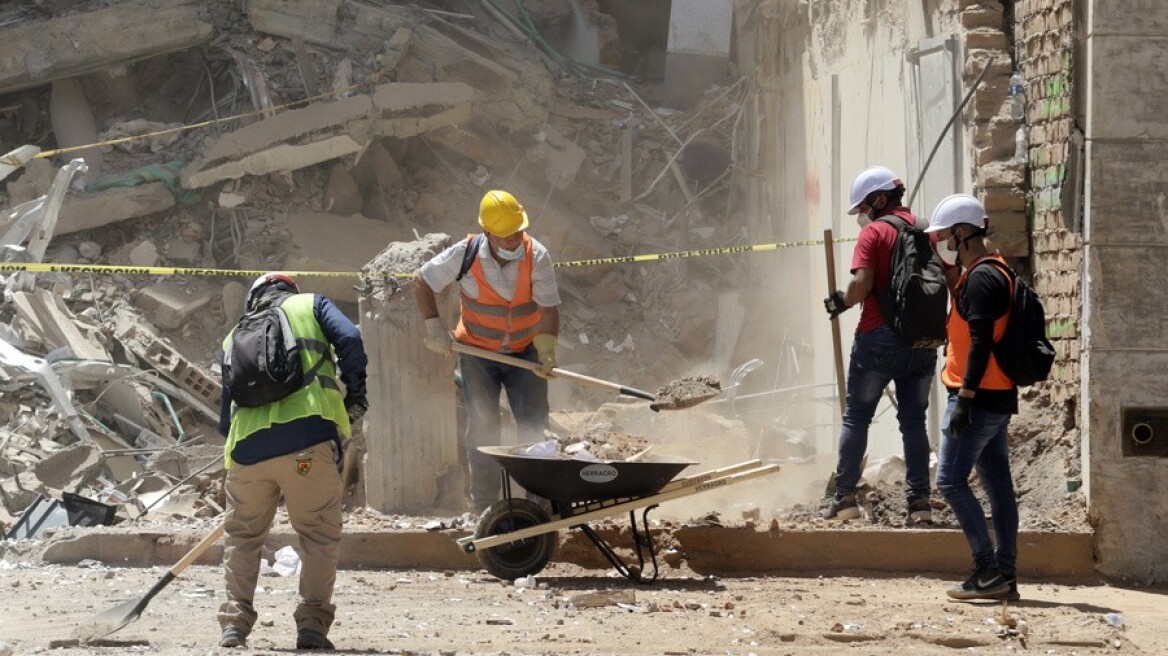
The emergency declaration will allow authorities to mobilize financial resources quickly for immediate relief and reconstruction in affected areas.
Colombian President Abelardo de la Espriella, who took office two weeks ago, stated on X that the scale of the tragedy required simultaneous action across several fronts. He said emergency crews must continue searching for the missing, care for the injured and affected residents, repair critical infrastructure, and begin immediate planning for regional reconstruction.
Impact across western departments
The magnitude 7.4 earthquake struck a broad area of western Colombia. The departments of Valle del Cauca, Chocó, and Risaralda suffered the heaviest damage.
According to the latest damage assessments from the UNGRD, the earthquake flattened 361 buildings, destroyed 31,461 homes, and inflicted significant damage on another 163,492 structures.
Valle del Cauca, Chocó, and Risaralda are administrative departments located in the western region of Colombia. The UNGRD is Colombia's national disaster management agency responsible for directing relief operations and emergency response during natural catastrophes.
Reconstruction costs and recovery plans
Reconstruction costs across the affected regions are estimated at more than 11 billion euros, according to a report by the Colombian newspaper El Tiempo.
A state of emergency in Colombia enables the executive branch to fast-track emergency funding, bypass routine procurement steps, and deploy resources directly to municipal authorities. El Tiempo is a major national daily newspaper based in the capital city of Bogota.
Search and rescue operations remain active across all 15 emergency zones as emergency teams continue working to assist survivors and restore basic services.