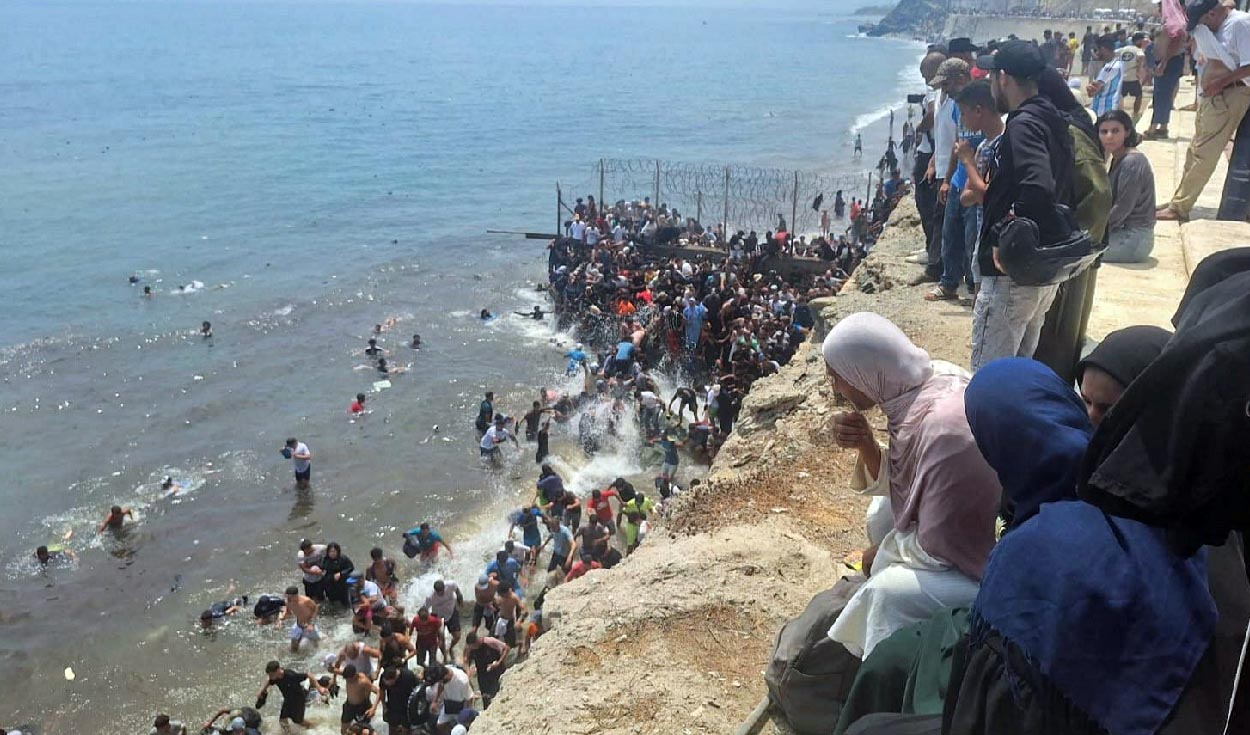
Most of the 60,000 undocumented migrants who entered the Spanish enclave of Ceuta have already returned to Morocco, according to columnist Mirko Lauer, writing in an opinion piece. He said the rapid retreat looked as if it were following instructions, even as the consequences of what he called a lightning invasion of the African enclave continue to unfold.
Lauer wrote that the European Union has begun a cycle of summit meetings expected to announce tougher border and migration measures. He said one effect for Peruvians could be Spain's exclusion from the Schengen agreement, the main gateway for Latin American tourists into the EU, noting that Italy, also overwhelmed by mass tourism, has already requested such an exclusion.
Uncertainty over what happened in Ceuta
Lauer said it remains unclear what caused the events between Rabat and Ceuta. He said some observers see a move by the Moroccan government, others blame migrant-trafficking mafias, and others point to broader migratory pressure. He described the swift return of thousands of swimmers as adding a mysterious element to the incident.
According to Lauer, the episode came after Spanish Prime Minister Pedro Sanchez announced a historic regularization policy for half a million undocumented immigrants, a move he said has irritated several right-wing European governments, including that of Italian Prime Minister Giorgia Meloni, whose country also faces pressure from African migration.
Tourism and Trump's interest
Lauer said U.S. President Donald Trump would like to see the diplomatic tensions escalate, but suggested the region's tense wider atmosphere will likely calm the Mediterranean situation. He added that a Spain outside Schengen, combined with wildfires and high fuel prices in peak season, could redirect lucrative tourism, possibly benefiting South America.
Lauer wrote that trafficking of people from poor countries toward European prosperity continues, with images of impoverished families on or in the water becoming more frequent and less shocking, as Europe's governing right prepares for a new cycle of expulsions once Brussels reaches an agreement.