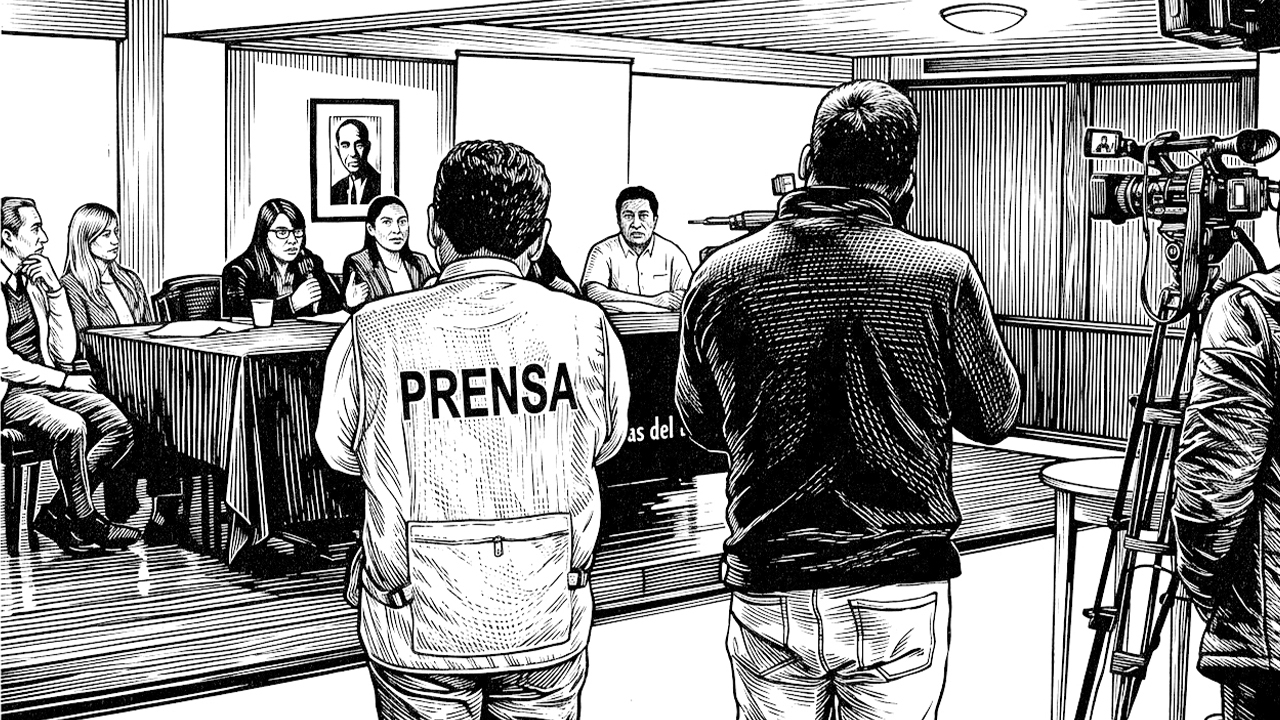
Spanish Health Minister Mónica García faced angry crowd protests upon arriving in Ceuta as the autonomous city struggled with an escalating migration crisis.
Demonstrators greeted the minister with boos and chants demanding her resignation, calling her a traitor and a scoundrel following her three week absence from the public response.
García rejected claims that the enclave was experiencing a health emergency. She stated that the current situation represents a moderate epidemiological risk for incoming migrants and a low risk for local residents.
Doctor warnings and hospital strain
Local healthcare workers disputed the minister's assessment, reporting severe shortages of medical staff and essential resources across the city.
Doctors reported that hospital emergency departments were overwhelmed and operating under extraordinary pressure. Medical staff also highlighted growing sanitation issues and infectious disease risks that require active intervention rather than simple monitoring.
Government response and minor arrivals
Official figures released by Spain's Ministry of the Interior showed that authorities have identified nearly 1,900 unaccompanied minors in Ceuta. Thousands of displaced people remain in the city as local facilities struggle to manage the surge.
In response to the growing numbers, Spain's Minister for Youth and Children, Sira Rego, announced that her department would send a specialized team to assist local officials with managing the unaccompanied children.
Residents and local officials criticized Prime Minister Pedro Sánchez and the central government in Moncloa for delayed action, accusing ministers of offering meeting promises and temporary work teams instead of immediate concrete solutions.
Strategic location on the North African coast
Ceuta is a Spanish autonomous city situated on the North African coastline, sharing a fortified land border with Morocco. As one of only two European Union land borders in Africa, the enclave regularly experiences significant migration surges.
Local authorities continue to request comprehensive state support to manage healthcare logistics, border control, and humanitarian care as thousands of arrivals remain housed within the city.