


Researchers at Brown University have discovered that human pupils dilate during surprise because the brain triggers a reset to boost learning.
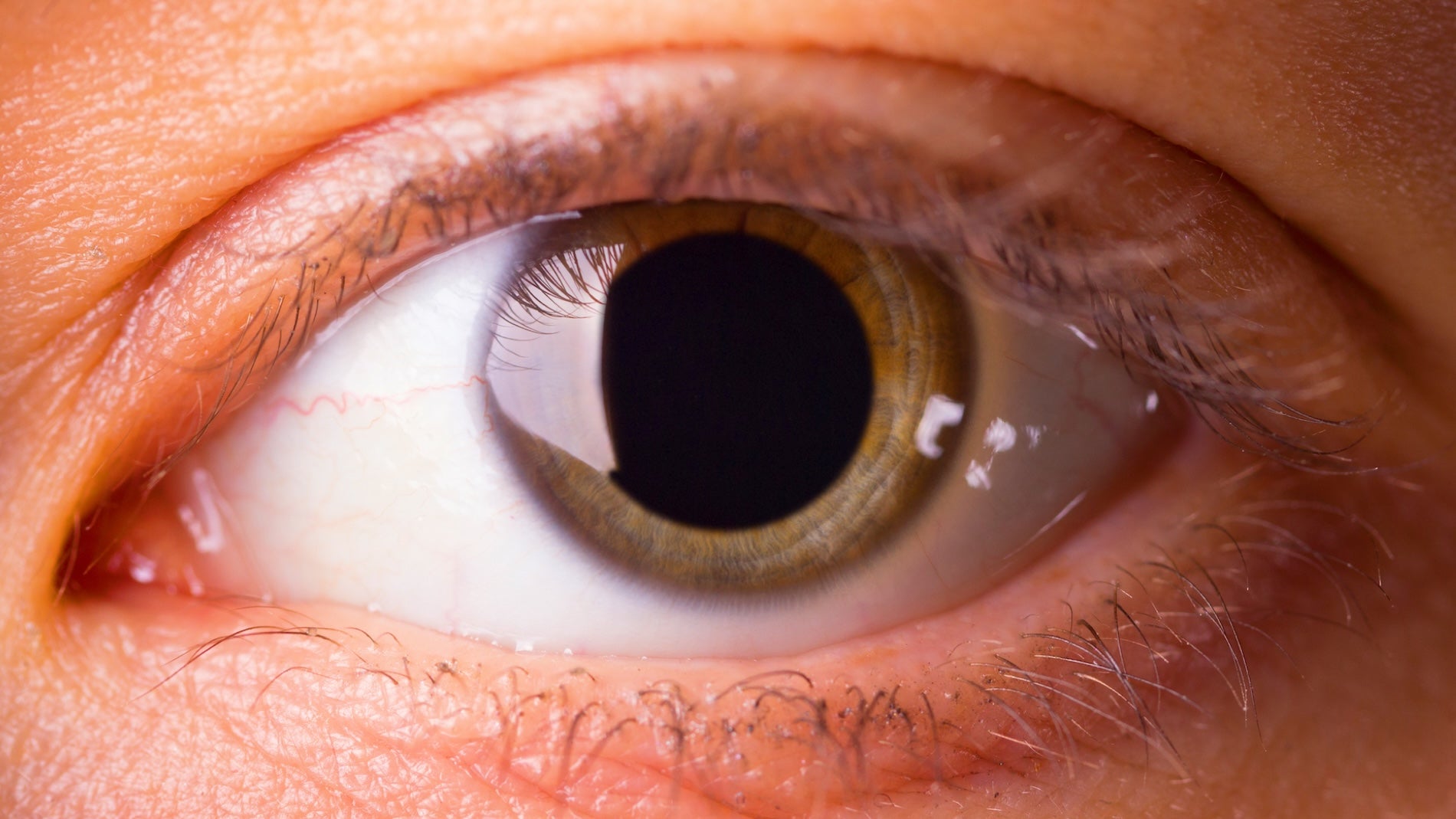
The study shows that an unexpected event activates a cluster of brainstem neurons called the locus coeruleus, prompting a sudden surge in alertness and pupil expansion that helps individuals adjust to rapidly changing environments.
Professor Matt Nassar, a co-author of the study, said pupil dilation is one of the most visible physical manifestations of the brain when a person receives unexpected news or encounters a surprising trigger. Nassar noted that the expansion reflects an abrupt increase in alertness, supporting the theory that the reaction fulfills a vital cognitive function.
Brown University, an Ivy League research institution located in Providence, Rhode Island, frequently conducts studies into brain function, sensory processing, and human behavior. Neuroscience research into ocular reflexes often focuses on how visual signals correlate with internal neural states.
Ocular reflexes and non-visual triggers
Under normal circumstances, human pupils adjust automatically to environmental light levels. In total darkness, pupils expand to allow more light into the eye as a natural defensive reflex, whereas bright outdoor environments cause the pupils to contract.
However, pupil size changes can occur independently of ambient lighting. Changes in pupil diameter occur during intense cognitive effort, physical exertion, emotional excitement, and as a side effect of certain medications. Pupil size can even fluctuate in rhythm with breathing, expanding during exhalation and contracting during inhalation.
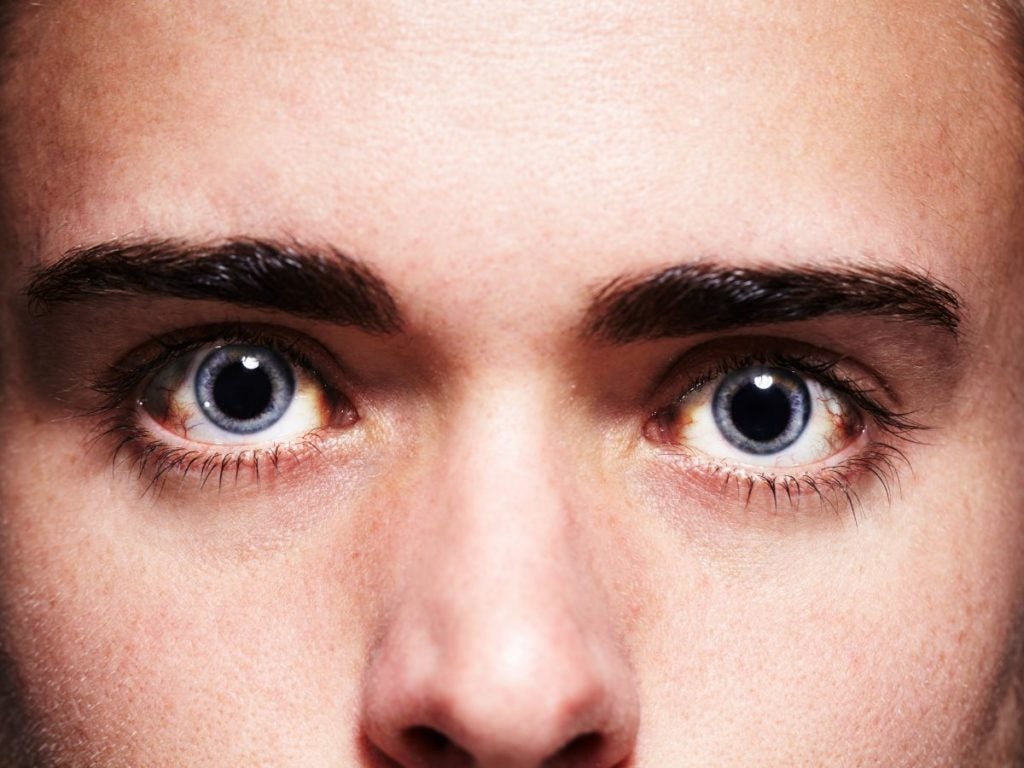
The locus coeruleus is a small nucleus located in the brainstem that serves as the principal site for the synthesis of norepinephrine, a neurotransmitter critical for regulating wakefulness, attention, and physiological stress responses. Because pathways from the locus coeruleus directly influence the autonomic nervous system controlling the iris dilator muscle, changes in pupil diameter serve as a non-invasive window into real-time brain activity.
Experimental design and color testing
To measure the impact of surprise on pupil size and neural activity, the research team recruited 63 healthy adult participants for a controlled experiment involving visual tasks. Participants watched a display screen showing a sequence of color patches and were instructed to memorize the patterns.
The subjects were asked to predict which colors would appear in subsequent images based on previously established patterns. Throughout the test, researchers collected detailed data on changes in pupil diameter alongside electroencephalography, or EEG, brain wave recordings.
Electroencephalography is a non-invasive diagnostic technique that uses sensors placed on the scalp to detect electrical activity in the brain. It allows scientists to track rapid neural responses to sensory stimuli with millisecond precision, making it an ideal tool for monitoring brief spikes in mental arousal.
Learning adjustments and reduced perceptual bias
When surprising or unexpected colors appeared on the screen, researchers recorded a distinct increase in brain waves associated with transient arousal and heightened activity in the locus coeruleus system. According to the study, participants who experienced this neural response benefited from appropriate learning adjustments under the test conditions and showed a marked reduction in perceptual bias.
The findings were published in the scientific journal Nature Human Behaviour. The researchers concluded that the brain uses surprise as an adaptive mechanism, resetting neural processing so that individuals can update their expectations and navigate unpredictable situations more effectively.
Nature Human Behaviour is a monthly peer-reviewed scientific journal published by Springer Nature that covers research into human behavior, including neuroscience, psychology, and social sciences.



