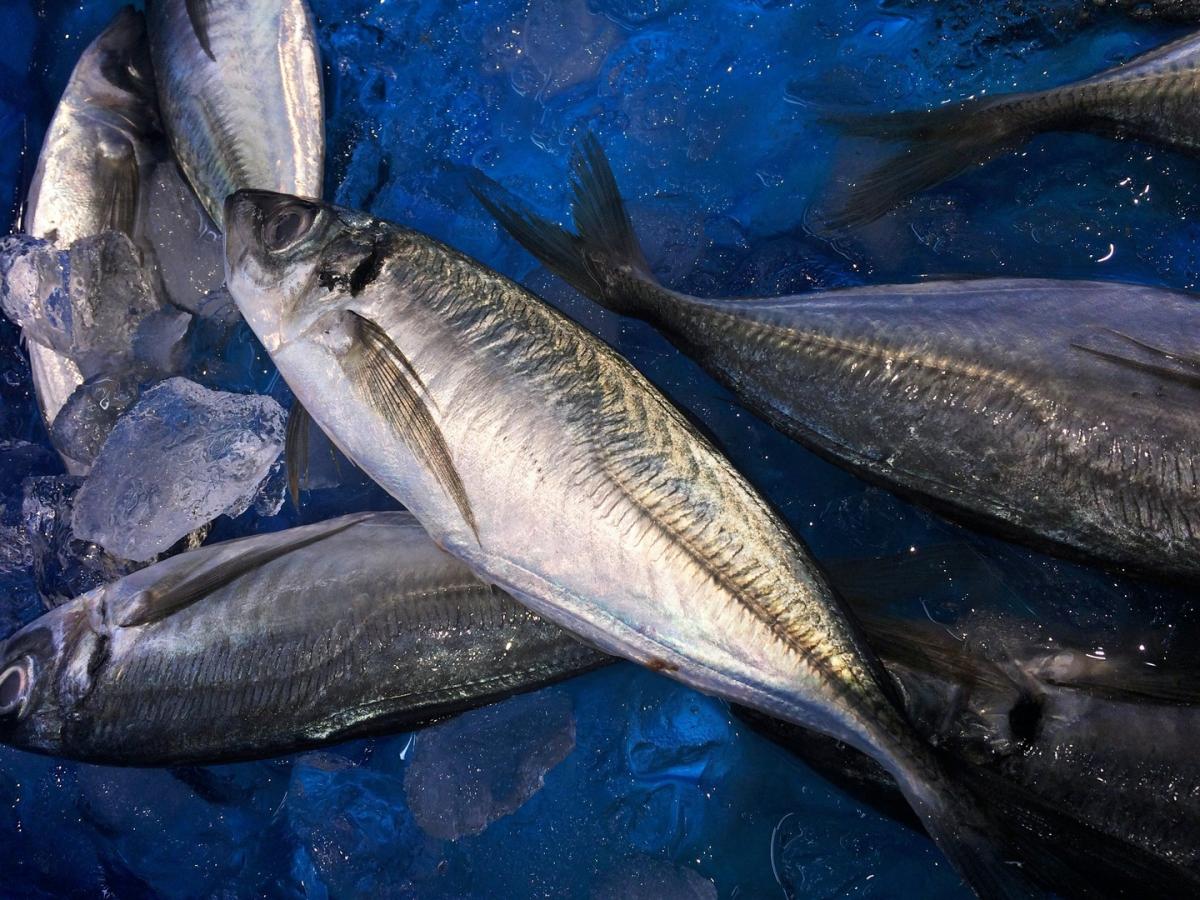
Scientists at the Federal University of Santa Catarina have discovered parasitic worms in 96 percent of skipjack tuna examined off the coast of Brazil.
Researchers analyzed 53 tuna caught in South American waters and identified more than 1,600 small worms located mainly in the intestinal tract and edible muscle tissue. The findings were published in the scientific journal Ocean and Coastal Research and reported by Science Alert.
Organ infestation and study findings
Using high-powered microscopes, the Brazilian research team examined the internal organs of each fish in detail. They established that the kidneys and heart were the only organs completely free from parasites across all 53 specimens examined.
In contrast, worms and physical traces of their activity were present almost everywhere else throughout the body cavity. The study authors concluded that the results highlight the importance of rigorous sanitary inspection and emphasize the need for immediate removal of internal organs after harvest to prevent larvae from migrating into muscle tissue.
The Federal University of Santa Catarina, located in the southern Brazilian state of Santa Catarina, is one of the country's leading public research institutions. Its marine scientists frequently monitor coastal fisheries and marine biodiversity in the South Atlantic Ocean.
Laboratory analysis identified two main genera of parasitic worms inhabiting the fish: Trypanorhyncha and Anisakis. Science Alert noted that parasites and fish have evolved together over millions of years and adapted to co-exist in global marine ecosystems, meaning their presence in wild tuna is not unexpected.
However, science writers at the publication noted that what raised concern was the unusually high density of worms within individual specimens and how widely distributed the parasites were across multiple organ systems.
Commercial impact and species background
The species examined in the study is Katsuwonus pelamis, commonly known as skipjack tuna, oceanic bonito tuna, or katsuo depending on the region. Skipjack is a medium-sized perciform fish in the scombrid family, recognized by its streamlined body and distinct dark longitudinal stripes along its belly.
Skipjack tuna carries immense commercial value as the primary species used in canned tuna products worldwide. It represents the most frequently caught tuna species in Brazil, supporting significant commercial fishing fleets operating out of South American ports.
Global fishery statistics from 2022 show that skipjack tuna ranked as the third most harvested marine species in the world. Commercial fleets harvested and sold 3.1 million tonnes of skipjack that year, leading researchers to question the total parasite burden carried across global stocks.
Food safety and health risks
Seafood processing facilities and professional sushi chefs routinely inspect tuna intended for human consumption, manually removing visible parasites before products reach market shelves or dining tables. Despite these precautions, microscopic larvae can occasionally escape detection during standard processing.
In the United States, parasitologists routinely examine worms retrieved from expired canned fish to monitor long-term trends in parasite population levels across commercial fisheries.
Despite the high infestation rates, the study authors emphasized that accidental human infection with Trypanorhyncha larvae remains rare. Furthermore, not all species belonging to the Anisakis genus cause disease in humans.
Thermal processing during standard canning operations destroys parasitic organisms, rendering cooked or canned fish safe for human consumption. Problems arise primarily when consumers eat raw or undercooked seafood containing live larvae.
When live parasites are ingested, certain species can attach themselves to the walls of the human stomach or intestinal lining. This condition can trigger acute gastrointestinal symptoms, including severe abdominal pain, nausea, vomiting, and diarrhea.
Beyond immediate health concerns, researchers warned that widespread parasite contamination can reduce the commercial appeal and market value of seafood. Perceptions of reduced food safety and quality risk eroding consumer trust, potentially causing substantial economic losses for commercial fishing operations.
Ecological indicators and marine conservation
While parasite infestation appears alarming to consumers, marine biologists offer a different perspective on worm populations in ocean wildlife. Chelsea Wood, a parasitologist at the University of Washington, explained that the presence of worms in fish can actually serve as a positive indicator of ecosystem health.
Wood noted that while consumers often assume worms in salmon or tuna indicate environmental degradation, the life cycle of anisakid worms depends on complex food webs spanning multiple trophic levels. She views their abundance as evidence that harvested fish originate from a vibrant marine ecosystem.
Research conducted by scientists at the University of Washington in 2020 revealed a dramatic shift in parasite numbers over recent decades. The team documented a 280-fold increase in Anisakis worm abundance in raw seafood between the 1970s and 2020.
Historical data indicated that prior to the 1970s, researchers found an average of less than one worm for every 100 fish caught. By 2020, that average had risen to more than one worm per individual fish harvested.
Wood attributed this substantial increase to successful international marine mammal protection initiatives. Marine mammals, such as whales and seals, serve as definitive hosts in the life cycle of Anisakis parasites.
She explained that the timeline of parasite growth directly parallels major legislative milestones, including the passage of the United States Marine Mammal Protection Act of 1972 and the commercial whaling moratorium established by the International Whaling Commission in the 1980s.
Speaking to an audience at the Seattle Aquarium in 2020, Wood noted that parasites exist in virtually all food sources. She explained that cooking reliably kills parasites in food products, meaning live and infectious organisms are encountered only when consuming raw or undercooked seafood.
She added that individuals who consume these parasites become an integral part of a natural ecological cycle that links marine plankton to fish, fish to marine mammals, and marine mammals to humans.
Global monitoring and heavy metal defense
The authors of the Brazilian study emphasized that additional research is necessary to track parasite populations beyond South American waters. They called for expanded monitoring across major industrial fishing zones worldwide to understand how parasitic organisms respond to changing oceanic environments.
The discovery of internal parasite management in skipjack follows separate research into how related species, such as Pacific and Atlantic bluefin tuna, process toxic environmental contaminants. Scientists investigating heavy metal accumulation found that bluefin tuna possess natural biochemical defenses against mercury.
Although significant quantities of mercury accumulate in muscle tissue consumed by humans, researchers discovered that tuna utilize selenium inside their spleens to neutralize the toxic heavy metal. The spleen converts mercury into an insoluble, mineral-like compound called mercury selenide, effectively reducing active mercury levels in edible muscle tissue.