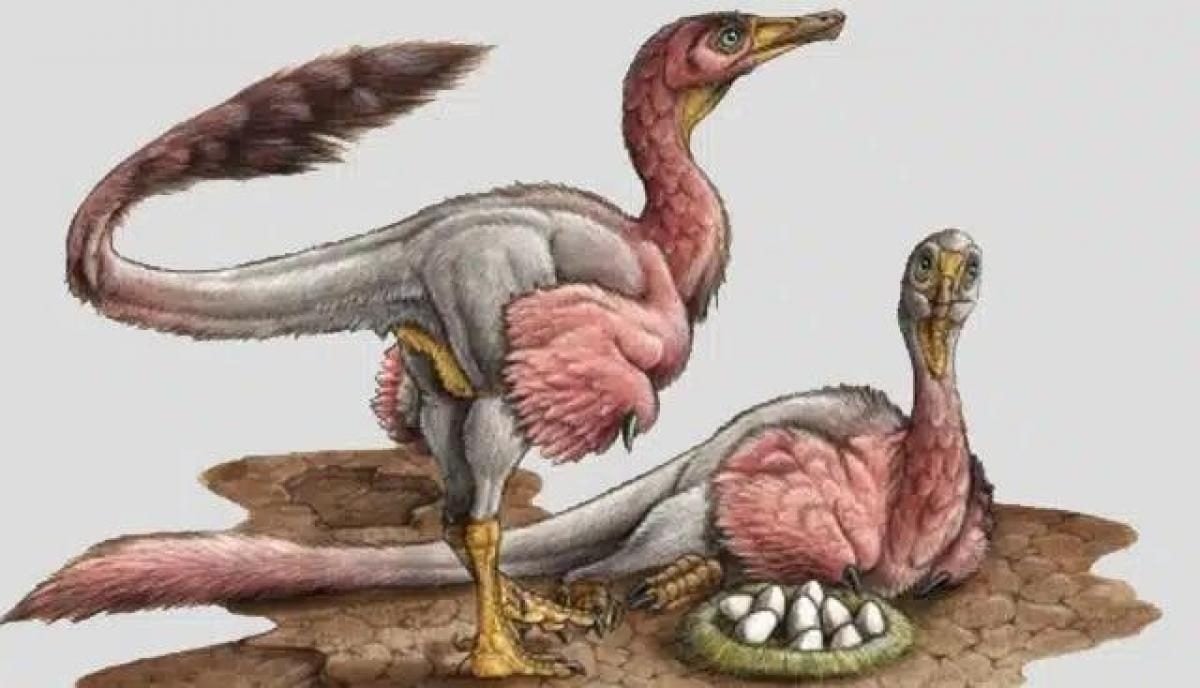
International paleontologists in Patagonia have discovered 70-million-year-old fossilized bones and unhatched eggs belonging to the bird-like dinosaur species Bonapartenykus ultimus.
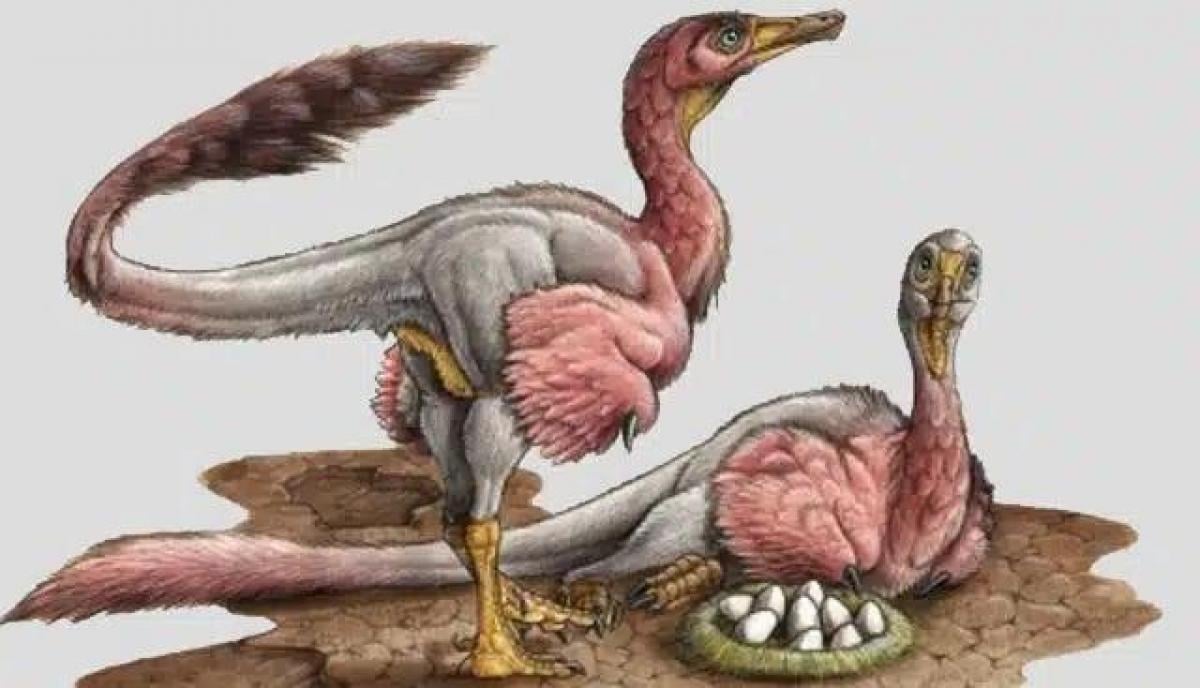
The findings, published in the scientific journal Cretaceous Research and reported by The Daily Galaxy, reveal one of the largest known members of the mysterious Alvarezsauridae family. Measuring approximately 2.6 metres in length, the specimen is also the latest known representative of this group to inhabit Gondwana, the ancient southern supercontinent of the Mesozoic era.
Patagonia, a region located at the southern end of South America, is renowned among paleontologists for its rich Mesozoic fossil beds. Gondwana was the prehistoric landmass that encompassed modern South America, Africa, Antarctica, Australia, and India prior to tectonic breakup.
Fossilized eggs found beside leg bones
The discovery comprises multiple fossilized elements: a fragmentary skeleton, two notable eggs, and microscopic details preserved inside the eggshells. Unusually, the two eggs were preserved directly adjacent to the articulated bones of the dinosaur's hind limb.
Dr Martin Kundrat, a study co-author and dinosaur specialist at Uppsala University in Sweden, noted that this discovery marks the first time eggs have been found in immediate proximity to skeletal remains of an alvarezsaurid.
Dr Kundrat explained that while researchers hypothesized the eggs might have been inside the female's oviducts when she died, this remains a speculation rather than a proven fact. However, shell fragments recovered nearby exhibited significant calcite dissolution on their inner layers, proving that at least some of the eggs had been incubated and contained late-stage embryos.
The physical remains were initially discovered by Dr Jaime Powell of the Argentine Museum of Natural Sciences. The species was formally described and named in honor of Dr Jose Bonaparte, the paleontologist who uncovered the first alvarezsaurid in Patagonia in 1991.
Unique anatomy of alvarezsaurid theropods
Dr Kundrat stated that the discovery demonstrates basal alvarezsaurids persisted in South America until the end of the Cretaceous period. Theropod alvarezsaurids were bipedal, feathered dinosaurs ranging from 0.5 to 2.5 metres in length, with fossil remains previously found across Asia, North America, and South America.
These creatures possessed bird-like skulls, miniature jaws fitted with teeth, and surprisingly short but powerful forearms. Each front limb ended in a single finger equipped with massive phalanges and a huge claw. Reaching 2.6 metres in length, Bonapartenykus was a giant compared to other members of its family.
Theropods were a major group of two-legged dinosaurs that included well-known predators as well as specialized lineages closely related to modern birds.
New egg family and fungal discovery
Analysis of the eggshell microstructure revealed that it did not fit into any known fossil egg classification. As a result, scientists established a new egg family, Arraigadoolithidae, named after Alberto Arraigada, the owner of the land where the specimen was recovered.
Using scanning electron microscopy, researchers examined the pneumatic channels within the eggshell wall and discovered unusual fossilized structures. Laboratory analysis confirmed these structures to be the first recorded evidence of fungal infection in dinosaur eggs.
Scanning electron microscopy is an advanced scientific imaging technique that uses electron beams to visualize microscopic surface details at extremely high magnification.