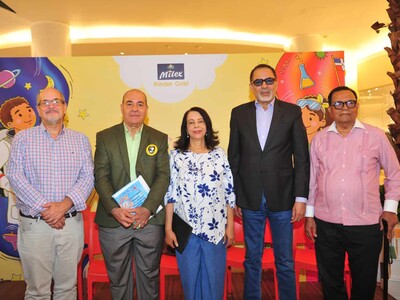
Dominican author Avelino Stanley has launched his book "Historia de la literatura infantil y juvenil dominicana" during a presentation ceremony in Santo Domingo.
The 960-page volume represents more than six years of exhaustive research, documenting over 150 years of literary history in the Dominican Republic.
Presentation at International Children's Fair
The book launch took place on Friday, September 18, as part of the Sixth International Children's Fair in Santo Domingo, organized by Dr. Juan Carlos Toral.
Prominent authors of literature directed at children, adolescents and young people attended the gathering, where writer Jeannette Miller presented the new publication.
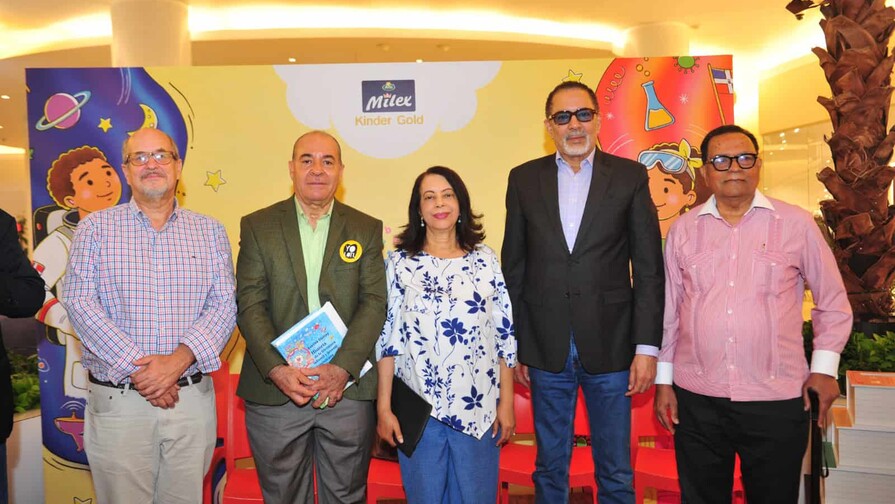
The presentation event brought together key figures from the Dominican literary community, including Dr. Juan Carlos Toral, Avelino Stanley, Emilia Pereyra, Luis R. Santos and Rafael Peralta Romero.
Comprehensive Bibliography and Historical Scope
Stanley's extensive investigation includes around 350 Dominican authors from all historical periods, encompassing both native-born writers and those of Dominican heritage living abroad.
The work contains a comprehensive bibliography listing 1,081 titles, with the author providing commentary on more than 950 individual publications.
Children's and young adult literature encompasses novels, short stories, and poetry written specifically for young audiences to foster reading habits and preserve cultural heritage.
Origins of Dominican Children's Literature
Among the primary findings documented in the study is that Dominican children's literature began in 1872 with the novel "Adela o el ángel del consuelo," written by Dominican author Francisco Xavier Amiama.
The publication aims to address an existing gap in national scholarship and dismantle persistent myths surrounding youth literature based on documented historical facts.
The Dominican Republic, a Caribbean nation sharing the island of Hispaniola with Haiti, has developed a vibrant literary identity rooted in its historical traditions and local storytelling.
National Identity and Regional Recognition
The research reveals that approximately 75 percent of local literary production for children and youth is grounded in themes that reaffirm Dominican national identity.
During the event, Jeannette Miller praised Stanley's contribution, stating that congratulating the author was not enough to mark his achievement. She noted that his extraordinary effort reflected a deep devotion to national literature and would remain part of their development as readers and writers like a major gift that redefines Dominican literary history.
Stanley expressed hope that the publication would help bring greater visibility to Dominican children's and youth literature. He stated that he found significant quality across a major portion of the country's publications, comparing it favorably to works produced across Latin America.
Latin America's children's literature sector has expanded significantly in recent decades, with writers across Spanish-speaking nations contributing works that celebrate local history and regional culture.