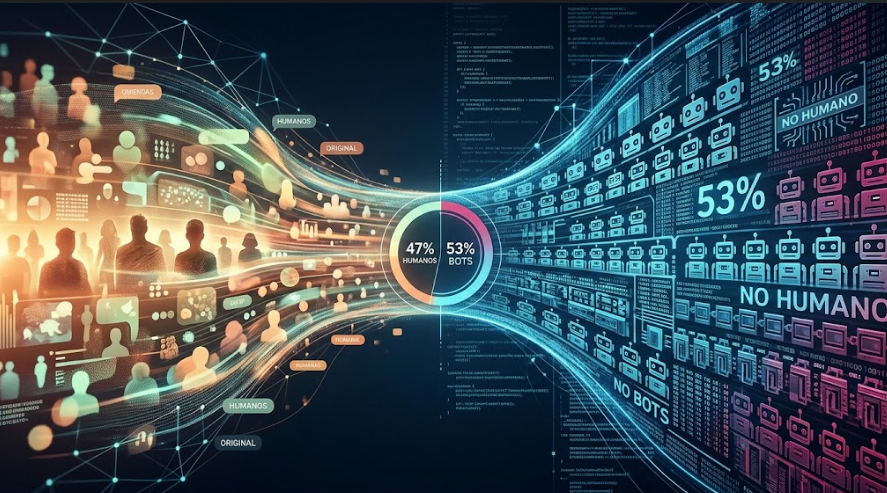
Automated computer programs now generate 53 percent of all global internet traffic, outnumbering human users as automated networks increasingly target political elections, according to data from cybersecurity firm Thales and Carnegie Mellon University.
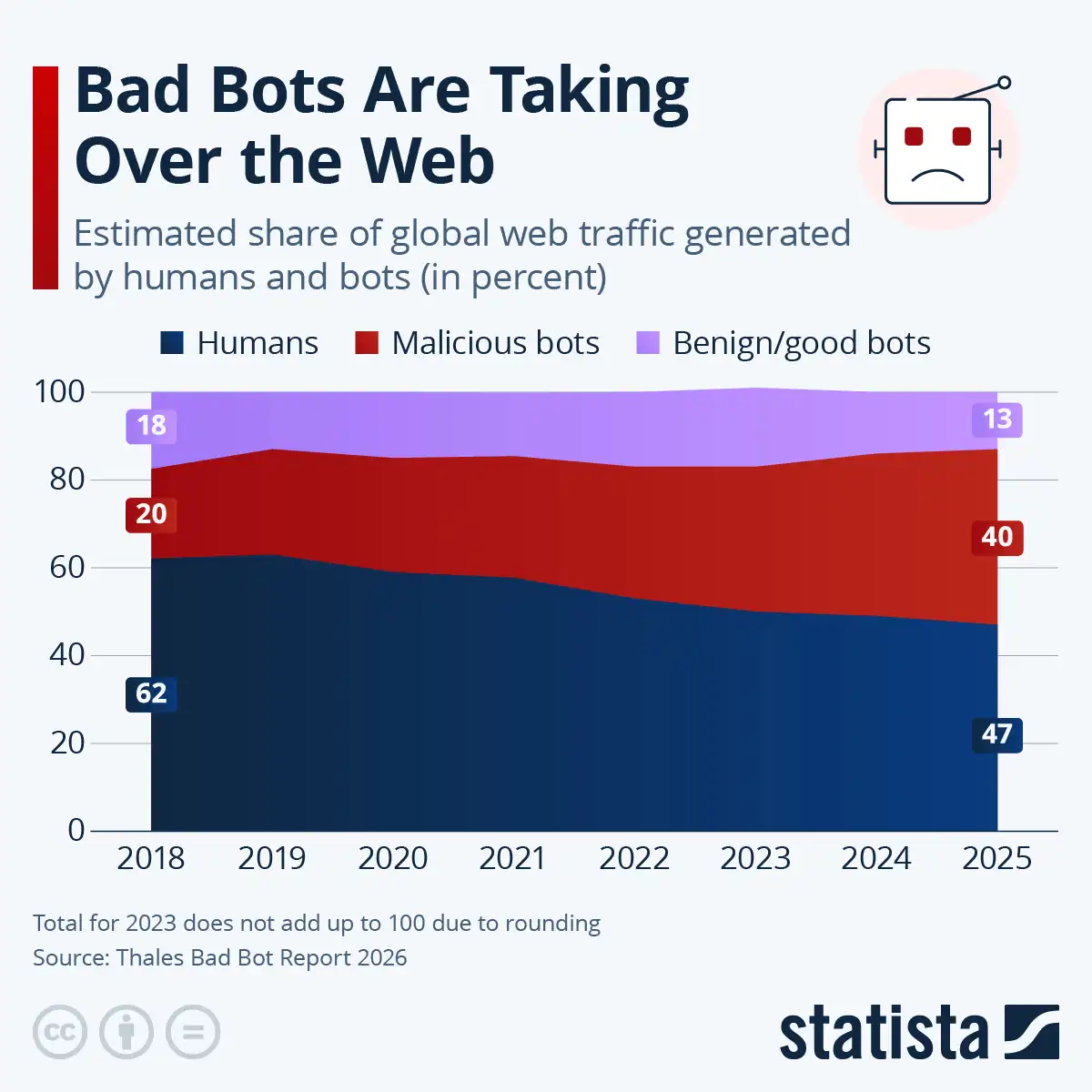
The figures, compiled by Statista from the Thales Bad Bot Report 2026, show that malicious bots account for 40 percent of overall web traffic, approaching the 47 percent generated by human users across global servers.
Research from Carnegie Mellon University shows that while automated accounts make up about 20 percent of social media activity on average, their presence surges to 43 percent during moments of intense political contention.
The global traffic findings from Thales track activity across web servers, application programming interfaces, and automated scraping tools worldwide. Thales, a French multinational electronics and defense company, specializes in aerospace, security, and cybersecurity systems.
Industry data indicates that non-human traffic surpassed human activity in 2025, driven by a rapid expansion of automated scripts and coordinated digital tools operating across commercial and institutional networks.
Academic analysis of social media networks
To examine how automated accounts operate during specific public events, researchers Lynnette Hui Xian Ng and Kathleen Carley conducted a study published in the scientific journal Nature. The researchers work at the Center for Computational Analysis of Social, Societal and Organizational Systems at Carnegie Mellon University.
The academic study analyzed nearly 5 billion tweets and 200 million user accounts on X, formerly known as Twitter, between 2018 and 2021. The dataset covered major global events, including political elections, the COVID-19 pandemic, and the public release of a Marvel feature film.
The Carnegie Mellon researchers found that bot activity is not evenly distributed across digital platforms, but instead concentrates heavily around high-stakes political events. The 43 percent spike observed during political contests reflects targeted deployment strategies by automated operators.
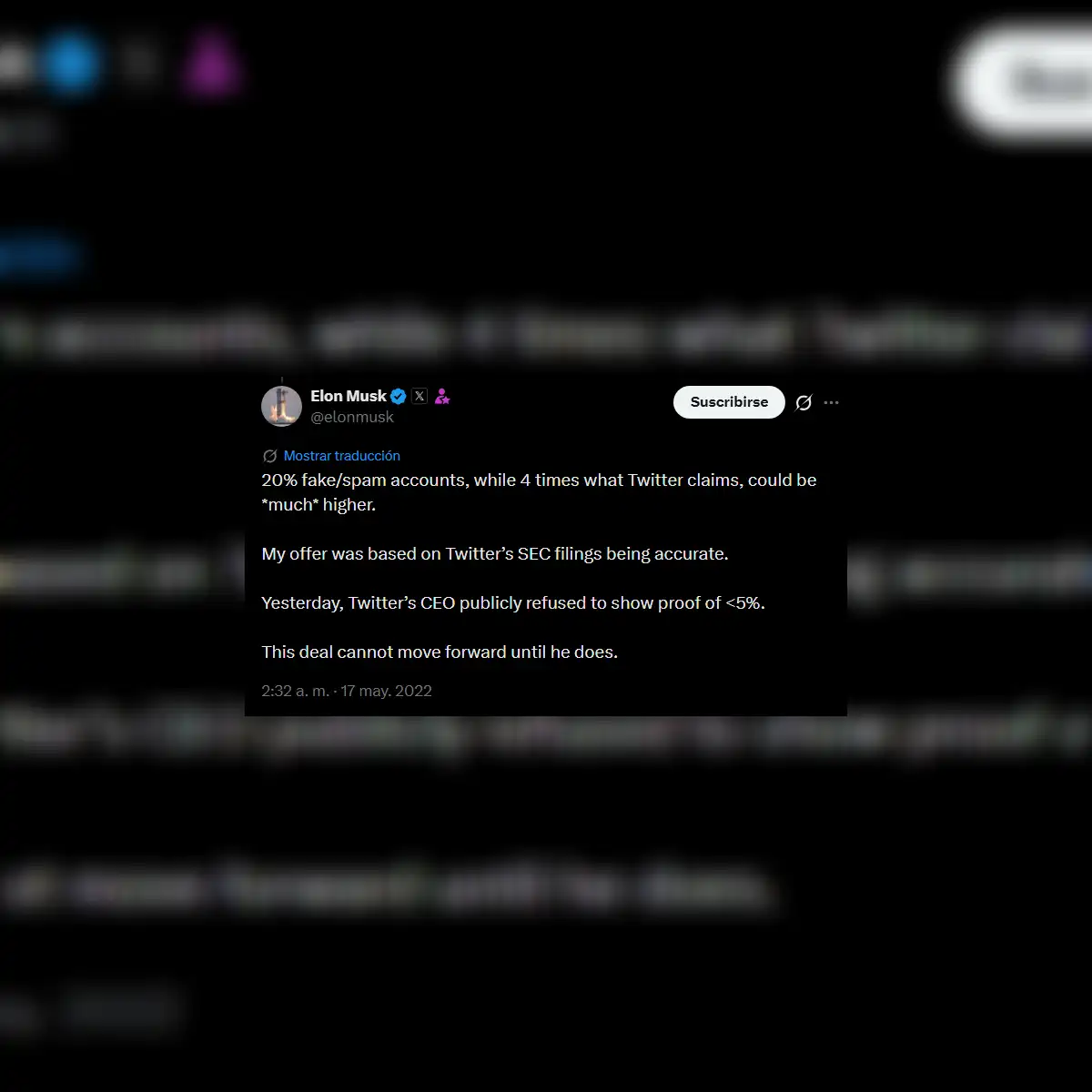
The academic findings align with statements made by billionaire entrepreneur Elon Musk in 2022. Musk stated on X that 20 percent of accounts on the platform were fake or spam, writing that the true proportion could be significantly higher.
Behavioral differences between bots and human users
The Carnegie Mellon study outlined key operational differences separating bot activity from human behavior online. Researchers found that automated accounts rely on repetitive actions that are technically simple to automate, whereas human users engage in more complex interactions.
Bots use higher numbers of hashtags and mentions, post with greater frequency, and execute retweets far more often than human users. Human participants, by contrast, write direct replies, post quote tweets, and share images, choosing actions that require an understanding of conversational context.
Identity profiles also distinguish automated accounts from real people. When indicating personal identities, bots select from a narrow range of generic profile descriptions, such as man, fan, or son. Human users present a substantially wider variety of personal and professional identities.
Network connectivity patterns reveal further structural differences between the two groups. Automated accounts build star-shaped networks consisting of a central content-emitting core surrounded by an amplifying periphery. Human users form organic, hierarchical tree-like network structures.
Researchers also noted that automated accounts systematically concentrate their activity along existing social fracture lines. Bots focus heavily on debates involving gender, politics, race, and national identity to maximize division and engagement.
The political bot farm case in Bolivia
The practical application of automated political manipulation was highlighted by the arrest of Argentine political consultant Fernando Cerimedo in Bolivia on August 18. Cerimedo, known as the king of trolls, was detained during an investigation into the attempted femicide of his former partner, lawyer Nadia Beller.
Beller survived an attack by hitmen in Santa Cruz and identified Cerimedo as the person responsible for the assault. Following the arrest, judicial authorities conducted searches connected to the criminal investigation.

During subsequent search operations, the La Paz Prosecutor's Office reported seizing cash, official documents, and electronic equipment described by prosecutors as a mini bot farm. The discovery linked physical hardware to coordinated digital campaign operations in the region.
Cerimedo has a documented history of political consulting and digital campaign management for right-wing political figures across Latin America. During the 2023 presidential campaign of Argentine President Javier Milei, Cerimedo served as an advisor and admitted to operating thousands of troll accounts to manipulate social media algorithms and alter trending topics.
The consultant, who is a business partner of La Derecha Diario director Javier Nege, has been linked to electoral campaigns in several other nations. Brazilian Federal Police identified Cerimedo as part of a core group dedicated to producing, spreading, and amplifying false news during Brazil's 2022 presidential election.
In Chile, Cerimedo was associated with the Rechazo campaign during the 2022 constitutional referendum. More recently, he worked as a close collaborator of Bolivian President Rodrigo Paz. Speaking from prison, Cerimedo denied exercising any official power within the government of Rodrigo Paz.

Artificial intelligence and future cyber threats
The findings from both industry and academia highlight the growing role of artificial intelligence in reshaping online communication. Researchers at Carnegie Mellon noted that while bots powered by large language models remain relatively rare, they are approaching a performance threshold that will make them undetectable to ordinary users.
Data from cybersecurity firm Thales showed that automated attacks powered by artificial intelligence multiplied more than 12-fold within a single year, marking a rapid evolution in technical capabilities.
Together, the technical web data and social network analysis demonstrate that automated accounts are evolving beyond simple volume tactics. As artificial intelligence advances, automated networks are increasingly designed to target sensitive social and political events with high precision.