Philosopher Jose Antonio Marina and writer Maximo Huerta warned that the human mind must be protected against artificial intelligence and the attention economy, speaking at a cultural event in Valencia on Monday.
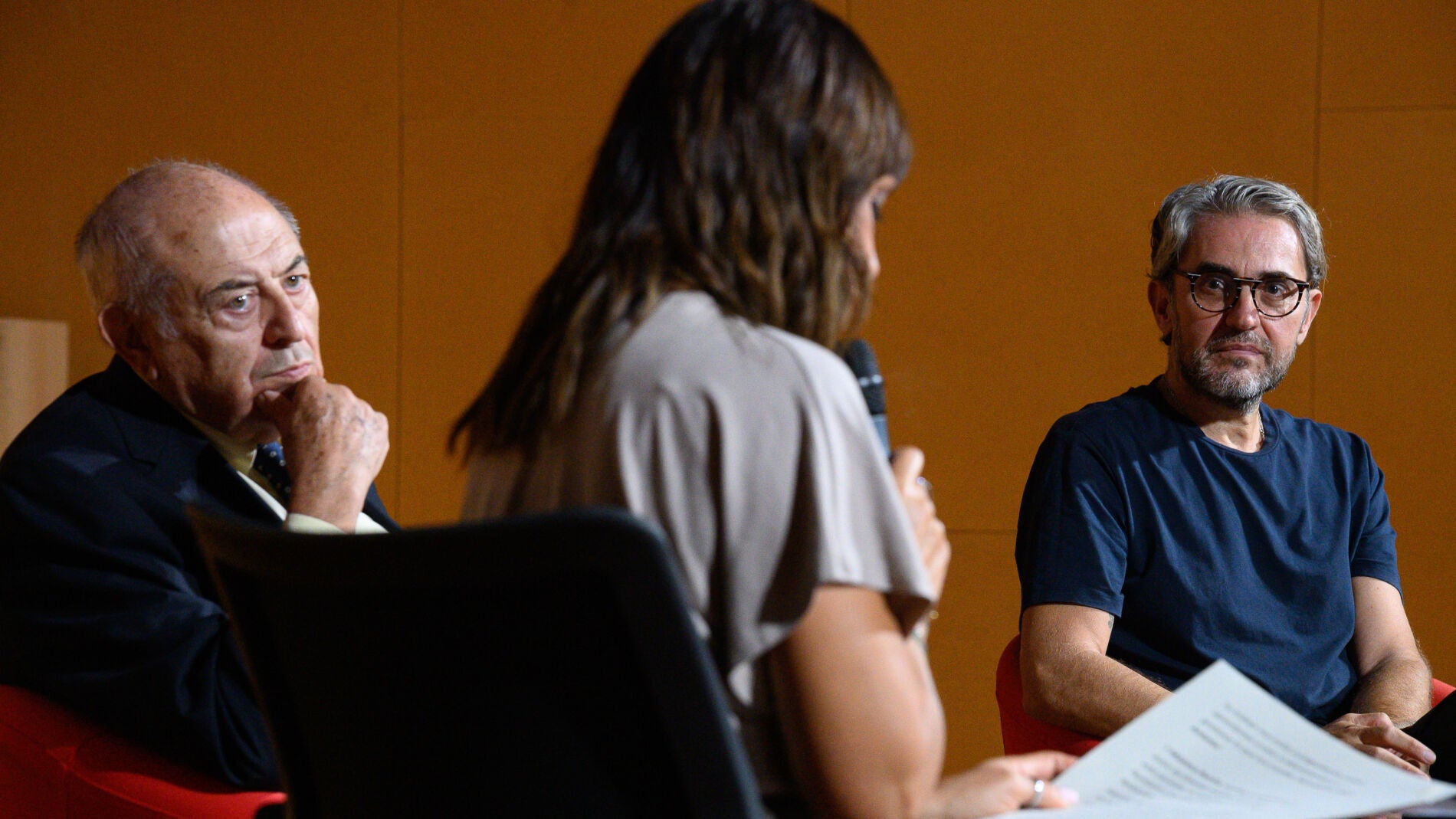
The two authors addressed how emotions transform and the role played by technological contexts during the first day of Xats, an initiative organised by the publishing group PlanetadeLibros. The event launched a new edition of the Bookstores on Duty programme, bringing together culture and psychology for the first time.
Valencia is a major port city on the southeastern coast of Spain, known for hosting literary and cultural festivals. PlanetadeLibros is the publishing imprint of Grupo Planeta, a multinational media corporation and one of the largest book publishers in the Spanish speaking world.
Decisive turning point
Marina is a prominent Spanish essayist and educator whose work focuses on intelligence, neurology and the evolution of human thought. He described philosophy as a super science that brings together other disciplines, and said humanity is facing a decisive turning point due to the emergence of artificial intelligence.
Artificial intelligence systems are built on complex artificial neural networks that process massive amounts of data. Technology companies use these systems, alongside algorithms designed to maximize engagement, to capture user attention and generate advertising revenue.
Marina said the technology is based on those complex neural structures and is developing at a pace that causes both amazement and concern. He did not reject artificial intelligence completely but said its evolution requires close monitoring.
Marina said critical educational decisions must be made within the next five years. He warned that if public institutions and educational systems fail to respond, large technology corporations will end up setting pedagogical guidelines.
Intellectual dialysis
The philosopher said the main threat to education is a condition he called intellectual dialysis. He said this occurs when the human mind delegates critical thinking to a machine rather than doing the work by its own means.
Marina said this phenomenon is already taking shape, creating personalities that lack self control and are susceptible to digital addiction.
He said these factors fuel the attention economy, an environment where user focus is treated as a commodity. According to Marina, tools such as infinite scrolling are destroying the human capacity for concentration.
Infinite scroll is a web design technique that loads new content continuously as a user swipes down, preventing them from ever reaching the bottom of a page. Psychologists have compared the mechanism to a slot machine, designed to keep users engaged for as long as possible.
Marina said human brains are vulnerable to this because they are fascinated by novelty, describing the trait as an evolutionary botch.
To counter this vulnerability and prevent the creation of an easily manipulated society, Marina said teaching voluntary attention must become an absolute priority beginning in early childhood.
Social media exhibitionism
Huerta took a different approach, saying he rejects any form of artificial intelligence. The author and journalist, who previously served as Spain's minister of culture, instead focused on how culture, emotion and lived experience shape mental health.
Huerta said physical contact and eye contact between people are essential for the human mind. He said human connections provide an emotional warmth that machines can never replicate.
He said social media platforms operate as an exhibitionist version of life rather than a genuine way to socialize.
Social media platforms allow users to broadcast thoughts, photographs and videos to large audiences. Health professionals and sociologists have increasingly studied the impact of these platforms on adolescent development, anxiety and social isolation.
Huerta said he accepts that others view the platforms differently, but he considers them simply digital versions of traditional emotional outlets. He compared posting on social media to a religious confessional, secrets shared between friends or a conversation at a bar.
Cultural legacy and aging
Huerta said culture determines how people understand their feelings and how they express psychological pain. He said culture also shapes how society deals with the lingering stigmas surrounding anxiety and depression.
He said cultural factors affect how people mature. Maturing does not mean blindly accepting a cultural legacy, Huerta said, but rather learning to reflect critically and deciding which values to keep.
The conversation also covered the final stages of life. The Valencia event was titled The Journey of Our Lives, exploring the development of the human mind from birth to old age and how different people face the process.
Marina, who is 87 years old, said the key to fighting the passage of time is maintaining reserve projects and preserving the ability to learn.
Huerta said aging requires accepting personal transformation and the loss of time.
The writer said he is frightened by people who claim they have not changed over the years. Huerta said maturing involves understanding that stages of life come to a close.
He said people must learn to adapt to new circumstances and value the present, rather than living trapped in nostalgia for what they have lost.