Portuguese author Francisco José Viegas has highlighted the profound moral dilemmas explored in Fyodor Dostoevsky's classic novel Crime and Punishment, describing the protagonist Rodion Raskolnikov as the lament of an entire Russian generation.
In an analysis published by the Correio da Manha newspaper, Viegas argued that the 1866 novel delves deeper into the moral crises of 19th-century Russia than Dostoevsky's other major works, such as The Brothers Karamazov or Notes from Underground.
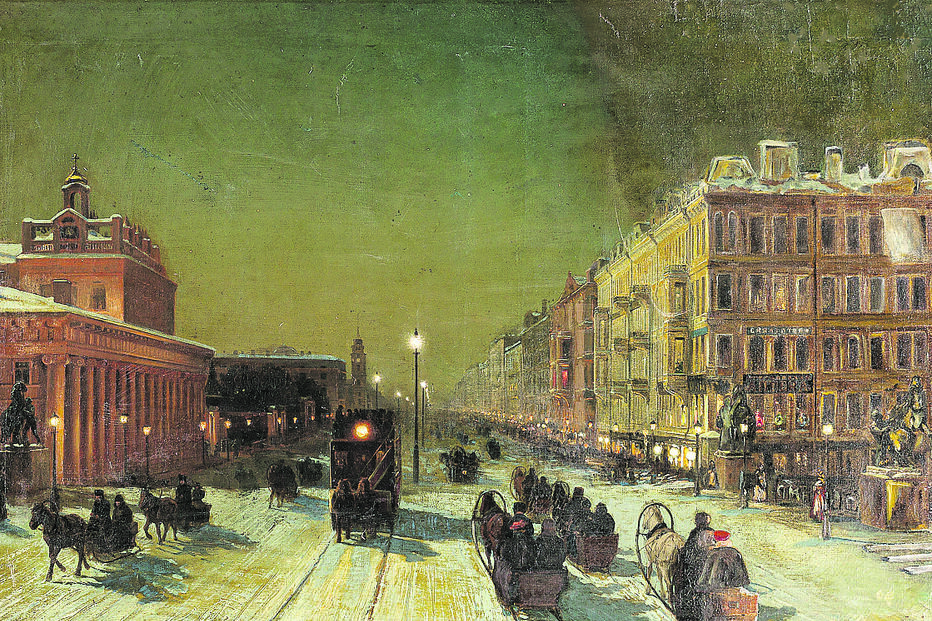
The novel presents a grim portrait of St Petersburg, depicting a city consumed by disease, crime, filth and poverty. Viegas compared this bleak setting to Alexander Solzhenitsyn's later accounts of the Soviet Gulag, noting that Crime and Punishment lacks a single luminous sequence, with even the white snow destined to turn to mud.
Inner torment
Raskolnikov serves as a seismograph for this environment of torture and violence, according to Viegas. The character's internal torment stems not only from the crime he commits but also from a broader conflict between honour and the agony of seeing Russia impoverished and dilapidated.
This internal struggle predates Raskolnikov's murder of Alyona Ivanovna, an elderly pawnbroker, and her sister Lizaveta. The killings are driven by his theory that a superior man can transcend moral and legal boundaries for a greater good.
However, Viegas noted that Raskolnikov kills by accident and steals a trifling amount, framing him as a failed figure. Following the crime, he is consumed by the need to confess to Porfiry, the police investigator, and to Sonya, out of love and solemnity.
Russian nationalism
The analysis also positioned Dostoevsky as a master of a reactionary and anti-liberal version of Russian nationalism. The author, who narrowly escaped execution and spent four years in Siberian exile, rejected both the nihilism of his era and the push for European modernisation favoured by contemporaries like Ivan Turgenev.
Instead, Dostoevsky sought a uniquely Russian solution rooted in religion, a pursuit that culminated in his final novel, The Brothers Karamazov. Viegas suggested that Dostoevsky viewed European influence as a denial of the Russian soul, despite having travelled extensively across Europe before settling in St Petersburg.
Reflecting on the protagonist's plight, he added almost solemnly that the character was a great sinner whose worst sin was being destroyed and betrayed in vain. It was frightening, he noted, that the character lived in detested filth while knowing he was not helping or saving anyone.