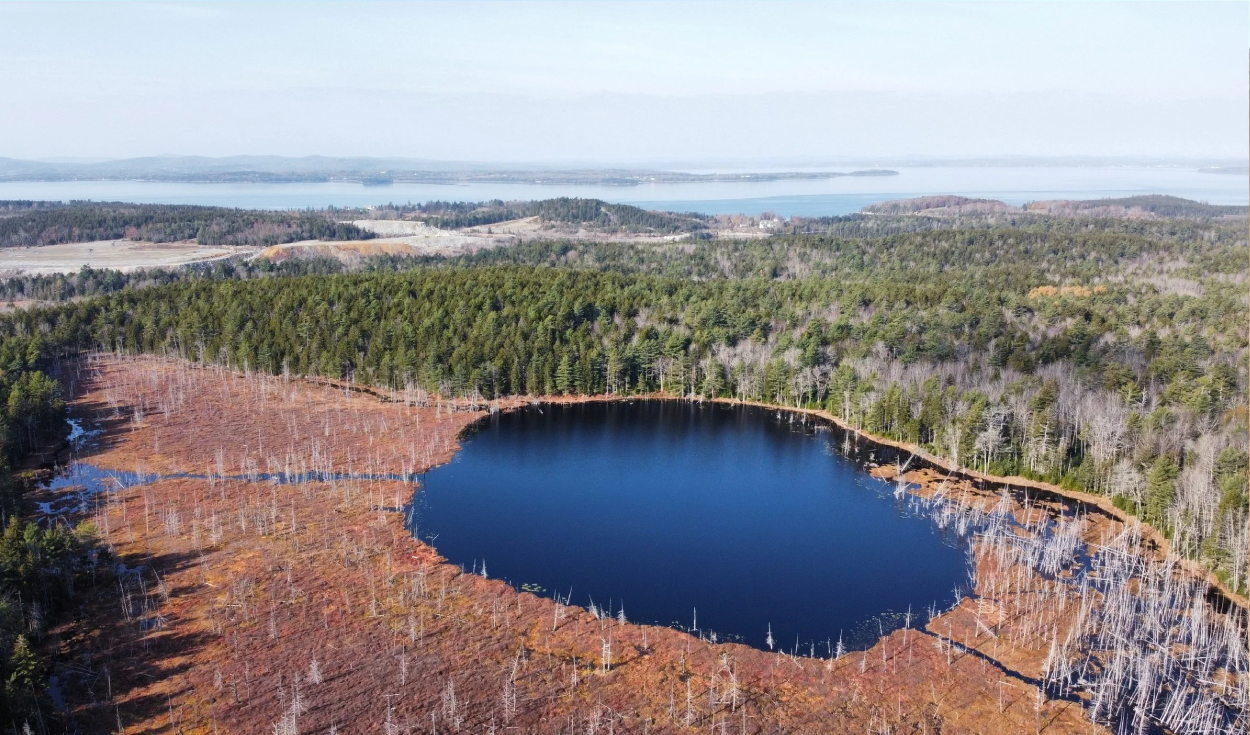
Anita Harris bought an abandoned island off Brooksville, Maine, in 1964 to live in isolation before donating more than 1,200 acres to create a state wildlife sanctuary.
The 27-year-old purchased the 46.5-hectare island off the coast of the Gulf of Maine and built a small home for herself in near total solitude. Over subsequent years, she used her own financial resources to acquire additional adjoining properties along the coastline.
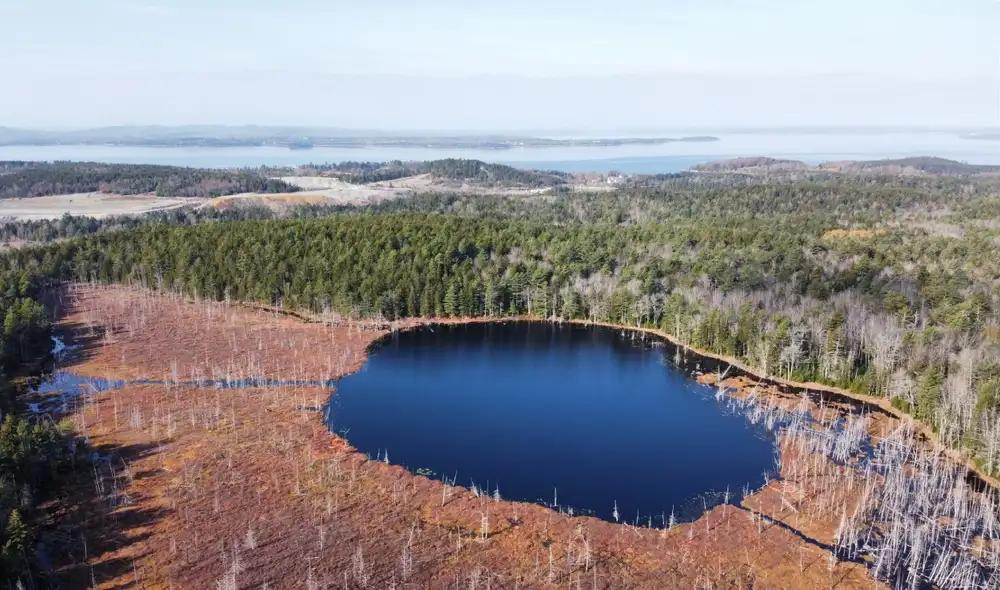
In 1971, Harris donated 1,230 acres, equivalent to about 498 hectares, to the state of Maine to ensure the land remained protected. The area is now known as Holbrook Island Sanctuary and encompasses 498 hectares of mainland territory alongside the 46.5-hectare island. The reserve continues to be managed according to her wishes, with minimal human intervention and no modern infrastructure improvements.
Acquisition of coastal Maine property
Harris sought isolation by her own choice during a decade when the Maine coast still retained extensive tracts of accessible land. In the 1960s, real estate development had not yet reached many of the region's coniferous forests, coastal wetlands, and rocky beaches. Harris identified the ecological importance of the area and moved to secure it before commercial development could alter the landscape.
Brooksville is situated in Hancock County on the Blue Hill Peninsula, bordering Penobscot Bay along the Gulf of Maine in the northeastern United States. The region's coastline is defined by tidal marshes, boreal forests, and granite shorelines that historically supported fishing and maritime industries before land trusts and public state parks expanded conservation efforts.
Rather than developing or selling the acreage she had accumulated, Harris opted to transfer ownership directly to the state. The move shifted the land from private ownership into permanent public protection under the administration of Maine's state park system.
Ecosystems and sanctuary wildlife
Holbrook Island Sanctuary features a diverse combination of natural environments characteristic of the Maine coast. The protected territory includes forests of fir, pine, and other tree species, as well as wetlands, salt marshes, ponds, meadows, beaches, mudflats, and rocky shorelines.
The varied terrain provides food, shelter, and breeding habitats for a wide range of native fauna. Mammals inhabiting or visiting the sanctuary include deer, foxes, beavers, otters, porcupines, bobcats, and coyotes. The property also serves as a habitat for bird species such as bald eagles, peregrine falcons, and various migratory birds.
Visitors can explore these natural settings along a network of historic roads and trails. The existing paths allow public access without requiring conventional tourism infrastructure that would modify the local environment.
Management philosophy and public preservation
The sanctuary was planned to maintain its wilderness character rather than adopting the developed facilities common in traditional parks. The organisation Friends of Holbrook Island Sanctuary said the original intention was to preserve the site with its existing roads and natural traces, allowing visitors to experience the landscape without major modifications.
More than five decades after the 1971 donation, Harris's decision remains a notable example of private land conservation in Maine. Her bequest permanently protected a rare combination of coastal, woodland, and wetland ecosystems for future generations while keeping human disturbance to a minimum.