The Regional Government of Andalusia has begun processing a decree to establish mandatory baseline standards for all public firefighter services across the autonomous region following severe summer wildfires.
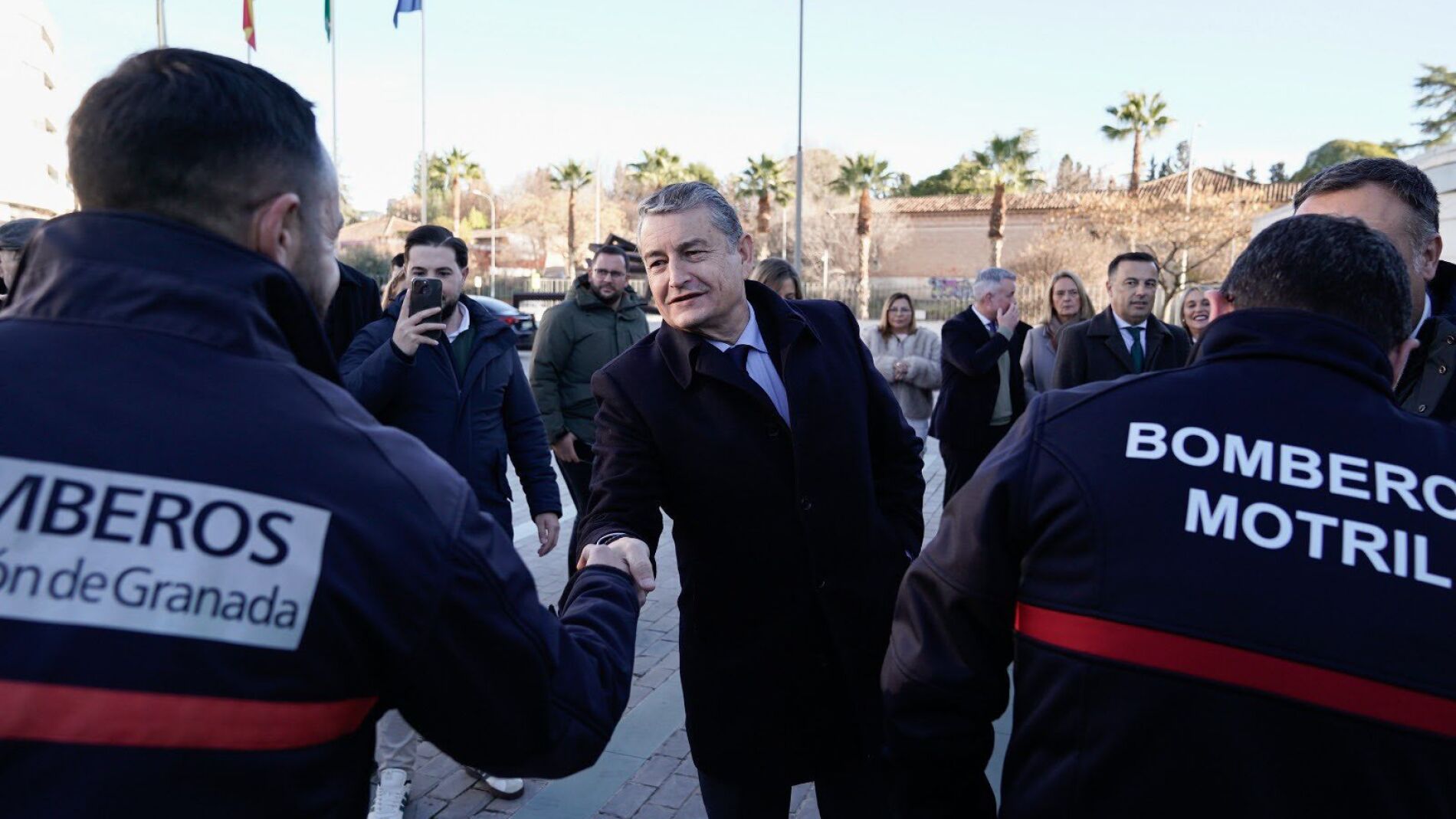
Antonio Sanz, the First Vice President and Regional Minister of Presidency, Health and Emergencies of the Regional Government of Andalusia, announced the measures during an event with firefighters in Motril, Granada. Sanz stated that the goal of the new framework is to ensure basic protection guarantees for all residents, whether they live in small villages or large cities.
Under the proposed decree, all Fire Prevention, Extinction and Rescue Services (SPEIS) in Andalusia will be required to operate with permanent, in-person coverage 24 hours a day and 365 days a year. Each station must also maintain operational autonomy for at least 72 hours during extraordinary emergencies, keeping independent supplies of electricity, communications, fuel, and water.
The regulation sets a planning benchmark for firefighters to reach population centers within a maximum of 30 minutes. Regional officials clarified that the 30-minute target is not a strict mandatory limit for every individual emergency, but rather a criterion to optimize resource distribution, particularly across rural and dispersed areas.
Key operational requirements
Decisions on where to locate fire stations and how to equip them will no longer depend solely on municipal population figures. Under the decree, planners must evaluate seasonal population surges, total land area, road access, industrial hazards, dangerous goods transport, incident volume, and the interface boundaries where urban areas meet forest land.
The framework establishes clear rules of command when multiple services respond to the same emergency. Fire services will also be permitted, through formal agreements, to integrate directly into the 112 Andalucía technological platform to share real-time data regarding active incidents and deployed resources.
Additional measures in the decree include a single regional registry for firefighting staff, standardized professional accreditation, and unified regulations covering ongoing training, workplace risk prevention, legal assistance, vehicles, communications, and equipment. The public consultation period will run for 15 business days, allowing citizens, local authorities, professionals, and organizations to submit observations.
Legislative background and timeline
Andalusia is Spain's southernmost autonomous community, spanning eight provinces and containing diverse terrain ranging from coastal resorts to mountainous rural districts. Public firefighting in the region is currently fragmented across distinct municipal, provincial, and consortium-based bodies, each operating under its own internal regulations rather than a unified regional force.
Efforts to standardize fire services in the region follow earlier attempts at the national level. A bill to coordinate fire and rescue services across Spain was introduced in the Congress of Deputies in September 2020 and approved for consideration on October 13, 2020, but the initiative expired before it could be enacted into law.
In response, Andalusian authorities advanced their own regulatory framework. Law 2/2023 previously amended the regional Emergency Management Law to define professional scales, categories, and duties for fire personnel. That was followed by Decree 36/2025, which regulated open recruitment, internal promotions, job mobility, second activity roles, and training standards.
Wildfire response and inter-agency coordination
The urgency for operational coordination became clear during major summer blazes, including wildfires in Los Gallardos in Almería, Benahavís in Málaga, and Niebla in Huelva. The fire in Niebla required the joint deployment of approximately 500 emergency professionals from various services and government administrations.
The regional government developed the new operational decree in consultation with firefighting professionals, local authorities, and representatives from the Andalusian Fire Council. Municipalities, provincial councils, and local consortia will retain direct operational management of their respective fire departments while adhering to the common baseline standards.