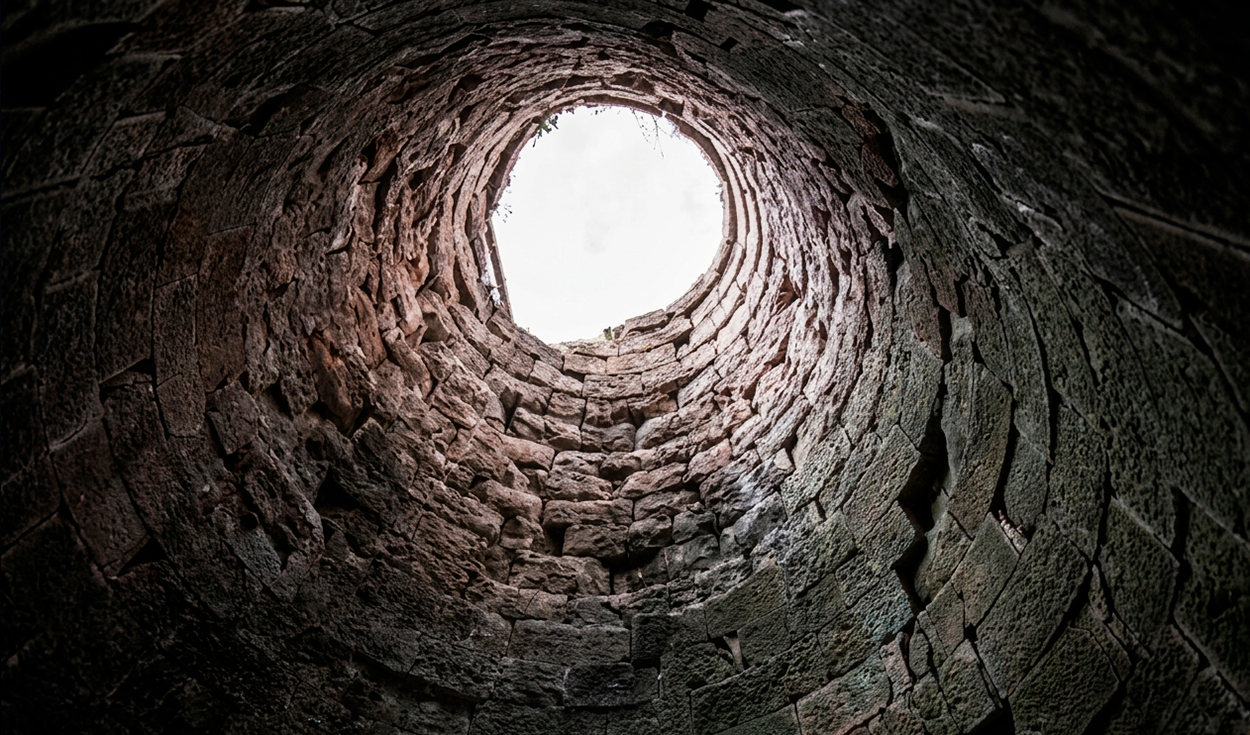
Archaeologists excavating the ancient Etruscan city of Kainua in Italy have discovered a 2,500-year-old ritual well containing bronze statuettes and human remains.
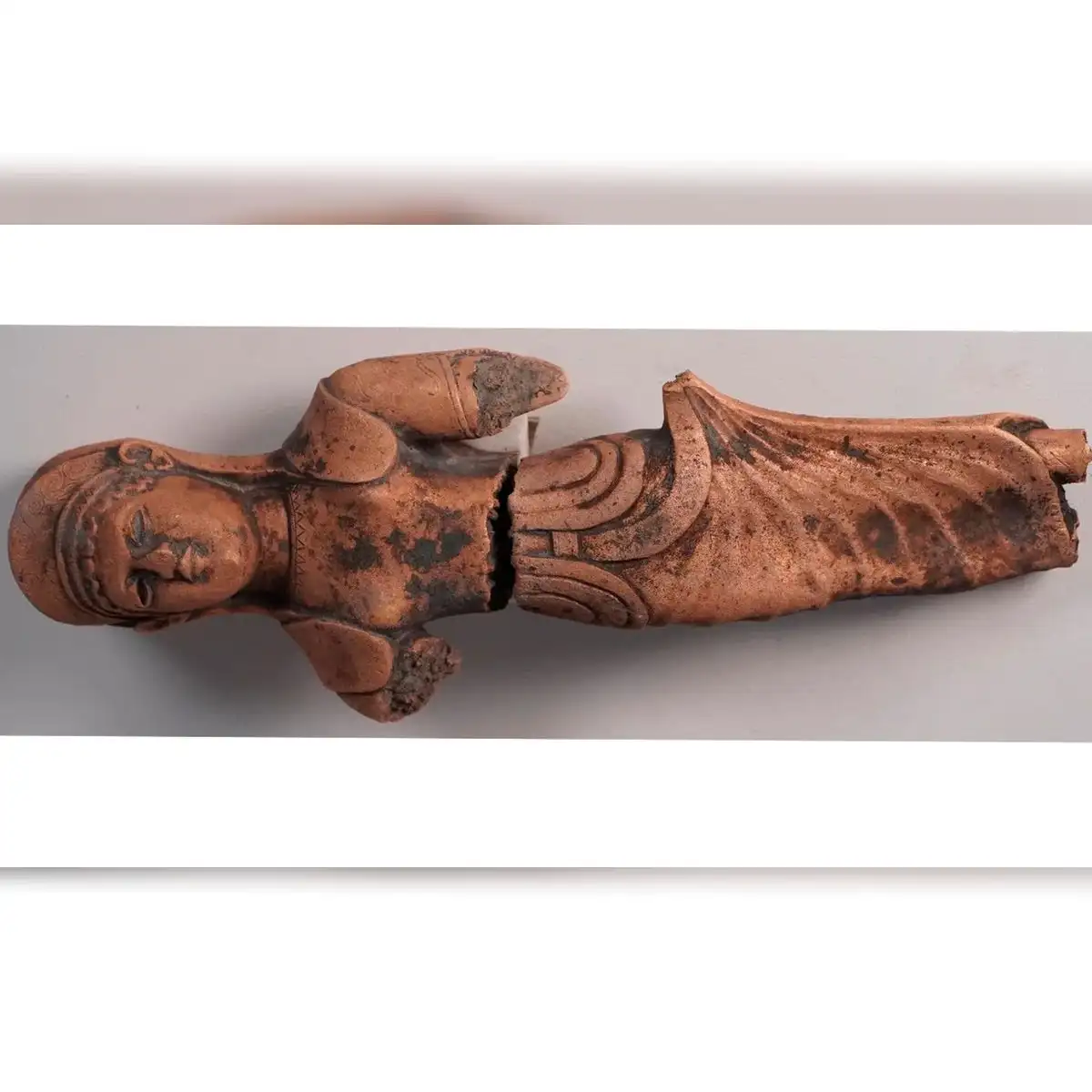
The shaft was uncovered near modern Marzabotto during the 2026 excavation season. Inside, researchers found two female bronze statuettes, a bronze plaque, and the adult skeletons of two people.
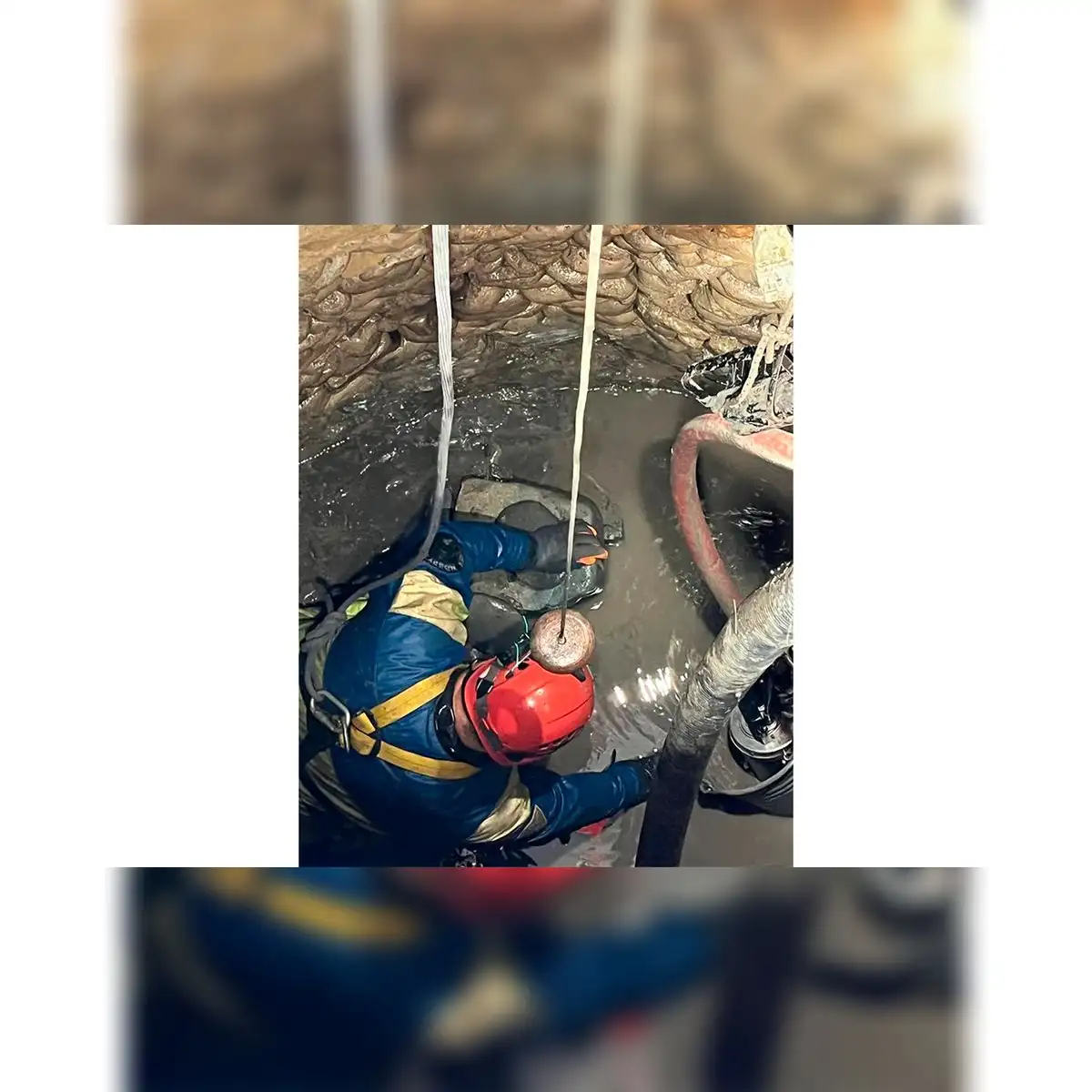
The fieldwork was led by the University of Bologna in collaboration with the Gruppo Ravennate Archeologico. Researchers reached the base of the well after extending their work by 14 days, an extra period that allowed them to explore an area not previously fully excavated.
Bronze artifacts preserved underground
The bronze pieces stand out for their extraordinary state of preservation. Despite remaining buried underground for approximately 2,500 years, the objects still retain much of their metallic appearance, according to an official statement.
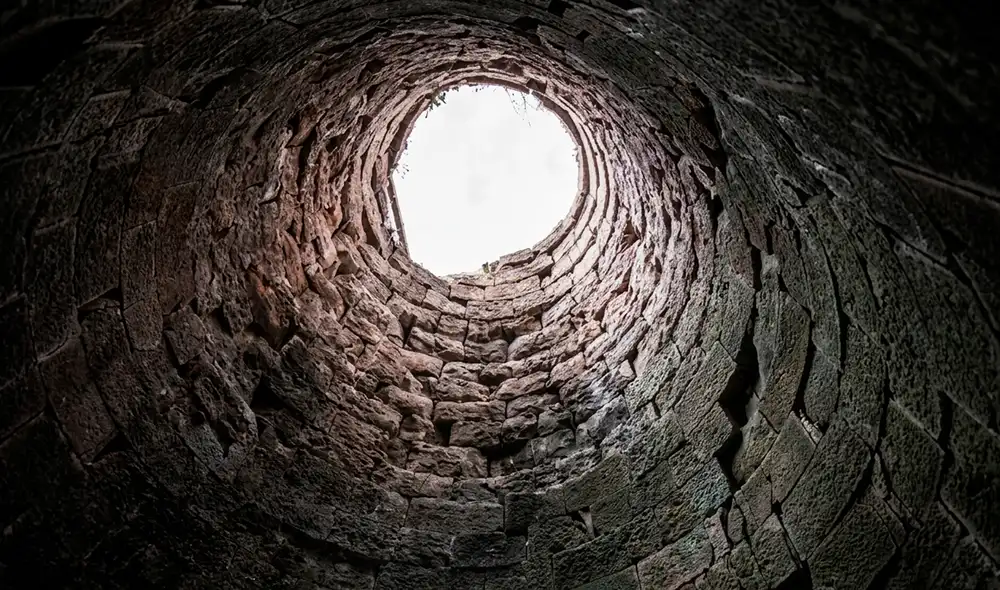
Researchers consider that the items were deposited intentionally as part of ritual practices linked to the founding of Kainua. Dating places the bronzes between the late sixth century BC and the early fifth century BC, matching the period when the city was established and began to develop.
Sacred district of Etruscan deities
The significance of the discovery is closely tied to the location of the well. It was situated within a sacred district of Kainua, near several spaces dedicated to the cult of major Etruscan divinities.
Two monumental temples stood in this area, with inscriptions connecting them to Tinia and Uni, two principal figures of the Etruscan pantheon. Tinia was regarded as the supreme god, often compared to Jupiter in Roman tradition, while Uni held a position broadly equivalent to Juno.
The archaeological context suggests that water played a role in the city's religious ceremonies. The well served a practical function, but the deposited items indicate it also acquired symbolic and ceremonial meaning.
Human remains at the well floor
The skeletal remains of two adults found at the bottom appear to correspond to a different time period than the bronze objects. Elisabetta Govi, the director of the excavation, suggested that the human bones could be linked to a ceremony closing the well.
However, researchers have not determined how the two people died, nor have they established that the individuals were victims of human sacrifice. Archaeologists noted that the remains must be interpreted with caution until laboratory analyses are completed.
Kainua's growth and trade network
Kainua was one of the primary Etruscan settlements in the Po Valley. Its development was favored by its location next to the Reno River and its connection to trade routes linking northern Italy with other regions of the peninsula.
The city stood out for its regular urban layout. Its streets, houses, workshops, and religious spaces were organized following a structured plan, influenced in part by urban models from the Greek world.
Commercial activity and metallurgy played major roles in Kainua. The settlement participated in exchange networks circulating iron and bronze, while local workshops contributed to artisanal production.
Kainua flourished for approximately two centuries. During the fourth century BC, the arrival and expansion of Celtic groups transformed the regional balance of power. The city was abandoned by the middle of that century, and portions of its spaces were later reused. Over time, the structures were covered, and Kainua largely disappeared from the historical landscape.
Excavation history and museum plans
Archaeological investigation at the site began in the 19th century. Since 1988, the University of Bologna has conducted regular excavation campaigns at the location.
These works have documented streets, dwellings, workshops, temples, and other structures, offering an exceptional view of Etruscan urban planning. Site preservation is especially valuable because it allows scientists to study the city as a complete urban complex rather than through isolated buildings.
The newly discovered shaft provides another perspective on how daily needs, water management, and religious beliefs interacted in Kainua. Recovered materials will undergo conservation and scientific analysis. Later, the artifacts could be incorporated into the National Etruscan Museum of Marzabotto, expanding knowledge of the ancient city and its ritual practices.