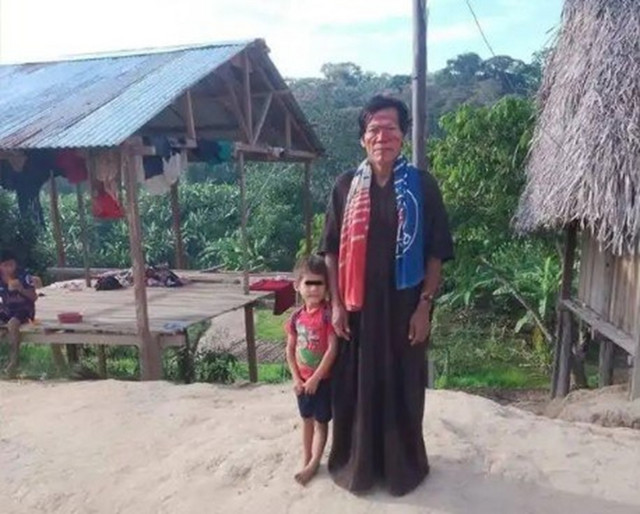
Peruvian Amazon indigenous leader Américo Pascual is alive, an indigenous advocacy group announced Wednesday, retracting earlier reports that he was murdered on Sunday.
The Regional Organization of AIDESEP Ucayali, known as ORAU, issued the correction after Peruvian public television broadcast a video showing the 57-year-old community leader safe at his residence.
In the televised broadcast, Pascual said that despite public reports claiming he had died, he was alive and remaining calm at home. ORAU, an umbrella organization representing around 20 indigenous tribal groups, confirmed that Pascual was safe and staying with his family.
Conflicting Reports And Deleted Statements
The announcement reversed information released by ORAU earlier in the week. The group had stated on Tuesday that the environmental defender was shot on Sunday during a security patrol on his community's land following an encounter with third parties.
Following the initial report, Peru's Ministry of Culture published an official message on social media condemning the activist's murder. The ministry deleted the post on Wednesday after the video of Pascual emerged.
To verify the situation on the ground, a delegation of indigenous representatives traveled to the remote Yurúa region in the eastern department of Ucayali, an isolated territory in the Peruvian Amazon near the border with Brazil, where Pascual leads an Asháninka community.
Escalating Threats In The Peruvian Amazon
The false report highlights the ongoing security crisis facing leaders who oppose environmental destruction in Peru. Activists who denounce illegal logging, land grabbing, and forest exploitation face frequent death threats and violent attacks in timber-rich Amazonian territories.
The Asháninka are among the largest indigenous peoples in Peru's rainforests, often serving as primary protectors of communal lands against illegal resource extraction.
According to data from Global Witness, an international human rights and environmental advocacy organization, at least 62 environmental defenders were murdered in Peru from 2012 to 2024. More than half of those killed, totaling 35 individuals, were members of indigenous communities.