An exhibition commemorating the centenary of Peruvian sculptor and painter Amelia Weiss opened at La Galeria in San Isidro, displaying her lifelong work across bronze, resin, acrylic, and canvas.
The retrospective, titled The Century of Amelia Weiss, runs from September 9 to October 3, 2026, at the gallery located on Calle Conde de la Monclova 255 in the district of San Isidro in Lima. Visitors can view the exhibition Monday through Friday from 11.00 a.m. to 7.00 p.m. and Saturdays from 3.00 p.m. to 7.00 p.m.
Writing in an opinion column published on September 22, 2026, guest columnist Czar Gutierrez described Weiss as an artist who built a universe of metal, synthetic materials, and paint focused on animals and human forms. Gutierrez noted that Weiss navigated Peruvian modern art through an obstinate, sensual, and playful approach to figuration that turned historical continuity into pure artistic invention.
Bronze and traditional sculpting processes
During a period when abstract art gained dominance across Peruvian sculpture and artistic breaking points were viewed as a moral imperative, Weiss remained committed to figurative representation. Gutierrez emphasized that her persistence in figuration never resulted in immobility or rigid styling.
Her sculptural process began in raw clay, an intimate tactile stage where initial form took shape. This phase was followed by mold making, casting, founding, and waiting for the metal to set.
Bronze emerged as a second life for her models, hardened by fire and altered through chemical patinas applied to the metal surface. These patinas created a chromatic memory featuring deep blacks, mineral greens, and golden tones reminiscent of imagined antiquity.
Her bronze works maintained a quiet dialogue with classical traditions while depicting bodies shaped by modern artistic sensibilities. Among the featured pieces is Torso femenino, a bronze sculpture finished with a black patina.
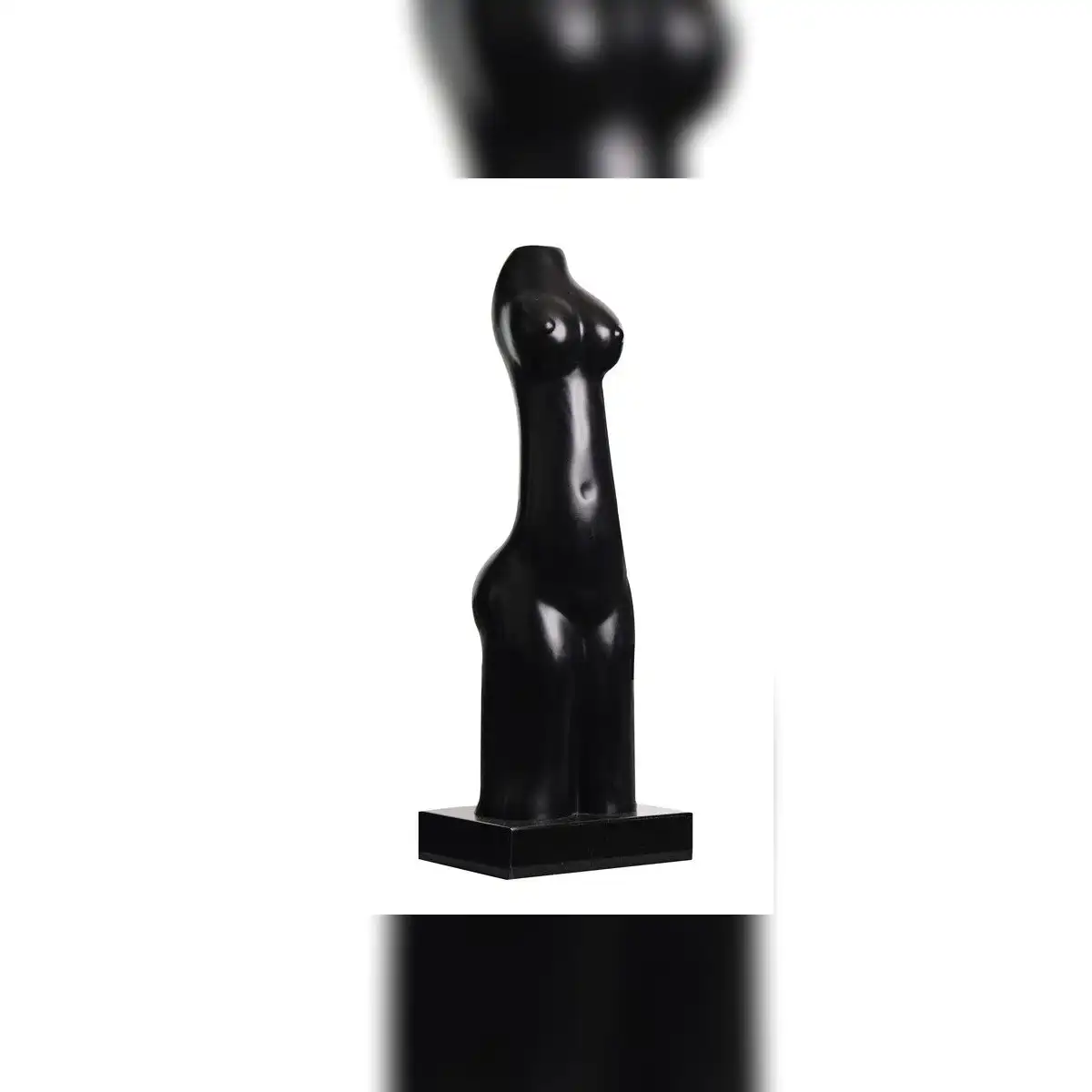
The exhibition also highlights Duo gatuno, a bronze work depicting two cats extending their tails in wide arcs that form a continuous visual script in the air. The piece demonstrates her ability to balance compact volume with spatial expansion.
Synthetic materials and liquid acrylic carving
Alongside traditional metalworking, Weiss incorporated synthetic materials such as polyester resin and liquid acrylic into her sculptural practice. While bronze represented weight and permanence, synthetic media allowed her to introduce optical lightness, transparency, and vibrant color.
To work with liquid acrylic, Weiss allowed the material to remain inside containers for several months until it solidified into a solid block. She then carved the block to match the exact dimensions of her model.
Her polyester resin sculptures were pigmented internally, transforming physical volume into a luminous structure. Through this technique, synthetic material served as a central element of the artistic statement rather than a simple structural support.
This combination of archaic founding methods and synthetic materials defined her body of work. Her figures maintained compact unity while their outer contours suggested movement beyond physical boundaries.
Human anatomy and nude paintings
Weiss reduced human figures to primary anatomical masses in her sculptures, emphasizing torsos, backs, bellies, thighs, and chests. This approach sought an anatomical essence prior to detailed ornamentation.
In her paintings, particularly her female nudes, this simplification adopted a different color palette. Orange and reddish bodies contrast with backgrounds of green, blue, violet, and yellow.
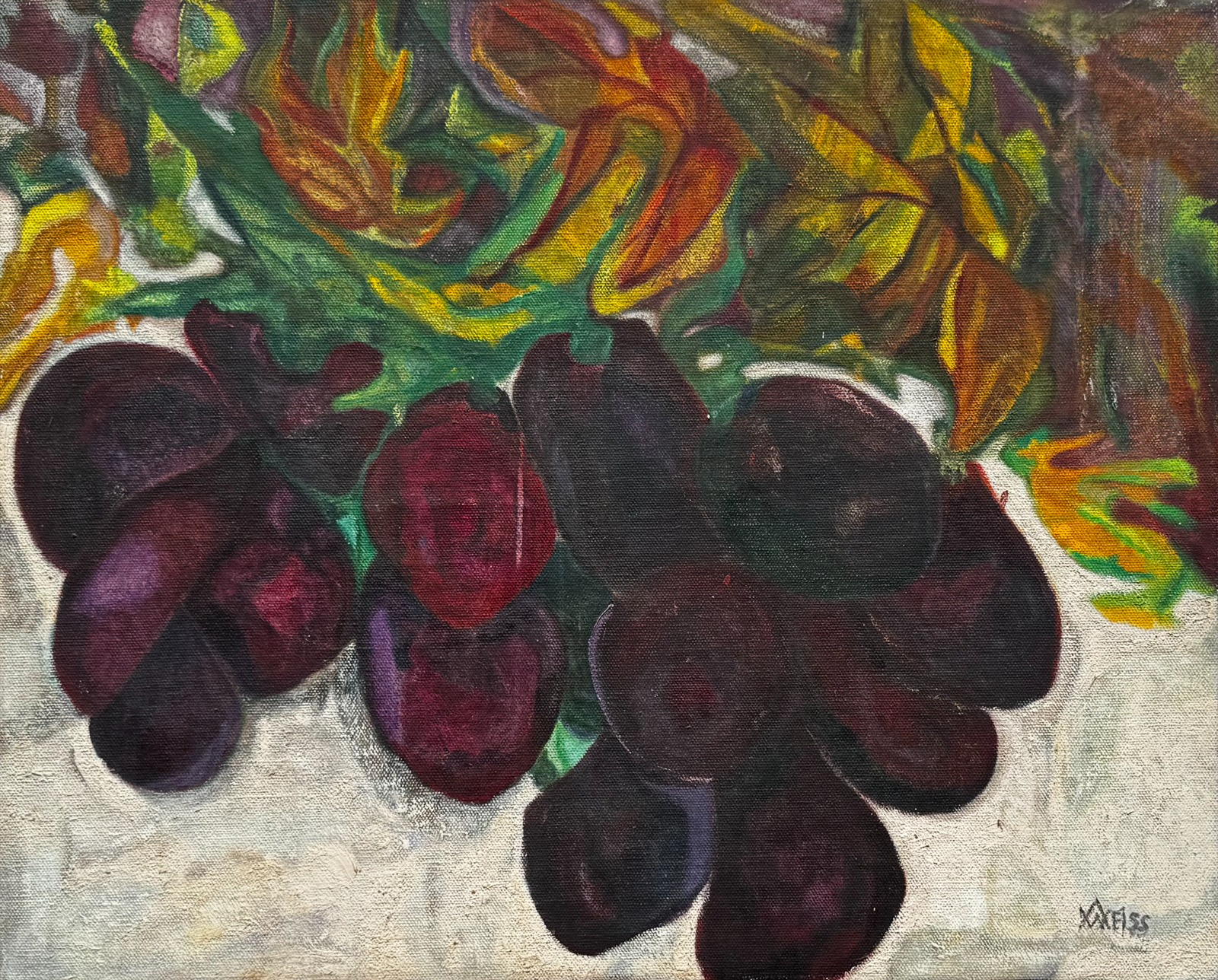
Her painted figures interact closely with objects, fruit, pitchers, and domestic settings, creating erotic tension through overlapping curves, chromatic contrast, and spatial proximity. Among these canvases is Bodegon con racimo de uvas, an oil painting depicting a still life composition with grapes.
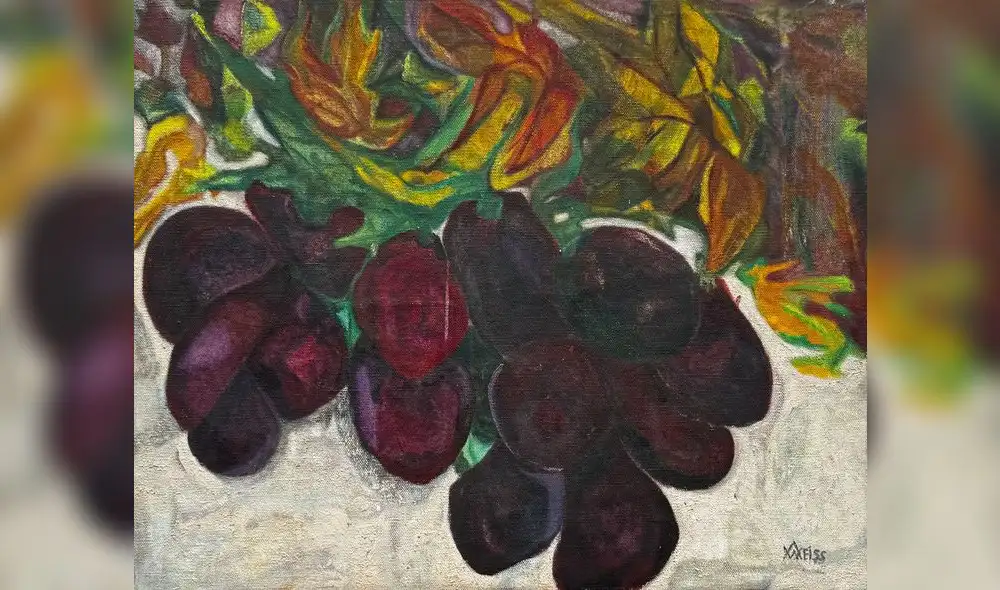
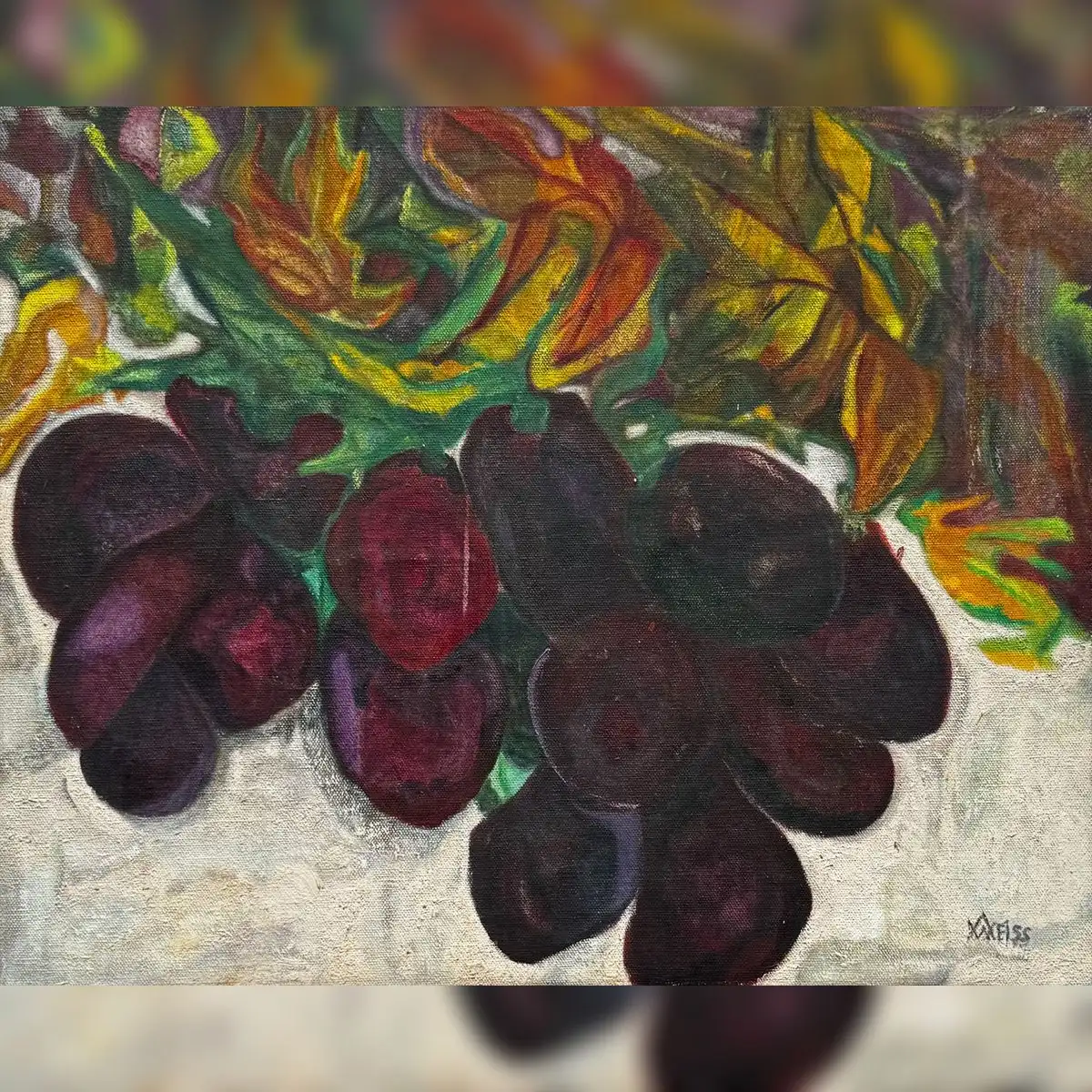
The imagery across her paintings and sculptures forms a domestic mythology centered on recurring motifs, including women, cats, fruit, pitchers, horses, and youthful figures.
Art historical theories and San Isidro studio
Gutierrez noted that the work of Weiss can be interpreted through major frameworks in art history. The iconological approach of Erwin Panofsky provides a framework for analyzing her imagery from basic description to cultural meaning, while Ernst Gombrich offered tools to examine how she modified formal schemas through repeated correction.
The persistent vision of Weiss aligns closely with the concept of Kunstwollen introduced by Austrian art historian Alois Riegl. This concept describes an inner formal will that drives an artist across different materials and decades without submitting to changing historical trends.
Her studio house in San Isidro functioned as a self-contained creative workspace where figures, animals, and mythological forms were modeled. In that environment, domestic routines were transformed into continuous creative work.
Weiss was born in 1926 and died in 2002. Gutierrez concluded that she reshaped artistic tradition without destroying it, achieving modernity by modifying traditional forms through direct engagement with materials.
Opinion desk context and recent coverage
The analysis of the work of Weiss formed part of the broader opinion coverage published in La Republica on September 22, 2026. The print issue recapped Gutierrez's piece on her figurative sculpture and painted works.
In another column published earlier that morning, writer Diego Alonso Sanchez addressed an ongoing investigation into alleged sexual assault involving students at Liceo Naval Almirante Guise. Sanchez reported that an alleged assault against a 16-year-old student led authorities to intervene with eight pupils, prompting calls for educators and parents to strengthen school safety.
Recent commentaries in the publication also covered international policy and education. Former diplomat Oscar Maurtua de Romana analyzed Peru's position on the High Seas Treaty, set to take effect on January 17, 2026, to regulate marine genetic resources and protected ocean zones.
Economist Santiago Roca published an analysis on September 14 concerning the proposed bioceanic railway corridor connecting Brazil and China, outlining strategic measures available to the Peruvian government.
Educational challenges facing Peru were addressed by Flor Pablo Medina in a column on the upcoming PISA 2025 assessments. Medina highlighted systemic problems in national education, noting that eight million Peruvian citizens have not completed secondary school alongside high rates of informal employment across the labor force.