Energy advisor Álex Bermúdez has stated that running air conditioning overnight can cost less than a morning cup of coffee in Spanish households. His calculations, reported by consumer portal Tododisca, show that operating modern cooling equipment continuously at a moderate temperature consumes far less electricity than many consumers fear.
However, energy specialists emphasize that overnight running costs vary significantly depending on power output, equipment efficiency, electricity tariff rates, and how much heat enters the home. Bermúdez recommends setting thermostats between 23 and 25 degrees Celsius, calculating that every single degree below that range increases energy consumption by 6% to 8%.
High electricity costs remain a major concern for householders across Spain. According to a recent climatisation barometer survey, six out of ten Spaniards use their air conditioning systems less than they would prefer due to financial anxiety over monthly utility bills.
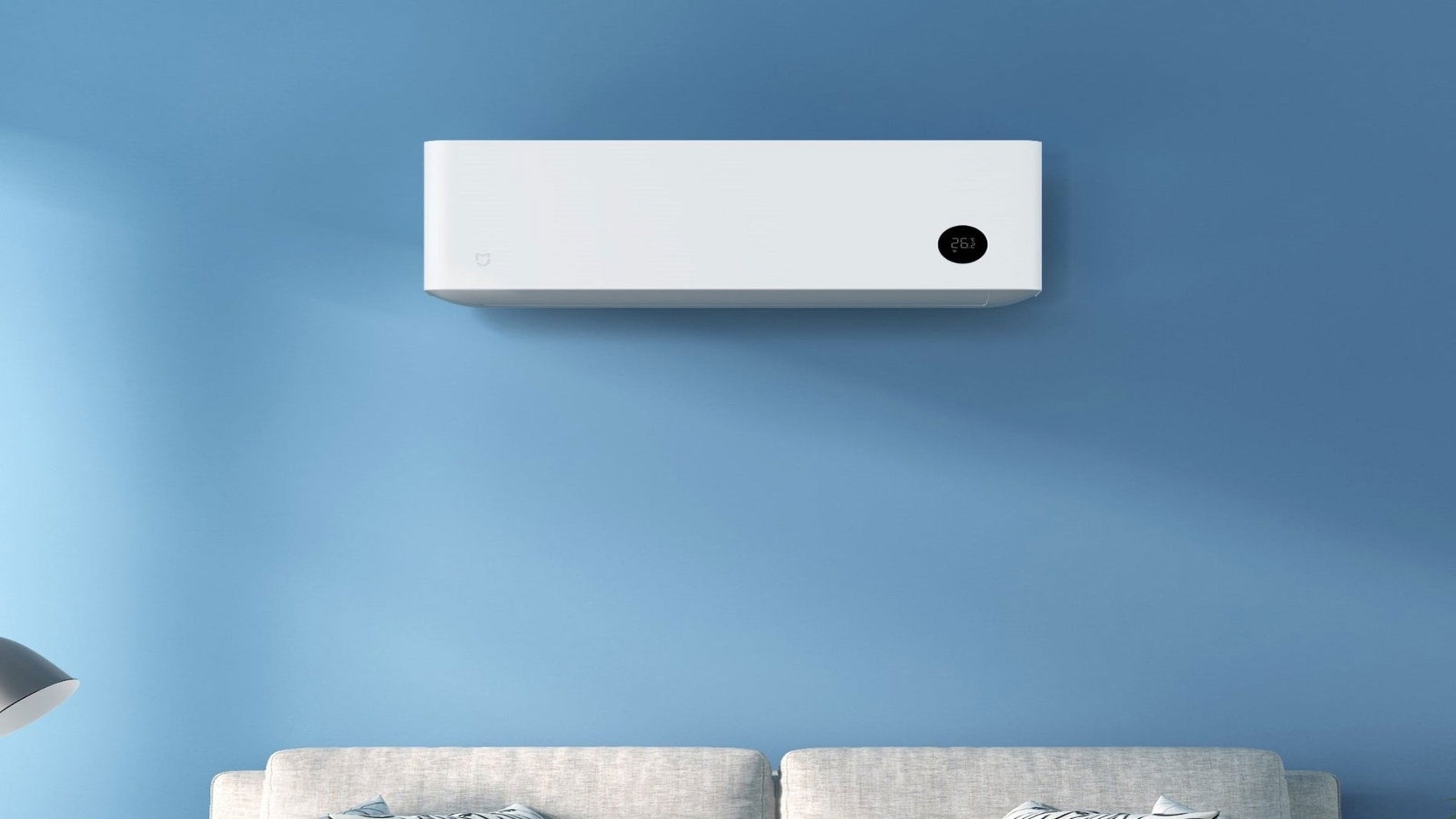
Inverter technology and temperature modulation
Technicians attribute lower overnight electricity bills primarily to modern inverter technology, which has fundamentally changed how residential cooling systems consume power. Unlike traditional fixed-speed air conditioners that continuously switch off and on at full power, an inverter compressor scales down its motor speed once the room reaches the selected temperature, maintaining a stable climate with reduced electrical output.
In a home that is effectively insulated against outside heat, the maintenance phase requires substantially less effort than repeatedly cooling down a reheated room. Energy experts note that allowing an inverter machine to modulate its power automatically is far more sensible than turning the unit off at the first sign of cold and restarting it when muggy heat returns.
Mechanic Juan José Ebenezer also advised against cutting off air conditioning equipment every few minutes. He emphasized that recommendations for continuous operation apply specifically to periods of occupancy, warning that keeping an empty dwelling cold for long periods means paying for comfort that no occupant enjoys.
Common mistakes with thermostat settings
Climatisation technician José María Rey stated that many consumers do not know how to operate air conditioning correctly. He explained that constantly adjusting remote control settings can turn out to be an expensive mistake for homeowners.
A widespread misstep involves dropping the thermostat to extreme settings such as 16 degrees Celsius. Lowering the setpoint to 16 degrees does not force the unit to expel colder air or reach a comfortable temperature any faster. Instead, it prolongs maximum compressor activity while pursuing a target that is extremely difficult to achieve during warm summer nights.
Every extra degree of difference between indoor and outdoor temperatures increases the workload on the compressor. When external temperatures remain high after dark, maintaining a moderate gap prevents excessive power consumption and keeps electricity bills under control.
Impact of home insulation and orientation
Climatisation technician Carlos Llull highlighted that the underlying challenge in residential cooling is how much heat enters the dwelling. Structural insulation, building materials, and room orientation play decisive roles in how long an air conditioner must run.
West-facing bedrooms and living spaces pose a significant cooling challenge because external walls, ceilings, and interior furniture absorb radiant heat throughout the afternoon. After the sun sets, these structural elements continue radiating stored thermal energy into the room for hours.
Preventative measures can substantially lighten the workload supported by the compressor. Keeping blinds lowered, extending exterior awnings, keeping windows closed during hot daytime hours, and ensuring air filters remain clean all help reduce internal heat gain.
When outdoor air becomes cooler during late night hours, strategic ventilation can save more electricity than repeatedly tweaking the remote control. Ultimately, building insulation dictates much of the final energy outcome.
Calculating real costs and using sleep modes
To determine the actual financial cost of running air conditioning overnight, homeowners should examine the appliance's absorbed power rating or measure electricity consumption directly. Measurements can be taken using internal diagnostic systems built into modern units or through compatible external power meters.
The basic cost calculation involves multiplying the total kilowatt-hours consumed by the effective electricity tariff rate per kilowatt-hour. Because energy prices vary depending on specific utility contracts and billing periods, total overnight expenses will differ from house to house.
On humid summer nights, activating the appliance's Dry mode can reduce mugginess and improve comfort without overusing cooling power. While dehumidification lowers the sensible temperature felt by occupants, experts caution that Dry mode does not completely replace standard cooling mode in all conditions.
Programmable timers and dedicated sleep modes offer additional tools for managing overnight consumption. Depending on the model, sleep functions gradually raise the temperature setpoint or lower airflow during early morning hours when ambient heat naturally diminishes.
Consumers should consult their user manuals before enabling automated timers or sleep settings, as manufacturers program different operational logic into their devices. Choosing the correct function depends on the appliance itself and whether the primary issue in the bedroom is temperature, high humidity, or operating noise.
While the comparison to a morning coffee reassures householders that reasonable air conditioning use is affordable, it does not guarantee an identical cost for every property. Keeping doors closed, selecting a moderate setpoint, and using power-modulating equipment will contain costs, but if a house loses its stored cool air, electricity consumption starts accumulating long before bedtime when the sun heats surrounding walls and windows.