Colombian President Abelardo Gabriel de la Espriella y Otero has transferred 20 high-security prisoners from Barranquilla to Bogota in a public display of his security policy.
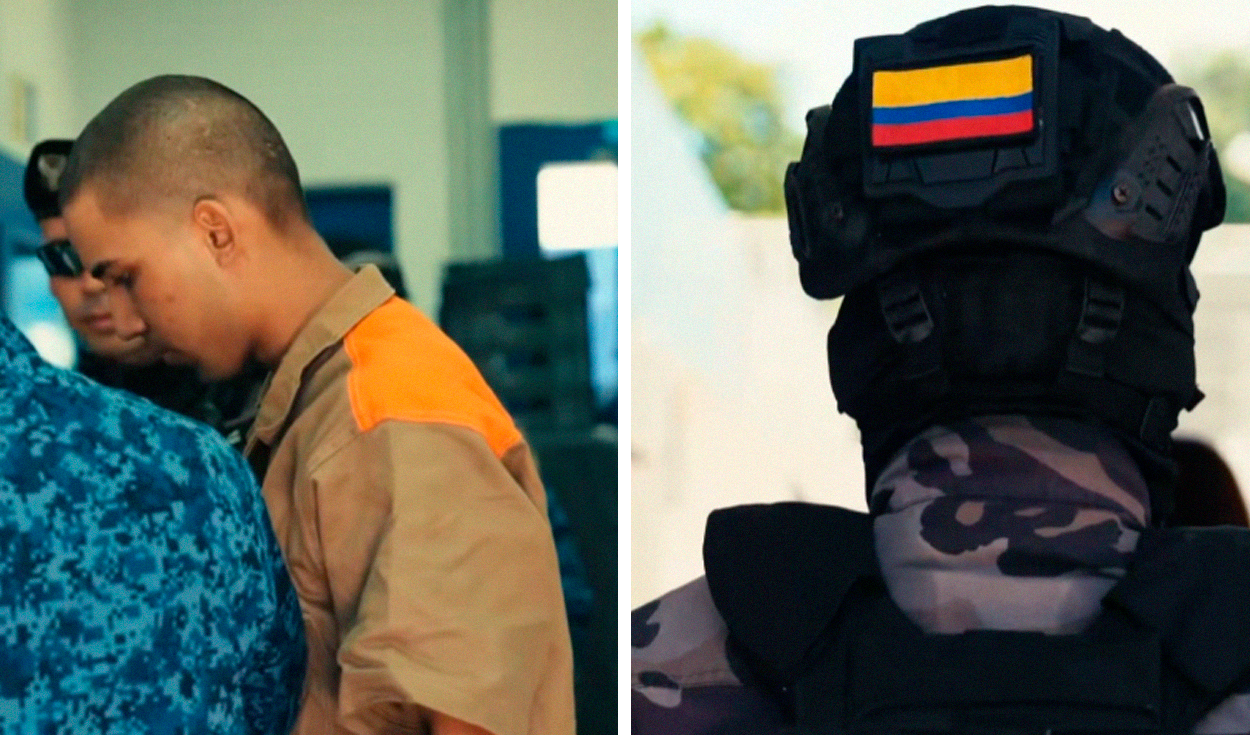
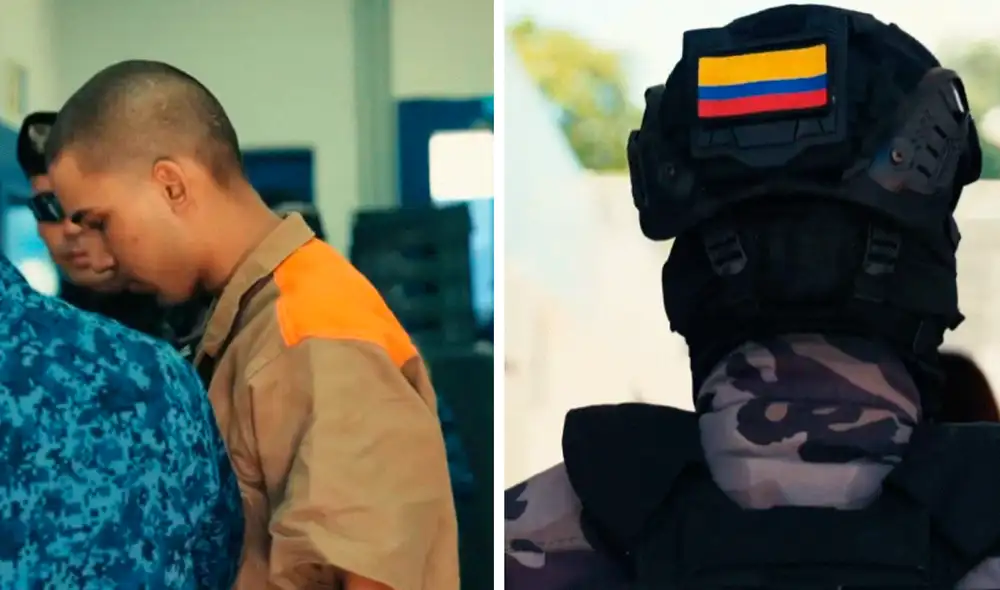
The inmates were removed from penitentiaries in the Caribbean port city of Barranquilla and flown to the capital, Bogota. Images released by the president showed the prisoners with shaved heads, wearing standard prison uniforms, and bound in handcuffs and leg irons.
Members of the Special Operations Group of the National Penitentiary and General Prison Institute, known as INPEC, escorted the prisoners while equipped with long firearms and body armor.
Colombian authorities reported that the detainees will remain temporarily in Bogota before being relocated to various penitentiary facilities across the country. The group includes members of Los Pepes and Los Costeños, two criminal organizations blamed by law enforcement for running widespread extortion rackets and drug trafficking operations in Barranquilla.
Barranquilla, the main economic hub of Colombia's northern Caribbean coast, has seen intensified criminal violence linked to rival gangs competing for control of local extortion networks and narcotics transit routes.
Prison control and security policy
The transfer forms part of a broader security strategy centered on establishing state authority over the country's penal system. De la Espriella argued that prisons must no longer operate as command centers where criminal syndicates direct extortion, threats, and violent crimes across Colombia.
Speaking on the operation, De la Espriella said that while he remained president, criminals would not set their own rules, adding that the state, authority, and the law held power in Colombia.
Government figures show that more than 400 incarcerated individuals have been moved to different penitentiaries during the first three weeks of De la Espriella's administration. The president began his security push shortly after taking office by ordering the relocation of 117 inmates from a prison in Itagüí to maximum-security facilities.
Itagüí, located in the department of Antioquia near Medellin, houses major correctional facilities that have long struggled with prison overcrowding and gang leadership operating from within cellblocks.
24-hour operations and law enforcement results
Along with the inmate transfers, the Colombian executive released a balance of law enforcement results covering the preceding 24 hours. Security forces captured 51 people, seized 14 firearms and 317 rounds of ammunition, and destroyed seven clandestine laboratories used for processing coca base paste.
Coca base paste is the raw chemical intermediate extracted from coca leaves before being refined into pure cocaine, a trade long exploited by illegal armed groups in rural and urban Colombia.
Since De la Espriella assumed power on August 7, security forces have logged 8,424 arrests, targeted 21 criminal gang leaders, and confiscated 31,174 kilograms of narcotics, including 13,669 kilograms of cocaine.
Influence of El Salvador security model
The visual presentation of the prisoner transfer generated direct comparisons with the penitentiary methods of President Nayib Bukele in El Salvador. The shaved heads of the inmates, identical uniforms, and heavily armed guard presence mirrored imagery produced at El Salvador's Terrorism Confinement Center, known as CECOT.
Bukele's security crackdown in Central America has relied on massive detention facilities and strict confinement protocols, which have attracted international attention and become a popular reference point for conservative security platforms across Latin America.
De la Espriella explicitly cited the Salvadoran approach during his election campaign, proposing the construction of 10 mega-prisons in remote areas of Colombia to house the country's most dangerous criminals.
Because the construction of large-scale prison complexes requires substantial financial resources and extended logistical planning, the administration has focused its initial efforts on rapidly executable measures such as mass transfers and high-profile security sweeps.