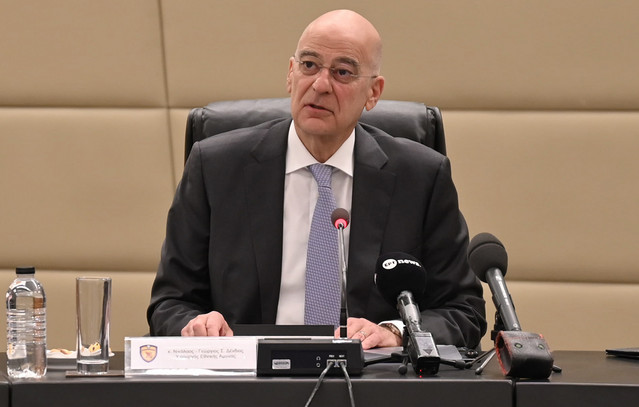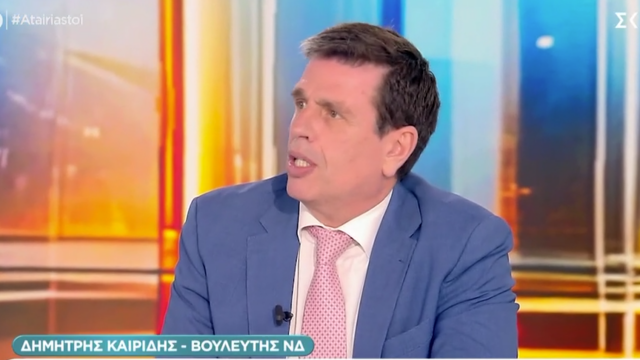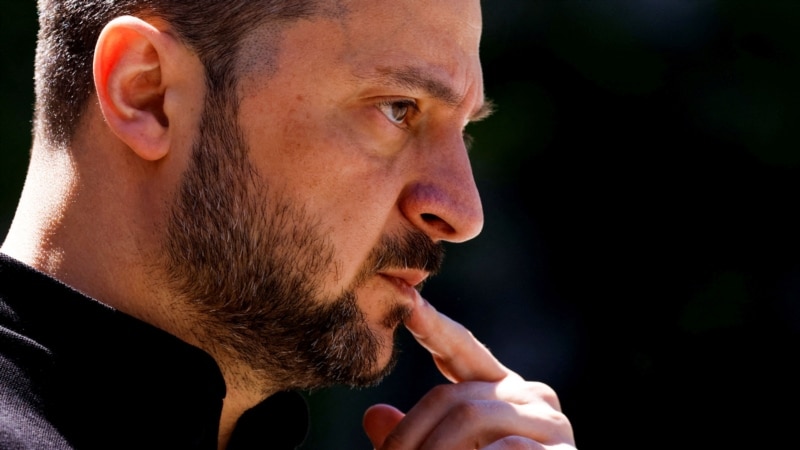
Ukrainian President Volodymyr Zelenskyy has revealed that a severe conflict between former Defense Minister Mykhailo Fedorov and former military chief Oleksandr Syrskyi led to their removals, stating that leadership at such a high level cannot tolerate internal strife.
Speaking about the leadership clash, Zelenskyy explained that friction stemmed from overlapping responsibilities between military commanders managing battlefield operations and the defense ministry handling supply and logistical support.
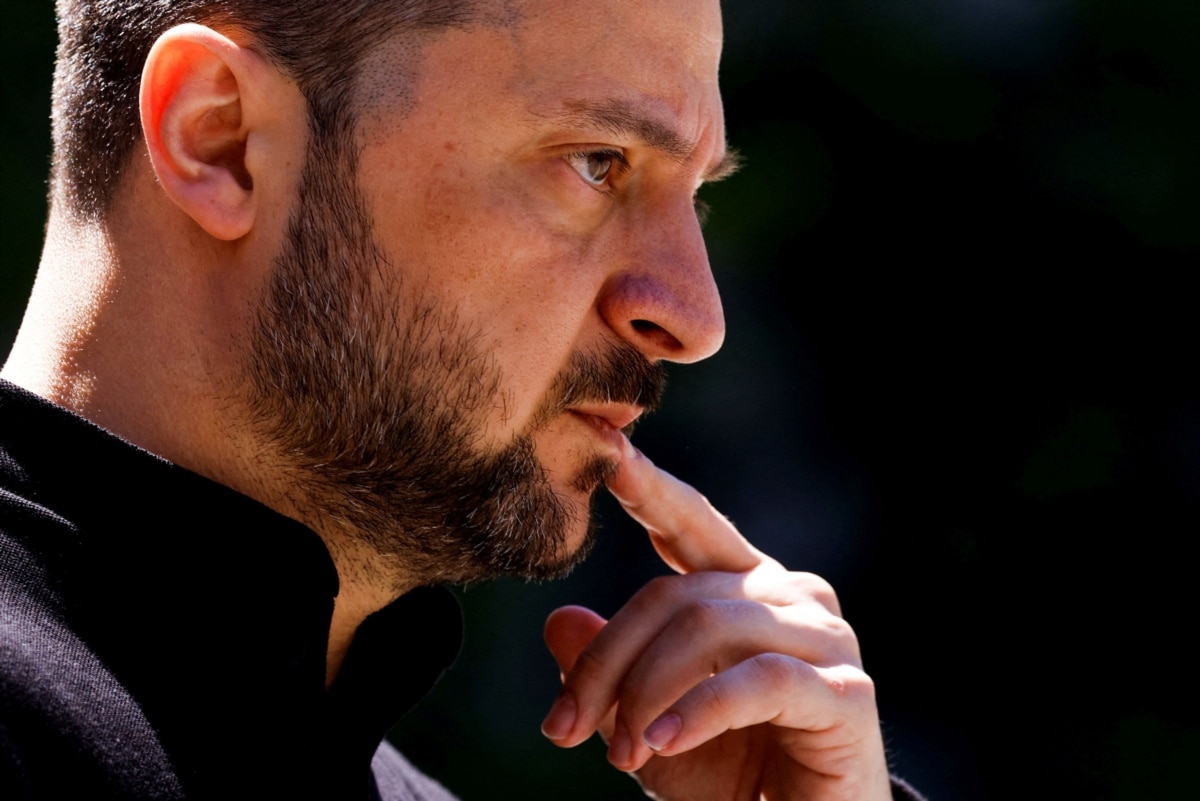
According to Zelenskyy, an agreement on the division of authority was established at the start of Fedorov's tenure as defense minister. However, tension mounted after a presentation was delivered proposing the creation of a ministry of war, a structure that would have placed the Chief of the General Staff under the direct authority of the Ministry of Defense.
Zelenskyy stated that he urged the minister to abandon the reorganization plan, but Fedorov subsequently attempted to implement the idea through alternative means. In response, Syrskyi countered the administrative push with his own bureaucratic measures, according to the president.
Division of military authority
In Ukraine's wartime governance system, the Ministry of Defense oversees administrative management, defense policy, procurement, and military supply logistics, while operational command of troops on the frontline rests with the Commander-in-Chief of the Armed Forces. The President of Ukraine serves as Supreme Commander-in-Chief and submits top defense appointments to parliament.
Fedorov had previously served as Ukraine's Minister of Digital Transformation, gaining international attention for integrating modern drone technology and digital administration into the defense sector. Syrskyi was appointed Commander-in-Chief after leading key defense campaigns as commander of Ukrainian ground forces.
As the dispute escalated, Fedorov and Syrskyi effectively stopped communicating directly with one another. Zelenskyy noted that the two senior officials would only discuss government matters during joint meetings held inside the president's office.
Two weeks before final decisions on personnel changes were taken, Zelenskyy offered both men an opportunity to resolve their disagreements independently. He suggested that they meet and reach a mutual agreement, but no reconciliation took place.
Meeting and dismissal proposals
Zelenskyy recounted a private meeting with Fedorov held shortly before the president was scheduled to meet with Ukrainian parliamentarians. During the discussion, Fedorov suggested that if changes were necessary, Zelenskyy should honestly dismiss both officials. Zelenskyy replied that both would indeed be removed, but sequentially.
Following the decision to relieve Fedorov of his ministerial post, Zelenskyy offered him four different roles to remain part of the state leadership team. Zelenskyy remarked that he rarely meets with an official four separate times to offer alternative employment. Fedorov turned down all four offers, a choice Zelenskyy said was the former minister's decision to make.
Protests and cabinet decisions
Public attention surrounding the cabinet changes intensified on July 16, following media reports that Zelenskyy would not submit Fedorov's nomination for defense minister in the incoming government. The decision triggered public protests, prompting Zelenskyy to clarify that the primary motive behind Fedorov's removal was the ongoing conflict with Syrskyi.
Zelenskyy emphasized that when one leader encroaches upon another's sphere of responsibility, conflict becomes inevitable, confirming that the breakdown in relations between the military command and the defense ministry ultimately necessitated the leadership changes.