A study by the Universidade Federal do Rio Grande do Sul, published in August 2026, found signs of gaming disorder risk in 3.4% of people who had played video games in the previous month. Extrapolated to the Brazilian population aged 14 and older, that works out to roughly 1.3 million people, though researchers describe the figure as a warning sign rather than a confirmed diagnosis.
Juliana Gois, a psychologist and neuropsychologist who works as an educational adviser for learning support at Colégio Rio Branco, said the point of concern is not the game itself but the moment it begins disrupting everyday activities such as family meals, school routines, sleep and social life.
According to Gois, simply spending many hours enjoying a game is not enough on its own to indicate a disorder. What matters, she said, is whether the pattern repeats over time and resists any attempt to set a limit.
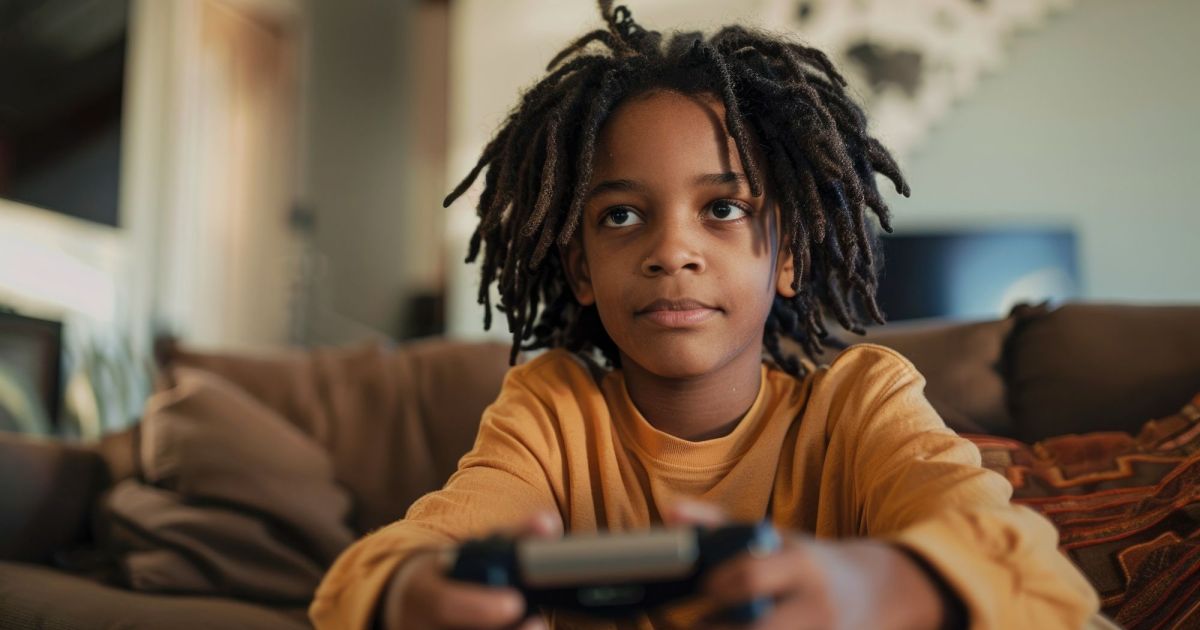
Parents of teenage gamers have grown used to a familiar line when asked to stop playing: they finished the game but have not fully completed it yet. It is the excuse used to turn down an invitation to go out, put off homework or push back bedtime. For children and teenagers, video games can also mean leisure, conversation with friends and, depending on the title, a form of learning. Problems begin when gaming starts taking over the space of important activities and young players lose the ability to simply stop when they should.
Warning signs gaming has gone too far

Certain behaviors signal that gaming has crossed a line, according to experts. The first is difficulty switching off: continuing to play even as food goes cold or tiredness sets in, and reacting badly when asked to stop. On its own, this means little; the concern is when it becomes a pattern.
Another sign is a shift in daily routine. Activities that were once enjoyable, such as sports, time with friends, family plans and even doing nothing at all, gradually give way to gaming, often without anyone noticing exactly when it started. The more of these areas gaming occupies, the greater the reason for concern.
School performance can also be a signal, though the link between heavy gaming and worse grades is not automatic. Some teenagers play for hours and still keep up with everything. The worry arises when gaming repeatedly cuts into commitments until it stops competing with the daily routine and starts running it.
Gois said that gaming sometimes serves a function for teenagers, who may use it to avoid social interaction or to escape difficult situations such as bullying or learning difficulties. In those cases, simply cutting off access to the game without understanding the reason behind it rarely solves the underlying problem.
The solution is not found on a clock, according to the report. A whole afternoon spent gaming may not be a problem for a teenager who sleeps well, studies and keeps up with friends, while even a shorter session can be concerning if it replaces what used to be part of the routine. The UFRGS study backs this up: the factors most closely associated with risk were moderate to severe depressive symptoms and frequent anxiety, not the amount of time spent playing.
Rules that actually work with kids

Two simple changes can make a difference, experts say. The first is setting rules before the next gaming session begins, not in the middle of a meltdown. Deciding on playing hours, tech-free periods and non-negotiable commitments in advance turns the arrangement into routine rather than a fresh negotiation every day.
Beyond controlling time, parents also need to understand what their child is playing, without necessarily playing alongside them. Asking how the game works, how interactions with other players function and whether it includes in-game purchases can reveal risks that a stopwatch alone cannot.
Gois also recommends that families preserve spaces where gaming does not enter, not to treat it as an enemy but to make sure it remains one activity among many. Clear, consistent, age-appropriate rules make it easier to notice when something is off balance.
It is normal for a change in rules to trigger initial resistance such as irritation, negotiation or complaints, Gois said, and that alone is not a sign of a disorder. The conversation changes, however, when the reactions are especially intense and persistent, and come with problems the family can no longer resolve on its own.
In those cases, it is worth seeking professional help, since a psychologist, pediatrician or school can help distinguish ordinary resistance from a more serious sign, Gois said. She explained that a child tends to react badly because that behavior has worked before. If parents give in to the irritation, she said, it becomes increasingly difficult to set any kind of limit afterward.