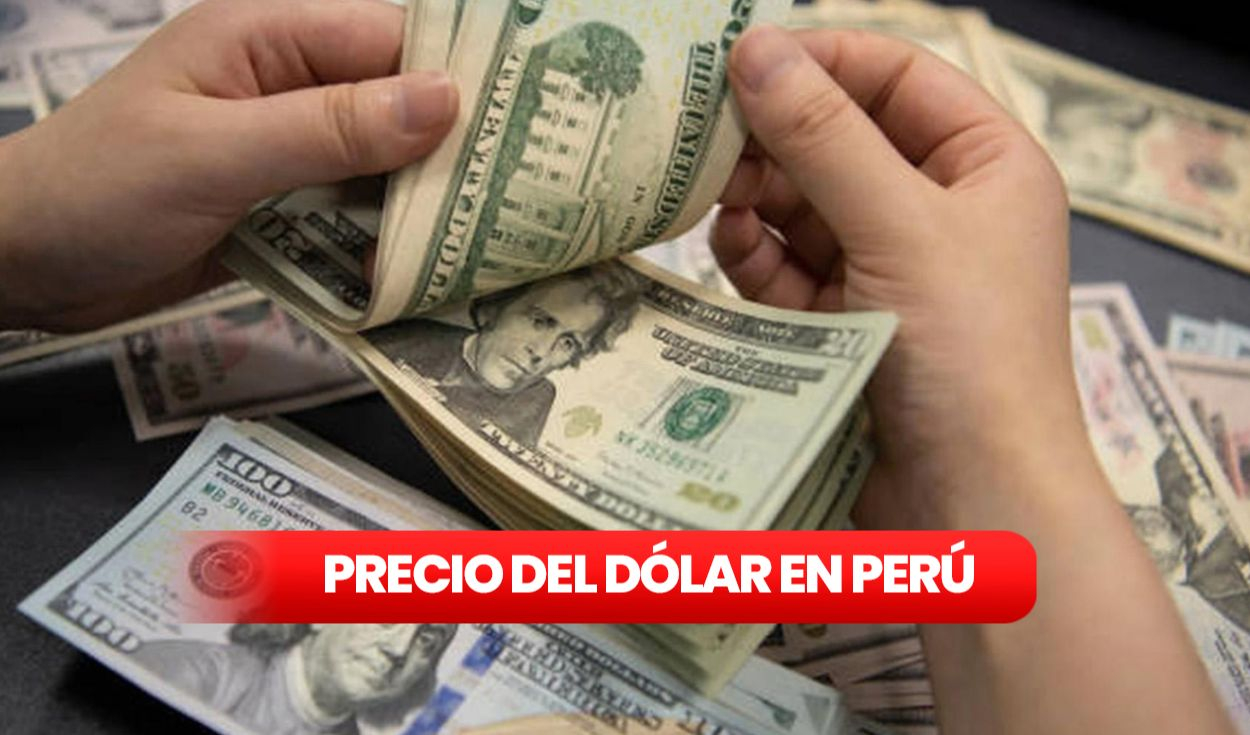
The United States dollar opened at S/3.415 for purchase and S/3.440 for sale on Peru's parallel currency market on Saturday, November 7, 2026.
According to preliminary market data recorded by Bloomberg, the American dollar began Saturday morning trading at an opening level of S/3.4242. The parallel market, where street changers and private exchange houses operate across Peruvian cities, maintained a narrower spread between buying and selling prices than the country's commercial lenders.
The Peruvian sol, denoted by the currency symbol S/, serves as the national legal tender regulated by the Central Reserve Bank of Peru. In Peru, foreign currency trading is legal across both formal institutions and the informal parallel market, where physical dollars circulate widely among consumers and commercial businesses seeking fast over-the-counter exchanges.
Exchange rates across commercial banks in Peru
Major commercial financial institutions across Peru published broader margins between their buying and selling rates on Saturday. Banco de Crédito del Perú, the nation's largest commercial bank, quoted the dollar at S/3.525 for purchase and S/3.540 for sale. Interbank, one of the country's primary retail banking groups, posted a buying rate of S/3.493 and a selling rate of S/3.576.
Scotiabank Peru listed a purchase rate of S/3.519 and a sale rate of S/3.558. BBVA quoted S/3.468 for purchase and S/3.608 for sale, recording the highest selling price among private commercial lenders. Banco de la Nación, Peru's state-owned bank that provides financial services to public sector employees and government agencies, offered a purchase price of S/3.480 and a sale price of S/3.600.
Tax agency benchmark and accounting regulations
The National Superintendency of Customs and Tax Administration, known by the Spanish acronym Sunat, published an official reference exchange rate of S/3.427 for purchase and S/3.433 for sale. Sunat's daily rate serves as the standard regulatory reference for tax calculations and corporate accounting operations that involve foreign currency transactions.
The tax administration pointed out that its published figures may differ from the quotes offered by commercial banks, exchange houses, or independent street changers. In Peru, the Sunat reference rate is used specifically to establish tax liabilities, evaluate customs documentation, and balance commercial accounts rather than determine the real-time cash price available to retail shoppers.