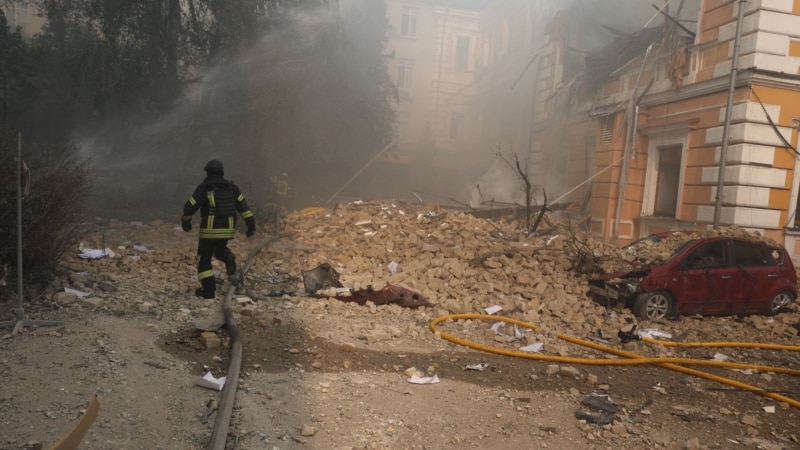
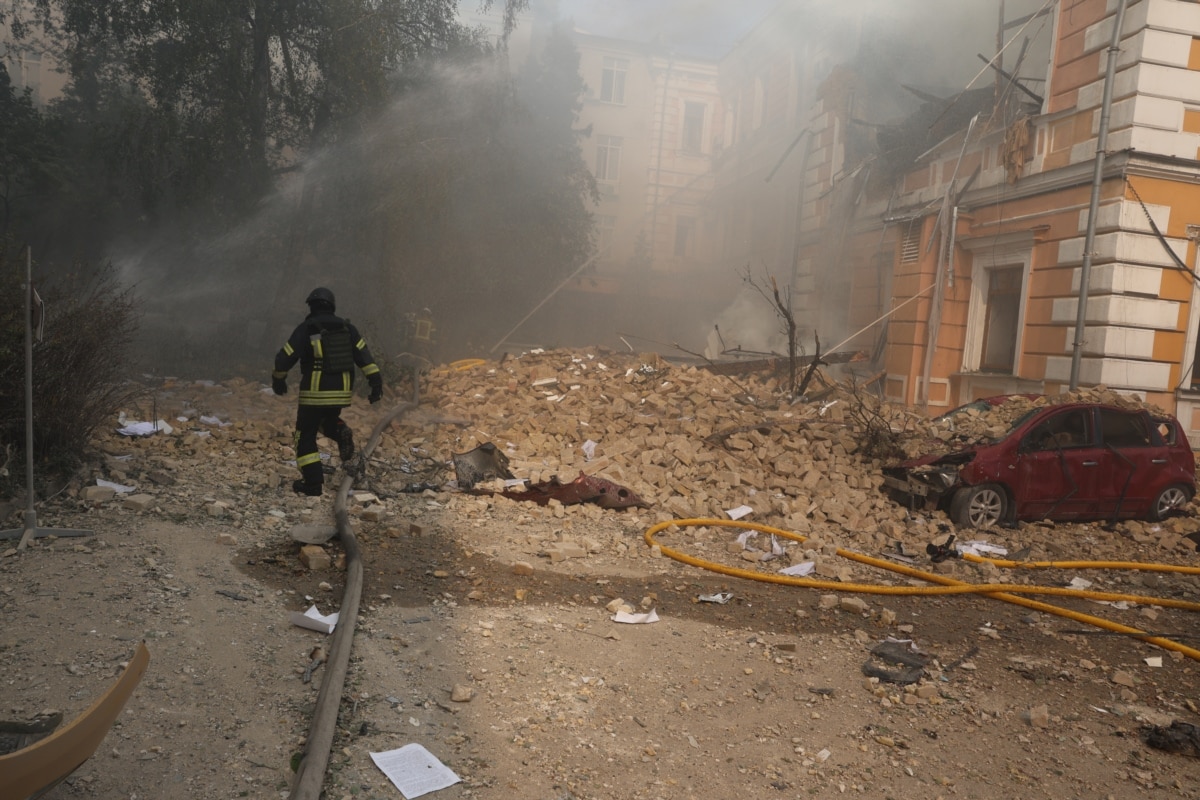
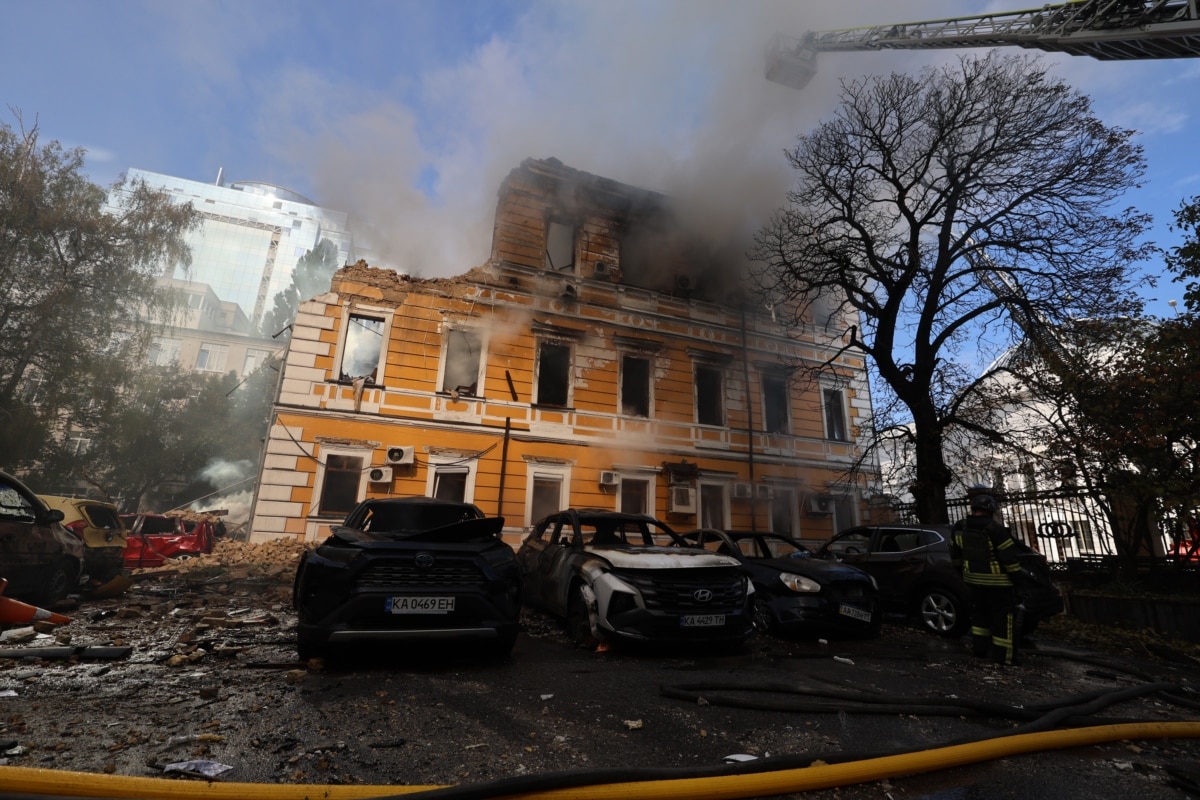
Ukrainian Foreign Minister Andrii Sybiha has called on UNESCO to strip Russia of its voting rights and remove its eligibility to serve on the governing and working bodies of the international cultural agency. The demand follows a daytime Russian attack that struck the building of the National Academy of Sciences of Ukraine in central Kyiv on September 28, 2026.
The strike occurred in broad daylight while researchers and administrative staff were inside the scientific complex. President Volodymyr Zelenskyy confirmed that one person was killed and six others were injured in the attack on the academy, including three children.
Sybiha condemned the attack on the social network X, describing it as another act of Russian terror against civilian infrastructure. He noted that the scientific institution was targeted in the heart of the Ukrainian capital during the middle of a working day when staff were present inside the building.
The foreign minister emphasized that UNESCO is mandated specifically to protect science and the scientific community worldwide. He stated that the agency must respond by revoking the voting rights of the aggressor state and stripping Russia of the ability to be elected to any of its executive or working organs.
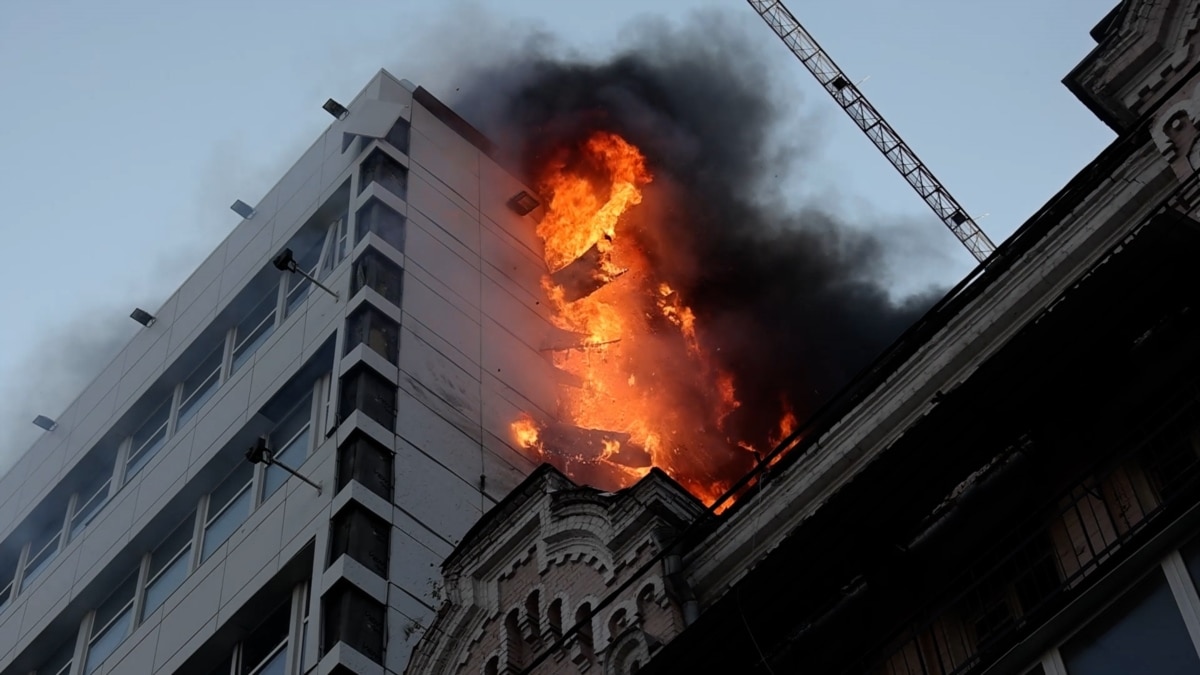
Emergency services responded to the scene of the direct hit at the Academy of Sciences to search through debris and assist survivors. President Zelenskyy stated that Russian forces also struck a medical facility in central Kyiv on the same afternoon, causing a fire that emergency personnel worked quickly to extinguish.
Zelenskyy stressed that the loss of life and injuries from the strikes could have been avoided if international diplomatic and economic pressure on Russia had finally become total.
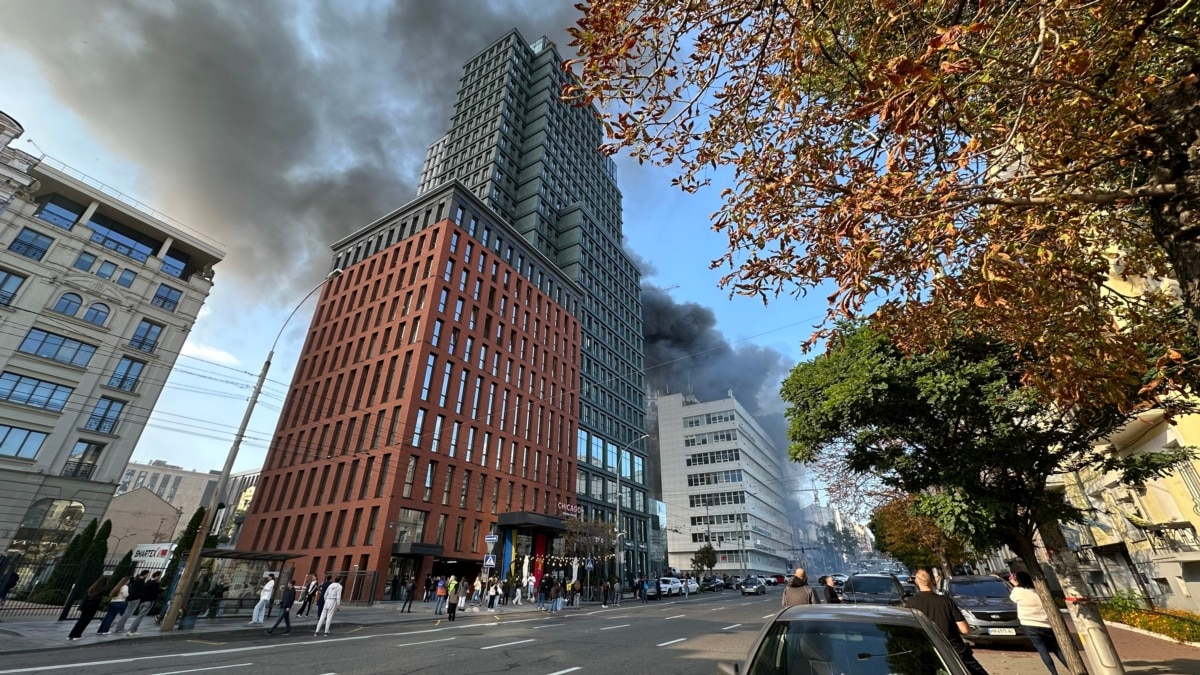
Damage to Education Ministry and Capital Infrastructure
The bombardment also caused damage to other educational and administrative facilities in the capital. Ukrainian Minister of Education and Science Andrii Butenko reported that one of the official buildings of the Ministry of Education and Science of Ukraine was damaged in the strike. Butenko confirmed that no ministry employees were injured during the attack.
The National Academy of Sciences of Ukraine, founded in 1918, is the premier state-funded scientific research organization in the country. It houses dozens of specialized research institutes, historic archives, and laboratories in central Kyiv.
UNESCO, formally known as the United Nations Educational, Scientific and Cultural Organization, is a specialized agency of the United Nations headquartered in Paris. Its constitutional mission includes the protection of cultural heritage, scientific infrastructure, and educational institutions during armed conflicts.
Kyiv, the capital city of Ukraine, has been repeatedly targeted by aerial bombardments since Russia launched its full-scale invasion of the country in February 2022. The latest strikes against scientific and medical facilities in the heart of the city reflect an ongoing pattern of long-range attacks on civilian areas.
Russian military forces regularly launch multi-weapon strikes across all regions of Ukraine using attack unmanned aerial vehicles, cruise and ballistic missiles, guided aerial bombs, and multiple launch rocket systems. Ukrainian state authorities and international human rights organizations have repeatedly classified these systematic attacks on non-military targets as war crimes committed by the Russian Federation.
Allegations of Genocidal Intent and Legal Standards
Ukrainian officials and international legal experts have highlighted the systematic nature of attacks on municipal utilities, healthcare facilities, and life-support networks. Strikes designed to deprive civilian populations of electricity, heating, water supplies, telecommunications, and emergency medical care are cited by legal scholars as evidence of genocidal intent.
Human rights advocates, legal experts, and genocide researchers state that actions taken by Russia during the full-scale war fall under the legal definitions of genocide. They point to explicit public statements by Russian leadership declaring that Ukrainians as an ethnic group do not exist, asserting that Ukraine is an artificial state, and calling publicly for the destruction of Ukrainian national identity.
Legal analysts also cite targeted persecutions of pro-Ukrainian citizens in occupied territories, alongside the systematic targeting of the nation's intelligentsia. Teachers, artists, writers, and cultural figures who preserve and teach Ukrainian culture have been targeted, while educational systems in occupied areas have been overhauled to forcibly alter the national identity of local children.
The documented actions include the forced deportation of Ukrainian children without parental care to the Russian Federation to erase their Ukrainian identity. Occupying forces have also systematically removed and destroyed Ukrainian-language books from public libraries, looted local history museums, and stolen cultural artifacts demonstrating the historical heritage of the Ukrainian nation.
The legal framework governing such violations was established by the Convention on the Prevention and Punishment of the Crime of Genocide, adopted by the United Nations General Assembly in 1948. The convention has 149 state parties, each legally obligated to prevent and punish acts of genocide committed during both war and peace.
Under the 1948 convention, genocide is defined as acts committed with the specific intent to destroy, in whole or in part, a national, ethnic, racial, or religious group. Prohibited acts include killing group members, causing severe physical or mental harm, deliberately inflicting life conditions aimed at physical destruction, imposing birth prevention measures, and forcibly transferring children to another group.
Russian Denial of Civilian Strikes
The Russian leadership continues to deny that its armed forces carry out targeted attacks against civilian infrastructure or non-combatants in Ukrainian cities and villages. Official statements from Moscow maintain that Russian military operations do not target civilian populations, hospitals, schools, preschools, or municipal energy and water supply networks.