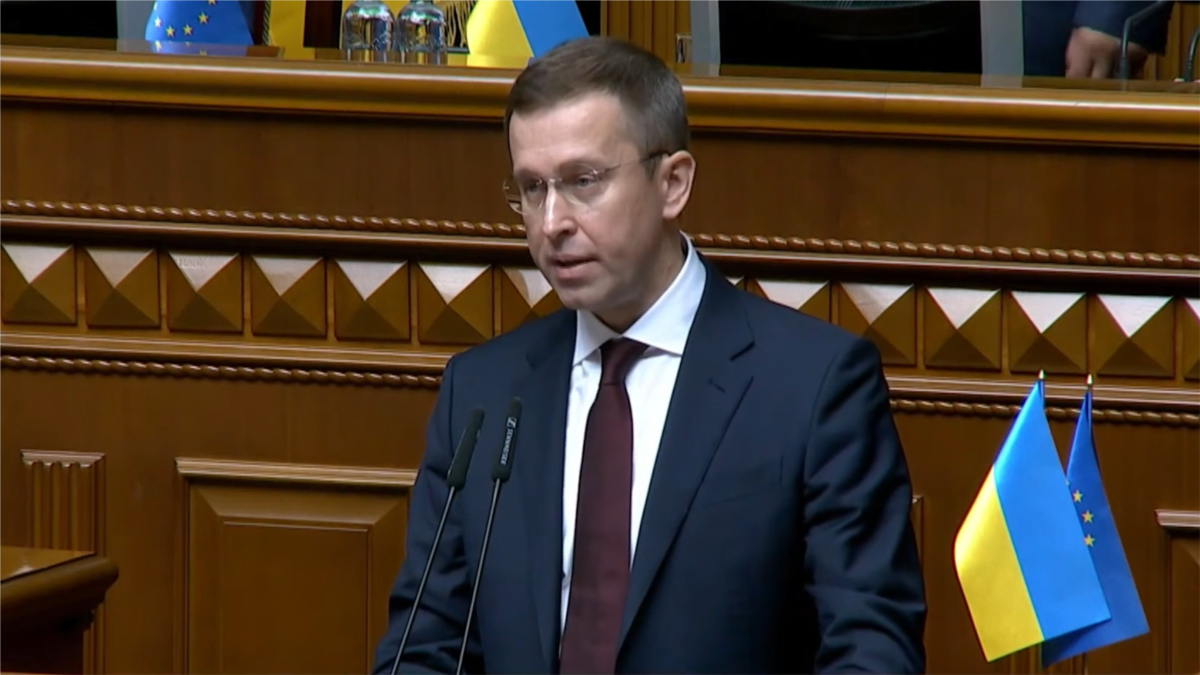
Ukraine's parliament, the Verkhovna Rada, voted unanimously on September 3 to condemn Soviet-era repression of ethnic Hungarians in the western Zakarpattia region at the end of and after the Second World War, in what officials described as the first such recognition made anywhere in the world.
The resolution passed 261 votes to zero, with no votes against. It addresses a little-known period between 1944 and 1946, when Zakarpattia fell under Soviet military administration after German and Hungarian forces withdrew in the autumn of 1944, before formally becoming part of Soviet Ukraine in 1945.
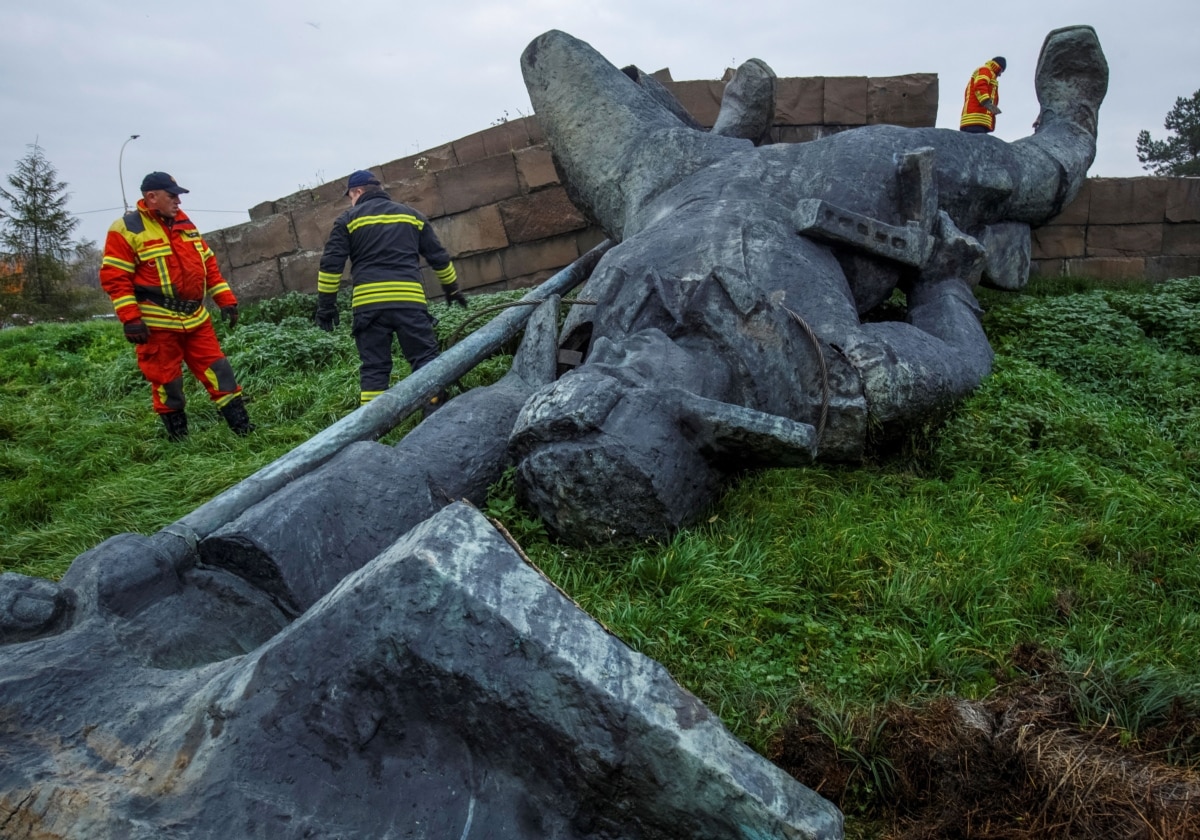
During that period, the Soviet secret police agency the NKVD and the counter-intelligence service SMERSH carried out mass detentions of civilian men in Zakarpattia under the guise of "mobilization" and deported them to labor camps. Thousands of Hungarians were also sent to the Gulag, the Soviet forced-labor camp system that continued operating even after the Soviet Union's victory in the Second World War.
Beyond condemning the repression, the Rada ordered that victims be commemorated through memorial markers, historical research and educational programs, and said archives on the matter would be opened.
Hungary and its wartime ruler, Miklos Horthy, were allies of Nazi Germany, and Hungarian troops took part in the occupation of Ukraine. The resolution raises the question of whether ethnic Hungarians in Zakarpattia should have borne responsibility for that alliance once they themselves fell under Soviet totalitarian repression.
Hungary welcomes the vote
Budapest welcomed the Rada's statement. Hungary's Foreign Ministry praised the parliament's condemnation of the deportation of tens of thousands of ethnic Hungarians from Zakarpattia by Soviet authorities, particularly men aged 18 to 50. Thousands died because of inhumane conditions in Soviet labor camps.
The Hungarian Foreign Ministry said the Ukrainian parliament's decision was a worthy tribute to the memory of the victims and an important step toward reckoning with the Soviet past and establishing the truth about those events. It said Hungary respectfully welcomed and valued Ukraine's decision and was ready to cooperate both in further establishing the truth about the past and in preserving the memory of the victims. Hungary's foreign minister, Anita Orban, made a similar statement.
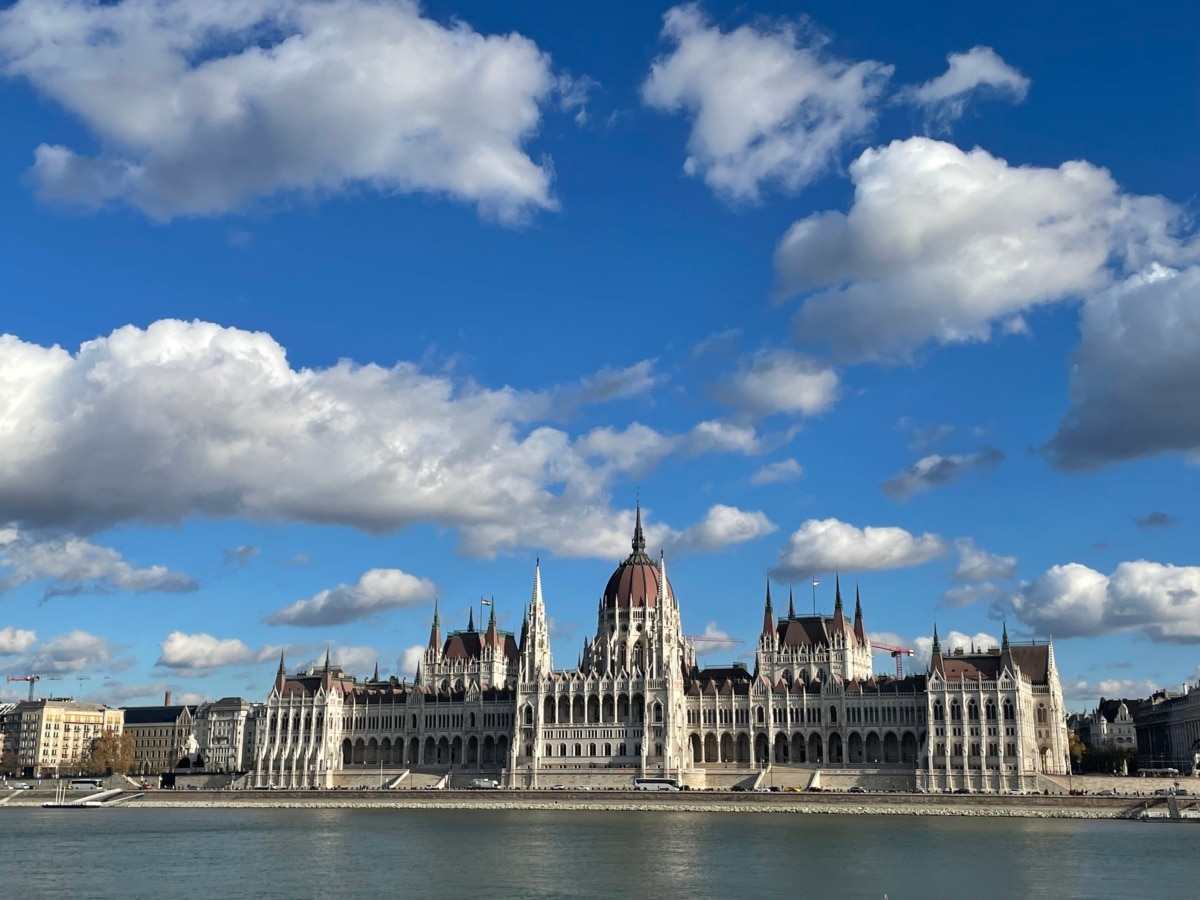
Hungary's parliament also welcomed the statement. The chairman of its foreign affairs committee, Marton Hajdu, wrote on social media that honest coverage of the past and preserving the memory of victims was the foundation of reconciliation. He added that recognizing historical crimes must be accompanied by concrete steps, and called on Ukraine to fully and quickly implement a June agreement on minority rights so the Hungarian community in Zakarpattia, whose numbers have significantly declined, could freely exercise its language, education, cultural and political rights.
In other words, Budapest welcomed the statement while signaling it was not enough, particularly to resolve the more pressing issue of Ukraine's progress toward European Union membership.
Hungary still blocking EU clusters
Hungary continues to block the opening of the next two negotiating clusters in Ukraine's EU accession process. The first cluster, "Fundamentals," which is opened first and closed last in accession talks, was opened in June, after Viktor Orban and his party lost Hungary's parliamentary elections in April. The sixth cluster, "Foreign Policy and Security," was opened in July. There are six clusters in total.
Now on the agenda are the second cluster, "Internal Market," and the third, "Competitiveness and Inclusive Growth." Kyiv had calculated that both could be opened in September; Ukraine coordinates the opening of its negotiating clusters with Moldova, which opens them at the same time.
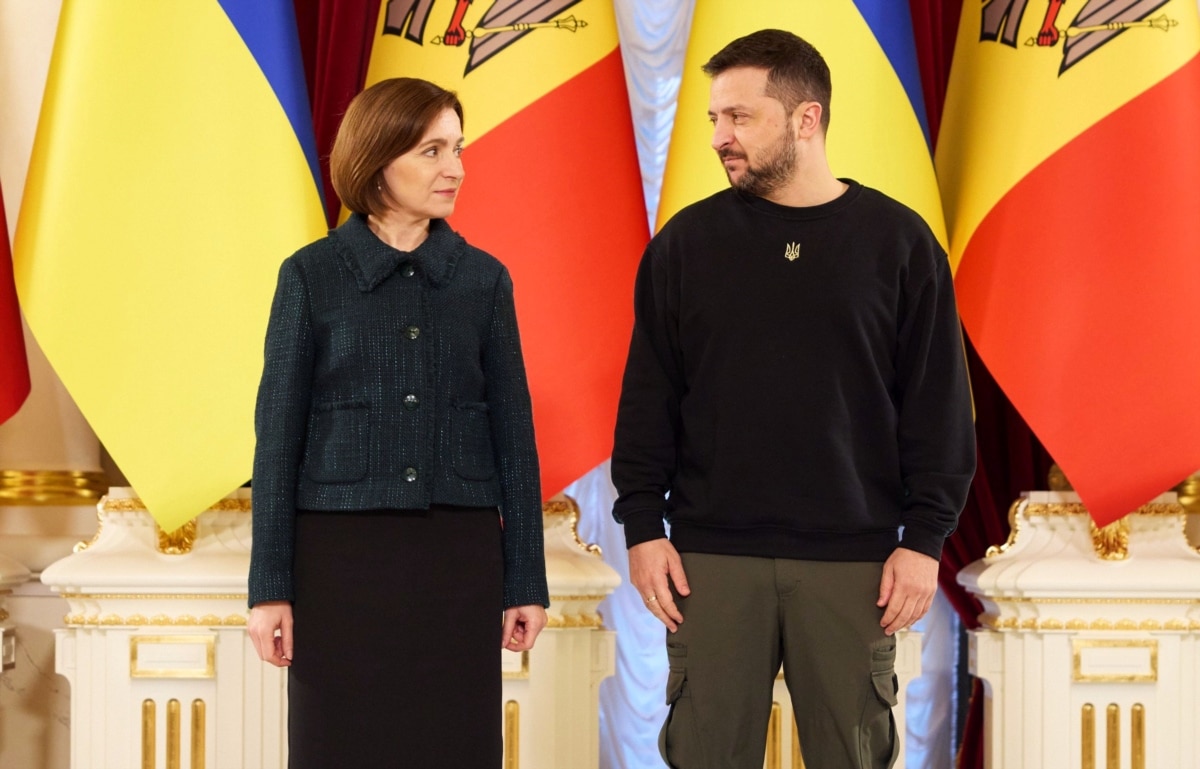
But at a meeting of the EU's enlargement working group in Brussels on September 1, Hungarian representatives again said Budapest was not yet ready to approve the opening of the two additional clusters. Ukrainian broadcaster Suspilne, citing its own sources, reported that Hungary might change its position if Ukraine makes further progress on a law protecting national minorities, though it was not specified what progress would be required.
Ukraine's deputy prime minister for European and Euro-Atlantic integration, Vsevolod Chentsov, told reporters this week that he believed it was wrong to block the opening of the clusters over the issue, and said it was in the interest of both the EU and Hungary to follow the rules and the principle of merit. He said Ukraine was working on draft legislation, soon to go before parliament, on education rights for national minorities that has already been approved by EU institutions.
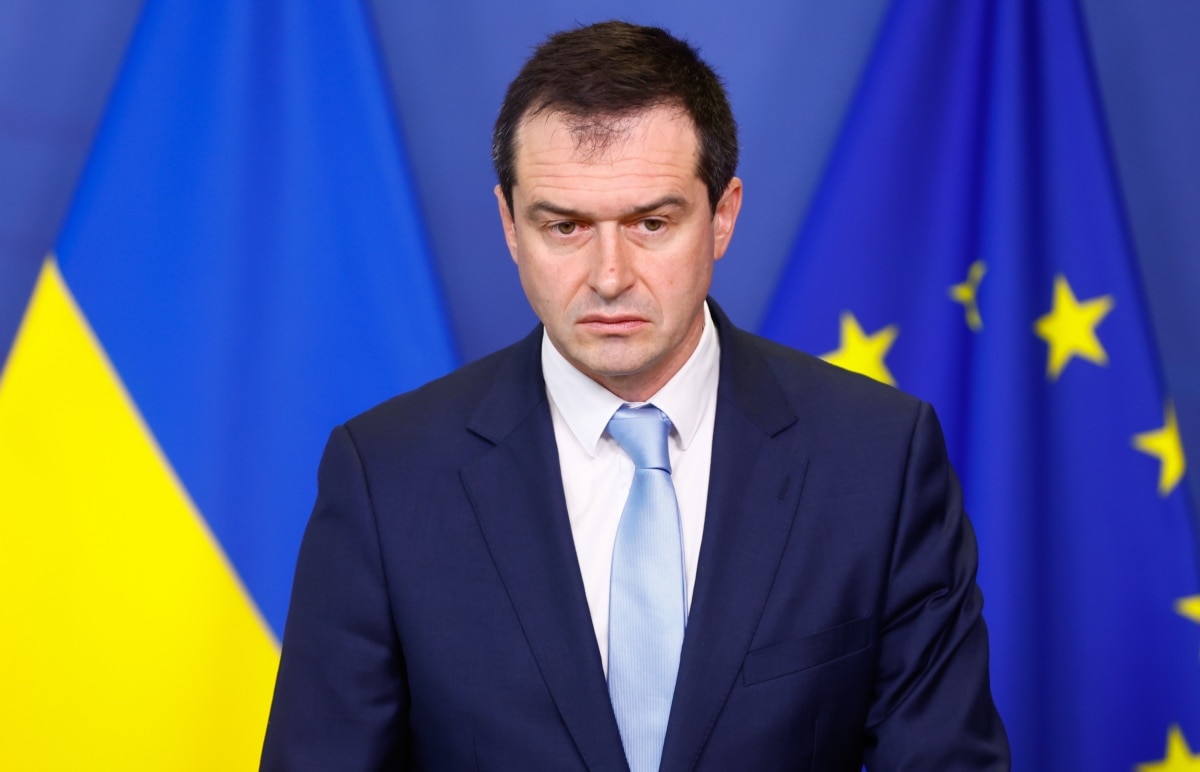
"So we have good progress. But we don't link this issue to the opening of clusters," Chentsov said, adding that Ukraine and the EU were now discussing clusters 2 and 3 and "we don't see any problems with opening them." He later said Ukraine had met all the conditions for opening the two clusters.
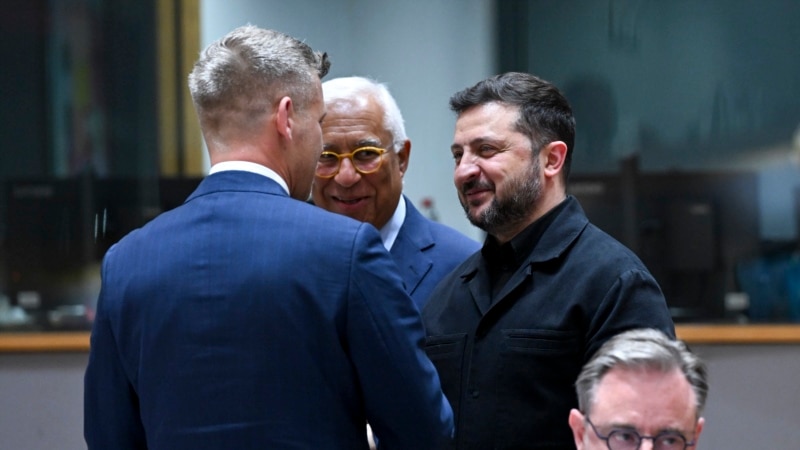
The EU's commissioner for enlargement, Marta Kos, holds the same view. Speaking before an informal meeting of EU foreign ministers in Wicklow, Ireland, this week, she said she expected all remaining negotiating clusters to be opened for Ukraine as soon as possible. She stressed that Ukraine had done its part of the required work, and said "we must also do ours."
Ireland pushes for progress
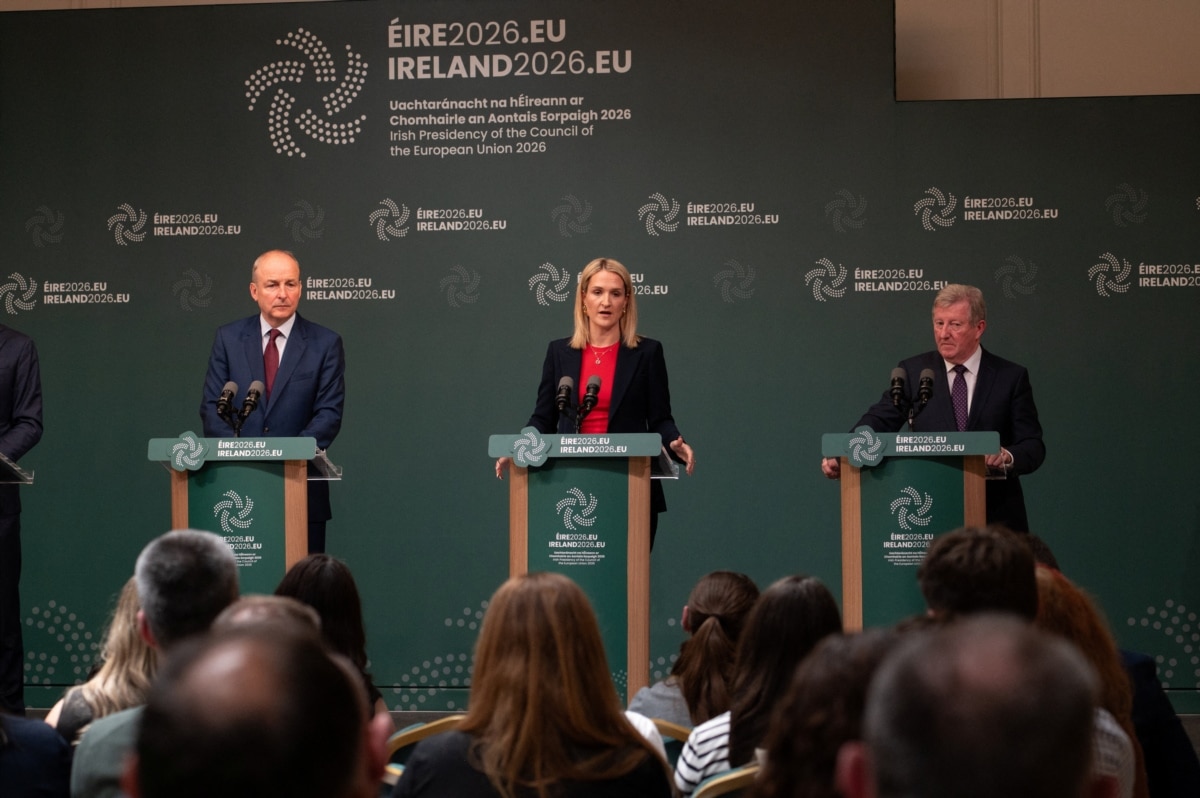
Ireland, which holds the rotating EU presidency for the second half of 2026, wants Ukraine to join the EU as soon as possible and hopes member states can reach unanimous agreement to open all negotiating clusters before the end of the year.
Ireland's minister for European affairs, Thomas Byrne, told reporters ahead of the Wicklow meeting that Ireland hoped to see all clusters opened before its Council presidency ends this year. "But this will require work, unanimity among member states. We don't yet have that agreement on some points, and we just need to continue the work being done in Brussels and Dublin. That's why we're all gathered here," Byrne said.
Why the urgency
Kyiv wants the clusters opened this year because Ukraine, still at war, wants to maintain momentum in its EU integration, which it regards as an important guarantee of its future security.
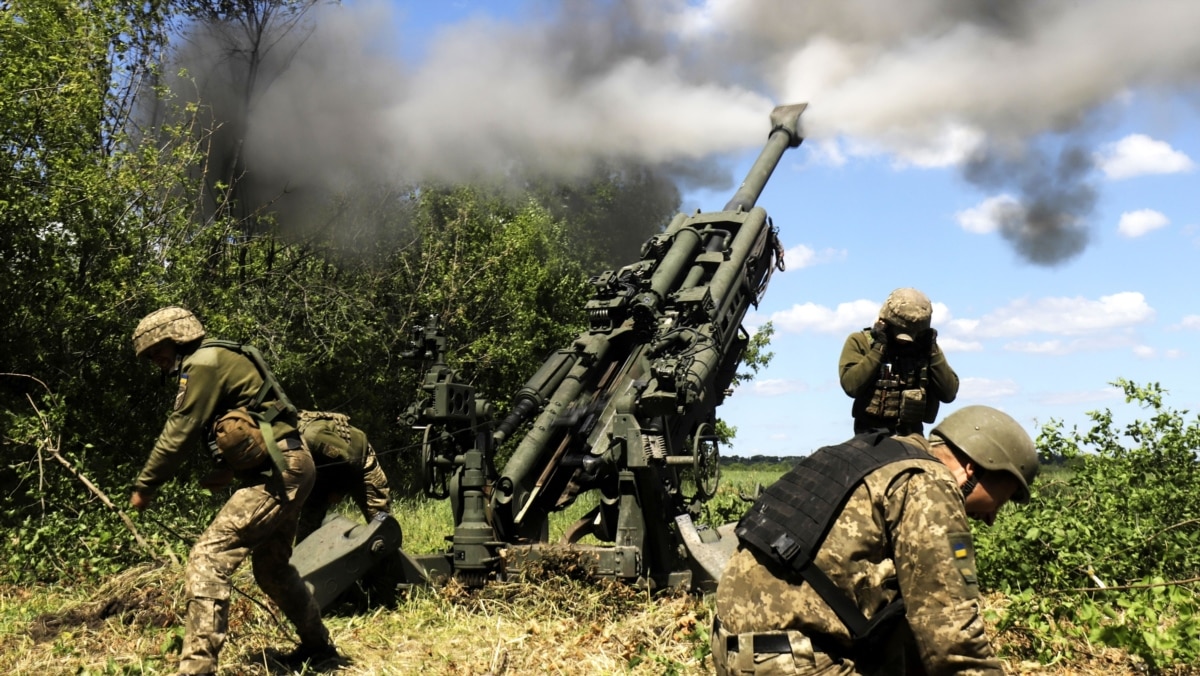
Elections due in several key EU countries next year add to the urgency. France holds a presidential election in the spring, in which Emmanuel Macron cannot run again and the far-right frontrunner, Marine Le Pen, has taken a skeptical stance on Ukraine.
Italy holds parliamentary elections in September 2027, though they could come as early as next spring. Its center-right prime minister, Giorgia Meloni, supports Ukraine's EU membership, but it is unclear whether her left-wing opponents would maintain the same position.
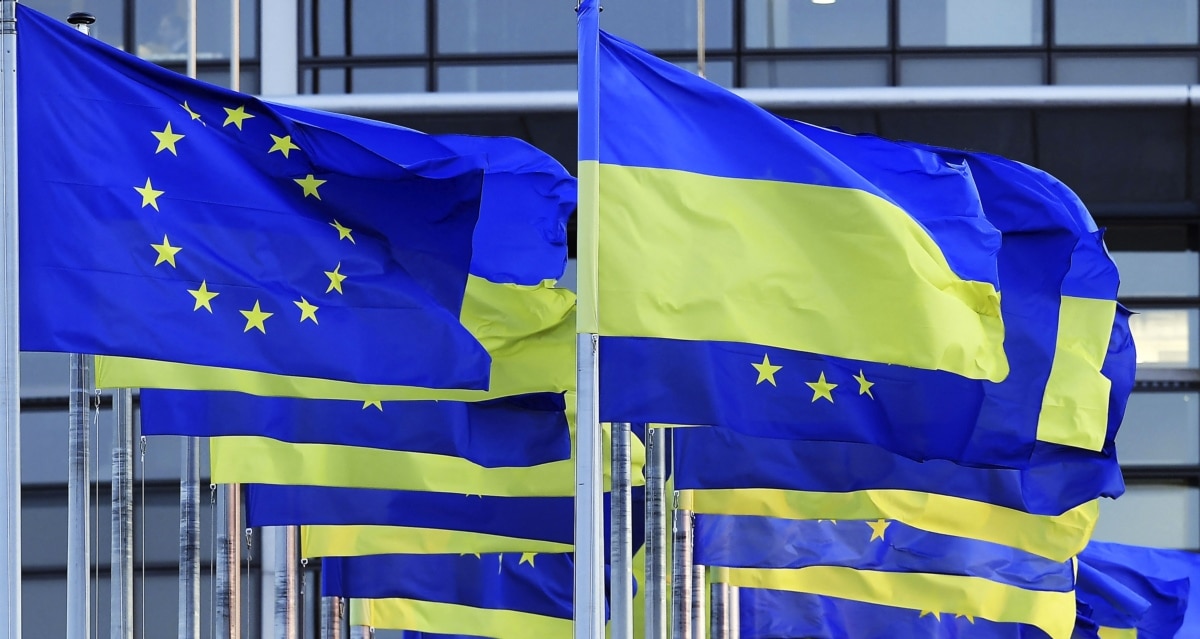
Poland holds parliamentary elections in the autumn of next year, raising the question of whether the current centrist Civic Platform-led coalition will hold power or whether right-wing and far-right parties skeptical of Ukraine's EU integration will return. Polling suggests most Poles oppose Ukrainian membership: a July survey found 52% of Poles against and 33% in favor, while a June poll put opposition at nearly 60%.
Zelensky-Magyar summit still pending
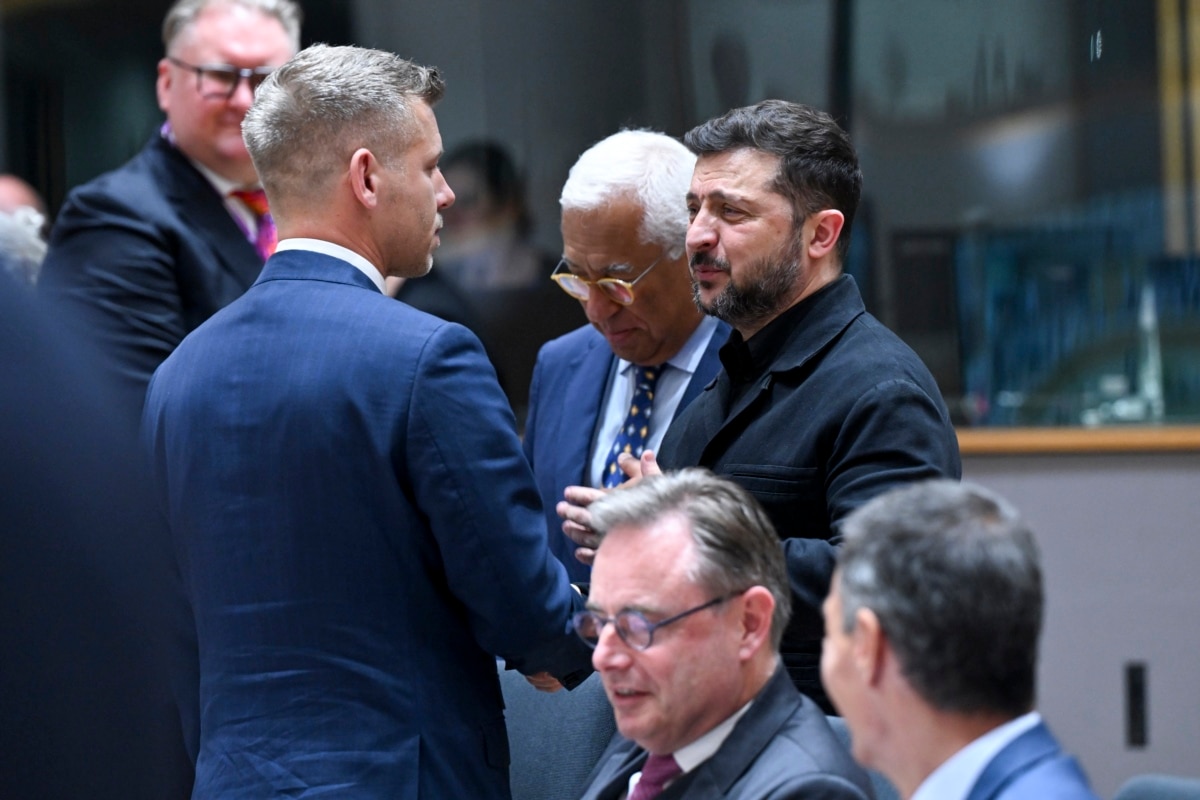
Hopes for progress on Hungary's objections have centered on a planned meeting between President Volodymyr Zelensky and Hungary's new prime minister, Peter Magyar, who has now been in office for four months. The meeting has already been postponed more than once, with Budapest seeking some signal or step toward guaranteeing the rights of the Hungarian minority in Zakarpattia.
The location of the summit also remains unsettled. Hungary would like it held in Berehove, the center of Ukraine's Hungarian community in Zakarpattia. Ukrainian officials have insisted the leaders meet first in Kyiv before traveling together to Berehove, a sequencing meant to signal that relations between Ukraine and Hungary should not be reduced solely to the Hungarian community of Zakarpattia.