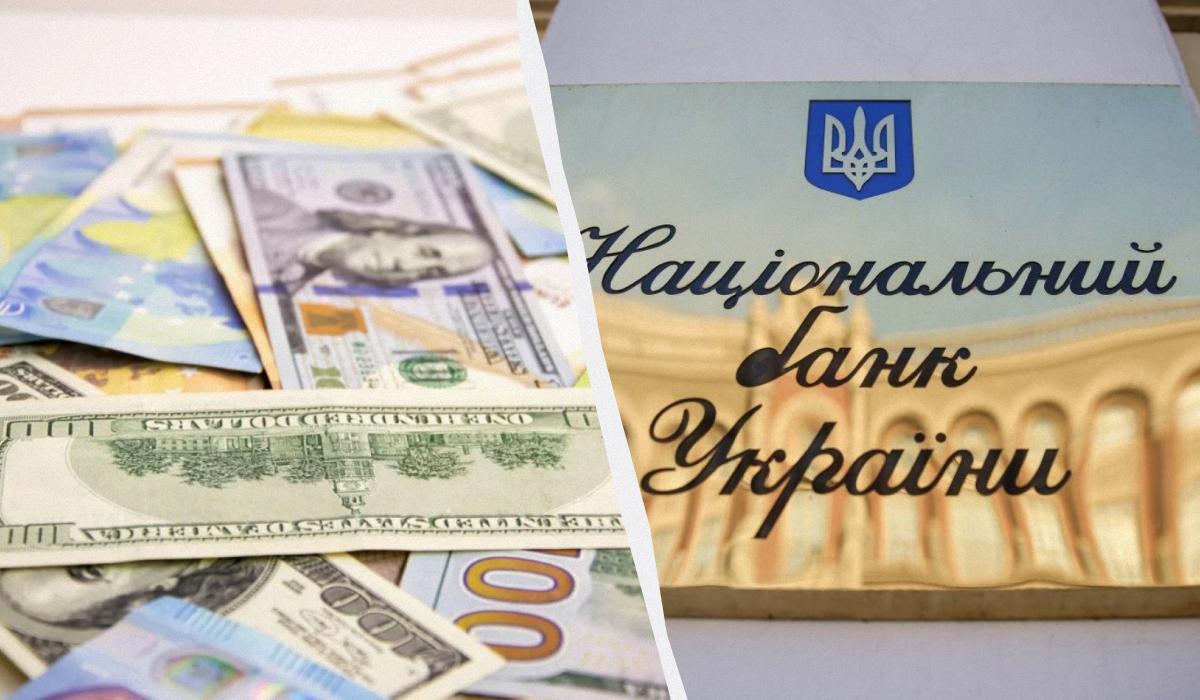
The National Bank of Ukraine is investigating the origin of 150 million hryvnias posted in bail for former Energy Minister Herman Halushchenko, suspecting the funds were laundered through a network of shell companies.
Dmytro Oliynyk, Deputy Governor of the National Bank of Ukraine, told a parliamentary temporary commission of inquiry that central bank examiners conducted a financial transaction analysis four tiers deep without finding physical cash deposits.
Oliynyk stated that investigators traced every entity transferring funds to the High Anti-Corruption Court, as well as the prior intermediaries. The audit identified four commercial banks involved in the chain that raise as many concerns as Sense Bank, with some raising even greater regulatory questions.
The National Bank of Ukraine serves as the country's central bank and primary financial regulator, overseeing anti-money laundering controls across all commercial banking institutions in Ukraine.
Mechanism of the alleged laundering scheme
Oliynyk outlined a working hypothesis currently being pursued by central bank investigation teams regarding how the money entered the financial system. Under this hypothesis, physical cash was not directly deposited into bank accounts but was instead sold to commercial companies holding excess liquidity.
The liquidity was then funnelled through 80 to 100 separate legal entities before being consolidated into a single shell company. That recipient entity had reportedly conducted no business operations for two years prior to the transactions.
Once accumulated, the shell company split the 150 million hryvnias across four different banks before transferring the funds to official accounts at the High Anti-Corruption Court. Oliynyk noted that payments directed to judicial court accounts are not categorized as high-risk transactions under standard automated banking filters.
The High Anti-Corruption Court of Ukraine is a specialized judicial body created to hear top-level corruption cases investigated by independent national anti-corruption agencies.
Investigation into financial controls at Sense Bank
The probe into the bail money follows audio recordings published by the National Anti-Corruption Bureau of Ukraine on August 19, 2026. The recordings suggested that individuals involved in the scheme bypassed financial monitoring systems at Sense Bank through direct intervention by the bank's chairman of the board.
According to the published tapes, the chairman allegedly proposed manually creating temporary windows in the payment control system by officially placing filtering software on service mode. This step would allow targeted transactions to pass through without triggering automatic compliance flags.
Oliynyk clarified that central bank audits have not yet confirmed the actual presence of any technical maintenance windows within the bank's financial monitoring system. Sense Bank is one of Ukraine's major commercial banking institutions operating under state regulatory oversight.
The Forest Gump corruption case
The controversy surrounding the bail funds forms part of a broader anti-corruption investigation code-named Forest Gump. Four unidentified corporate entities originally deposited the 150 million hryvnias for Halushchenko between June 26 and June 29, 2026.
Subsequent investigations by the National Anti-Corruption Bureau of Ukraine and the Specialized Anti-Corruption Prosecutor's Office determined that the funds used to secure Halushchenko's release were derived from illicit sources.
In August 2026, anti-corruption prosecutors served a formal notice of suspicion to Iryna Mudra, Deputy Head of the Office of the President of Ukraine, in connection with the case. President Volodymyr Zelenskyy subsequently dismissed Mudra from her official post.
Law enforcement authorities have issued notices of suspicion to several other individuals linked to the scheme. The National Anti-Corruption Bureau of Ukraine acts as the state law enforcement agency responsible for investigating high-level public graft, working alongside the Specialized Anti-Corruption Prosecutor's Office.
Central bank specialists are continuing to process financial transaction records to establish final regulatory findings regarding the four banks and the intermediate corporate entities involved.