

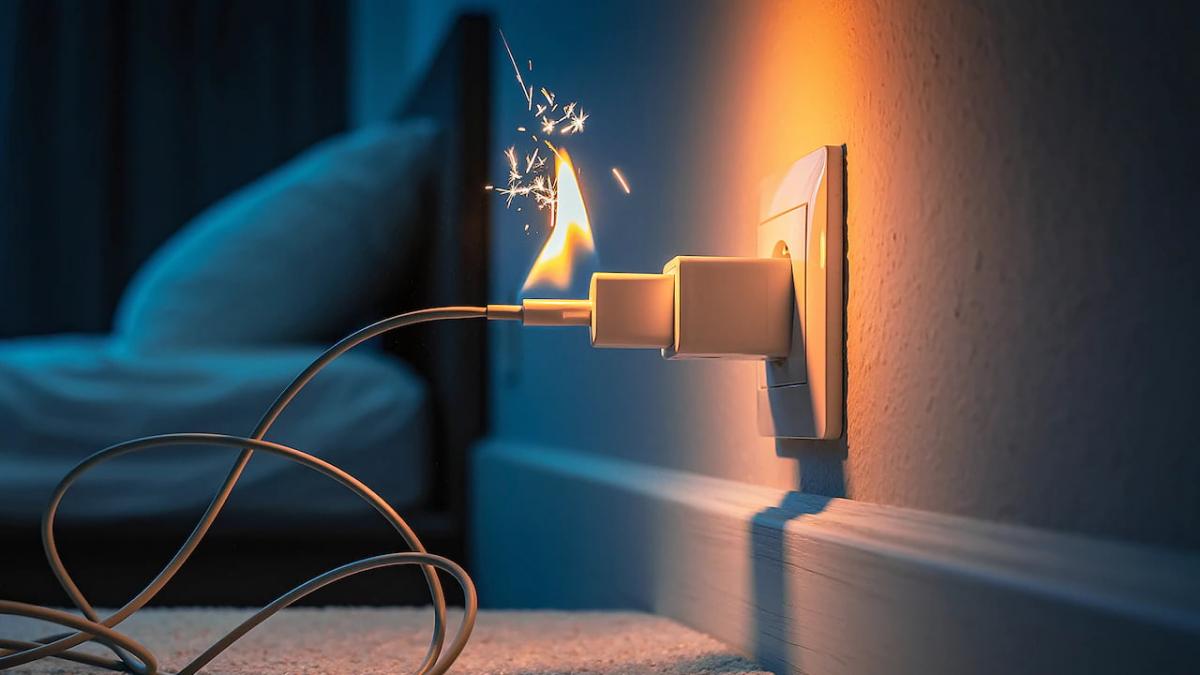
TÜV-Verband expert Dr. Hermann Dinkler has warned that charging a smartphone overnight with faulty cables or cheap adapters can cause overheating and fires. While many users plug in their phones before going to sleep to wake up with a full battery, specialists say the primary hazard comes from defective accessories rather than the length of time the device stays on charge.
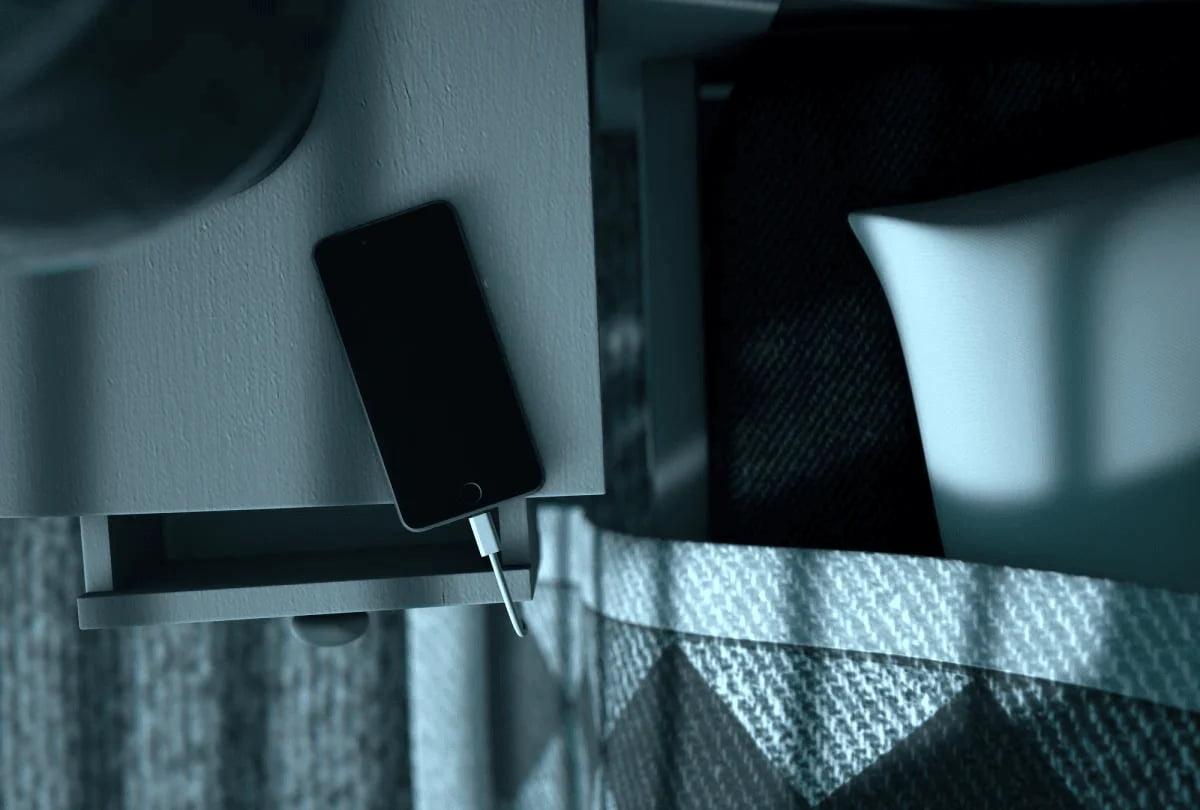
Videos circulating on social media show smartphone chargers sparking or bursting into flames, with commentators sometimes blaming prolonged overnight charging. In practice, the probability of such an incident is very small, but specialists say the risk of a charger overheating and catching fire cannot be ruled out entirely.
Dinkler, a specialist with TÜV-Verband, outlined several specific factors that increase the danger of a household fire. TÜV-Verband is the umbrella association representing Germany's Technical Inspection Associations, the independent testing and certification organizations that inspect consumer products, industrial equipment and vehicles for safety compliance.
Counterfeit chargers and fake safety marks
According to Dinkler, cheap electronics represent one of the biggest hazards for smartphone owners. Because wall adapters often have to be purchased separately from new smartphones today, he advised consumers not to pick unknown chargers solely because of a low price.
Many smartphone makers have stopped bundling wall adapters in retail boxes, prompting buyers to shop for standalone chargers. Low-cost adapters from unfamiliar sellers can suffer from serious design flaws, imitate original accessories from well-known manufacturers, or carry counterfeit CE markings, and ordinary shoppers often struggle to spot a fake.
The CE mark is a mandatory conformity symbol for goods sold in the European Economic Area, signifying a manufacturer's declaration that a product meets European safety and environmental directives. Because standard CE marking relies on self-declaration rather than mandatory third-party testing, unscrupulous suppliers frequently print fake logos on substandard electronics.
Figures from German regulators illustrate the scale of the problem. In 2024, Germany's Federal Network Agency banned the sale of more than 1.9 million devices, including multifunctional chargers. Known in Germany as the Bundesnetzagentur, the agency regulates telecommunications and energy networks and conducts market surveillance to remove unsafe electrical equipment from sale.
Damaged cables and overheating adapters
Old chargers and cords that show visible signs of wear also pose a serious threat. When a cable's outer insulation is damaged and the internal metal conductors become exposed, the risks of electric shock and fire increase significantly.
Experts advise against trying to mend a frayed or split charging cord with electrical insulating tape. Instead, users should replace damaged leads promptly with an original cable or a compatible replacement from a verified manufacturer.
Users who charge a phone for long periods should also check how warm the power plug gets. A mains adapter converts high-voltage alternating current from a wall socket into low-voltage direct current for a phone battery, which naturally produces slight warmth. However, if the power supply unit becomes too hot to touch, specialists say that is a warning sign, particularly if the equipment is faulty.
Where the phone rests while plugged in matters as well. Experts warn against leaving a charging smartphone in bed, as tucking a device between a mattress and a pillow traps heat and prevents it from dissipating into the air, creating conditions that can overheat and damage the phone.
USB-C compatibility and safe charging rules
An improper combination of power adapter, cable and smartphone is another risk factor. Dinkler said users should pay particular attention to USB-C cables, which are widely marketed as universal cords.
By 2026, the reversible 24-pin USB-C connector has become the standard charging port for most smartphones and portable gadgets, even though not every cable supports fast charging despite physically fitting the socket. Because individual cables and adapters are engineered for different power levels, Dinkler noted that all components must be technically compatible to prevent overheating and ensure safe charging.
To lower the risk of a fire, Dinkler recommends that smartphone owners follow five practical safety rules:
- Never leave a smartphone charging in bed or next to pillows and blankets.
- Stop using cables with damaged insulation or worn power adapters.
- Buy quality chargers and verify that they meet recognized safety requirements.
- Check the temperature of both the phone and the power supply unit during charging.
- Unplug the charger from the wall socket when it is not in use, especially before leaving home for an extended trip.
When shopping for replacement cables and power adapters, Dinkler also advised consumers to look for the GS mark, which stands for tested safety. Defined under Germany's Product Safety Act as Geprüfte Sicherheit, the voluntary GS label indicates that an independent, state-approved testing organization has examined the product in a laboratory, helping buyers assess safety before they buy.


