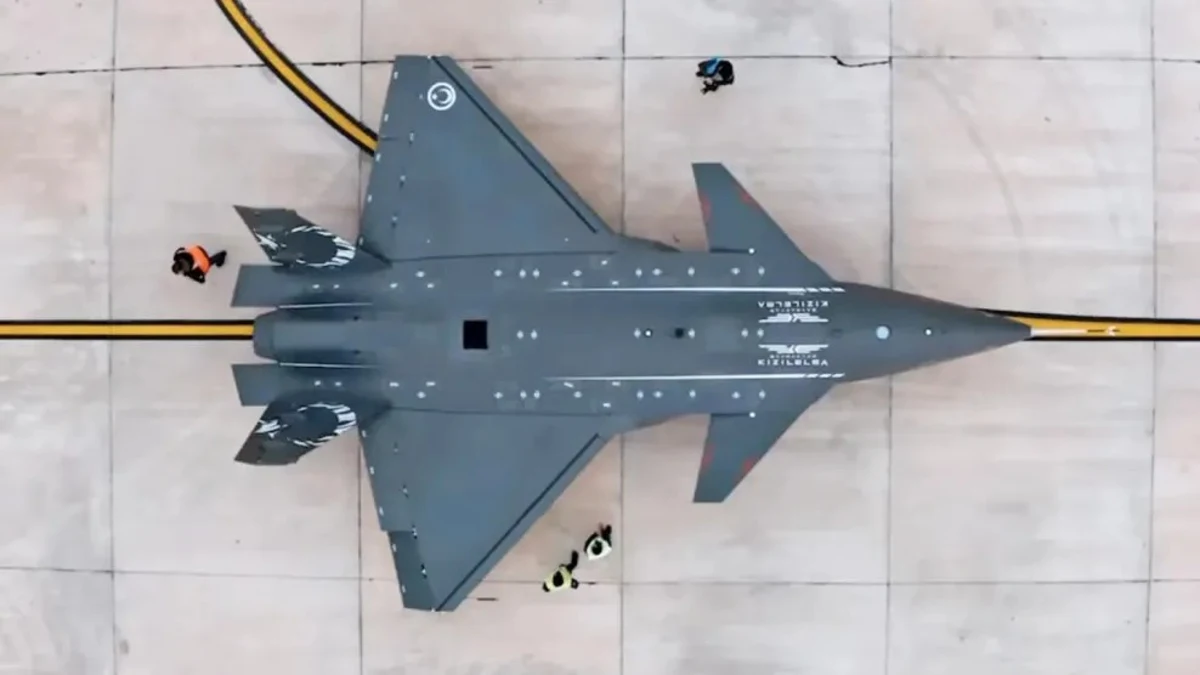
Turkey has become the first country in the world to put an unmanned combat jet capable of shooting down other aircraft into active military service, according to the specialist outlet The War Zone. Turkish manufacturer Baykar delivered the first three units of the Bayraktar Kizilelma to the Turkish armed forces on November 19, 2026.
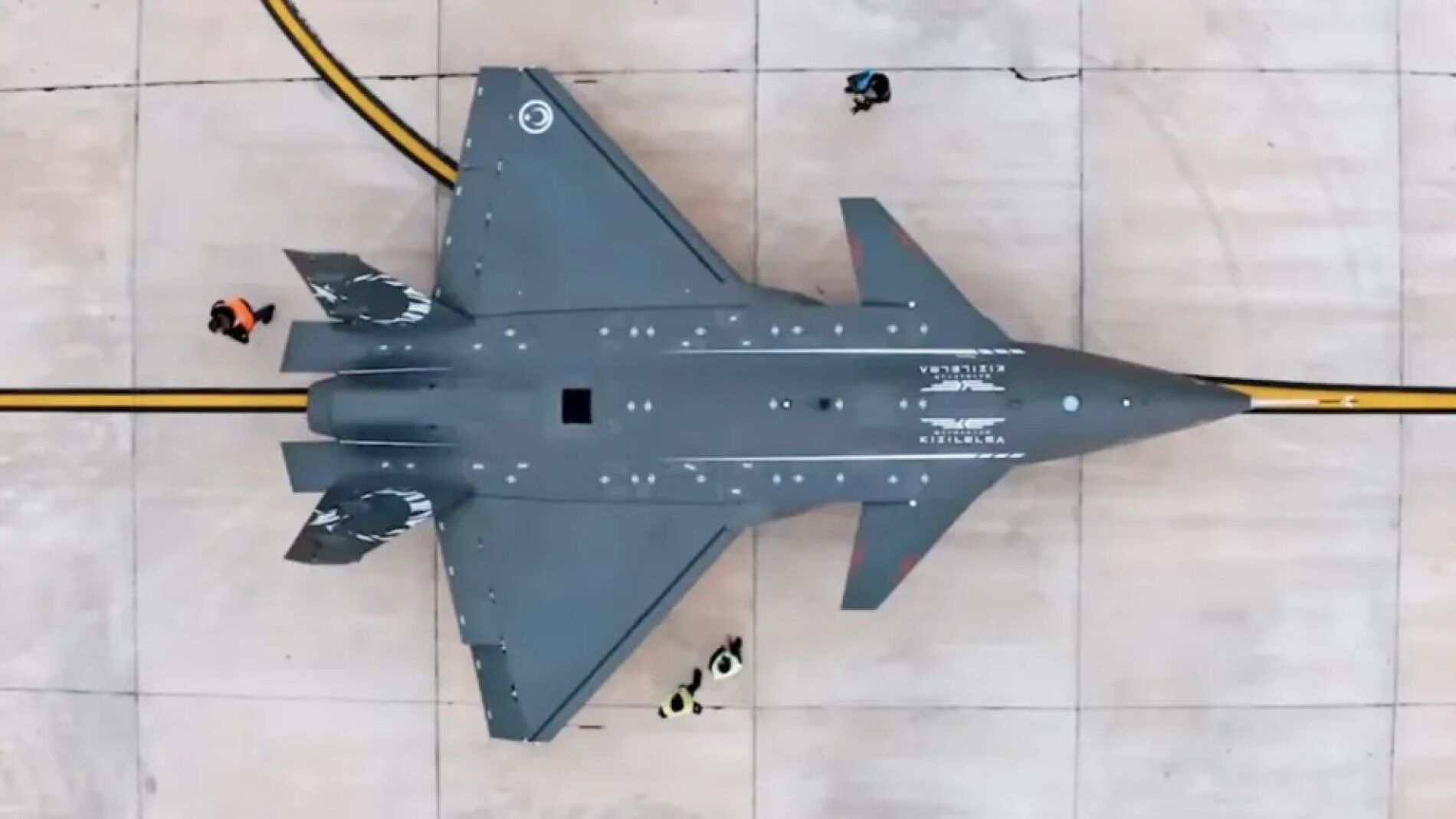
The jet-powered aircraft is designed to carry out many of the missions currently flown by manned fighters, including air-to-air combat. Baykar said the aircraft had completed around 600 test and training flights before entry into service, and described the delivery as a historic first for a fully operational unmanned jet fighter in global aviation.
How the Kizilelma differs from other combat drones
The term UCAV, or unmanned combat aerial vehicle, covers aircraft with very different capabilities. The most advanced typically use stealth designs and jet engines, and are built to penetrate airspace protected by enemy air defences, strike ground targets, and carry out surveillance, reconnaissance and electronic warfare missions.
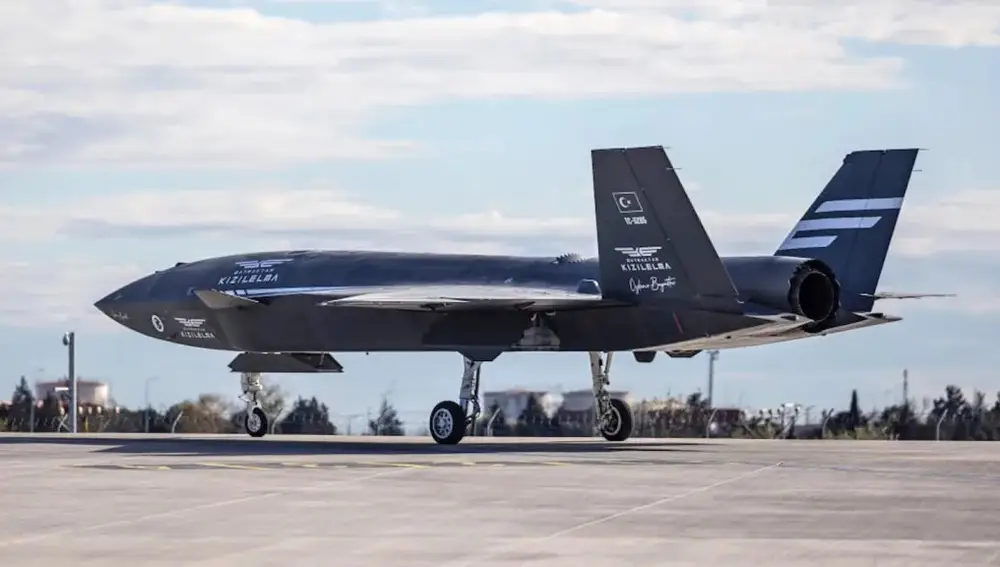
The Kizilelma belongs to an emerging category of aircraft that, beyond those roles, has been designed specifically for aerial combat. Its speed and design place it closer to a light fighter jet than to most UCAVs developed so far, which have generally prioritised endurance, payload and low radar detectability over speed.
The baseline version of the Turkish aircraft has a top speed of Mach 0.9 and a cruising speed of Mach 0.6. It can carry a payload of around 1,360 kilograms, has an endurance of more than three hours, a mission radius of 926 kilometres and a service ceiling of about 12,200 metres. Baykar is also working on supersonic variants and a naval version.
A missile test and formation flights
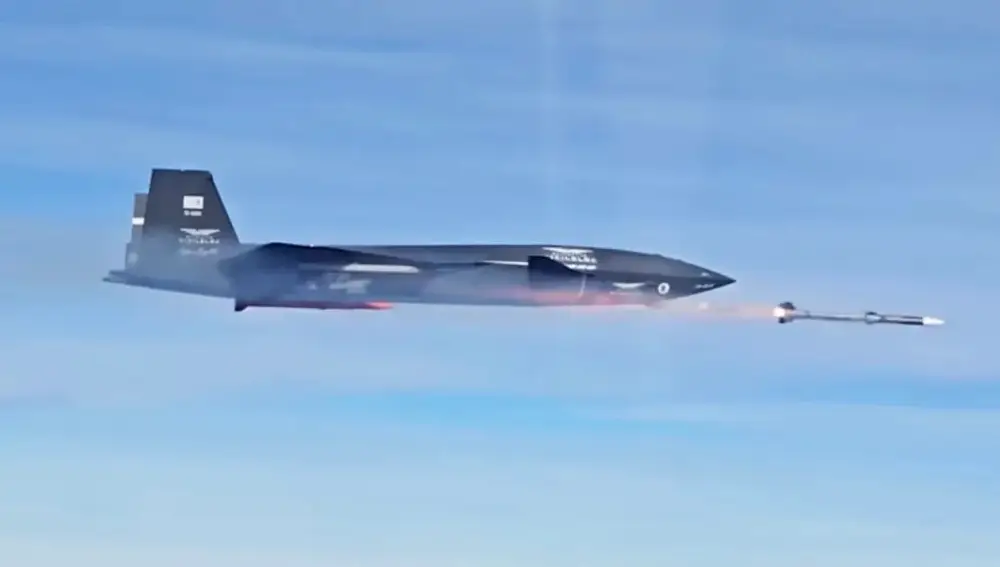
The programme reached one of its key milestones in November 2025, when a Kizilelma shot down a jet-powered aerial target using a Turkish-made Gökdoğan air-to-air missile. The aircraft used its onboard Murad radar to designate the target, demonstrating its ability to engage aircraft beyond visual range.
A month later, two prototypes flew together autonomously in close formation. In May 2026, the Kizilelma flew in formation with manned Italian M-346 aircraft. It is expected to eventually operate alongside the KAAN, Turkey's fifth-generation fighter jet.
How the US and Australian programmes compare
The United States is developing its own equivalents, the YFQ-42A from General Atomics and the YFQ-44A from Anduril. Unlike the Turkish aircraft, both were conceived from the outset as Collaborative Combat Aircraft intended to fly alongside manned fighters and extend their detection and strike capability. Their designs include air-to-air combat capability, but this has not yet been demonstrated against real targets, as the Kizilelma has done. The United States awarded production contracts in June 2026 and received the first units in September to develop operating procedures and tactics.
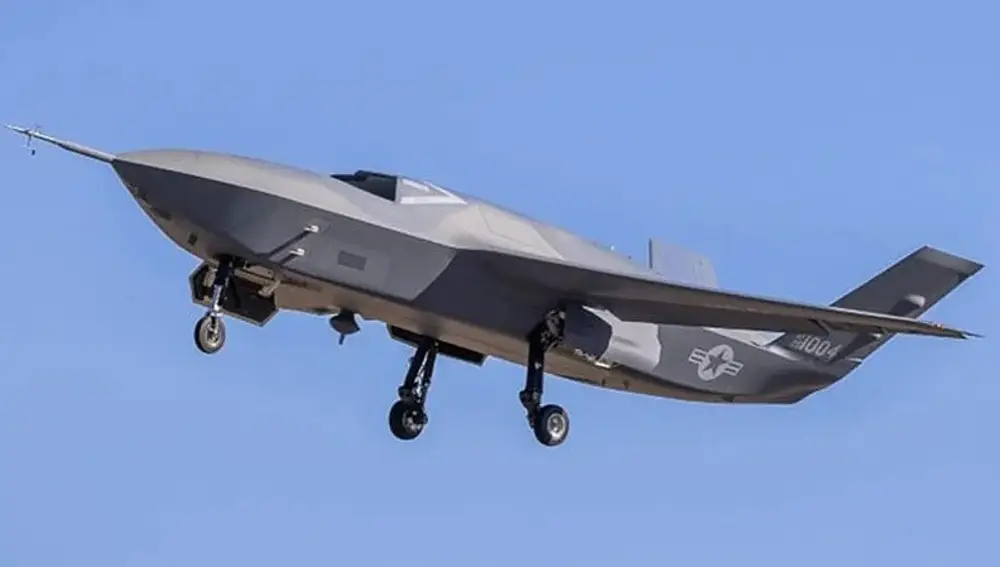
Australia is pursuing a similar goal with Boeing's MQ-28 Ghost Bat, which has already carried out air-to-air missile launch tests, while in Europe companies including Sweden's Saab and Airbus are working on their own proposals.
China's GJ-11 stealth drone
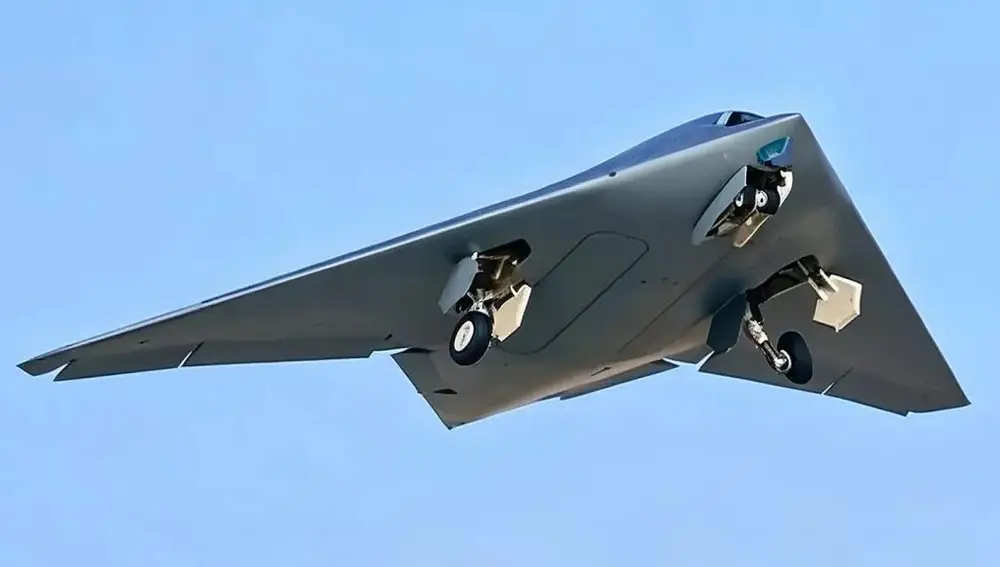
China has made the most progress among countries fielding new-generation stealth UCAVs. In November 2025 it announced the entry into service of the GJ-11, a flying-wing aircraft designed mainly to strike ground targets and neutralise enemy air defences. However, China has not demonstrated that the GJ-11 can shoot down other aircraft, although it is testing new unmanned designs with capabilities closer to those of a fighter jet.
What happens next
Baykar is developing supersonic and naval versions of the Kizilelma, which is expected to eventually operate alongside Turkey's KAAN fifth-generation fighter jet.
Test yourself
Which company manufactures the Kizilelma?
What did a Kizilelma reportedly shoot down in November 2025?
What distinguishes the Kizilelma from the US YFQ-42A and YFQ-44A, according to the article?
Where it happened
Ankara, Turkey