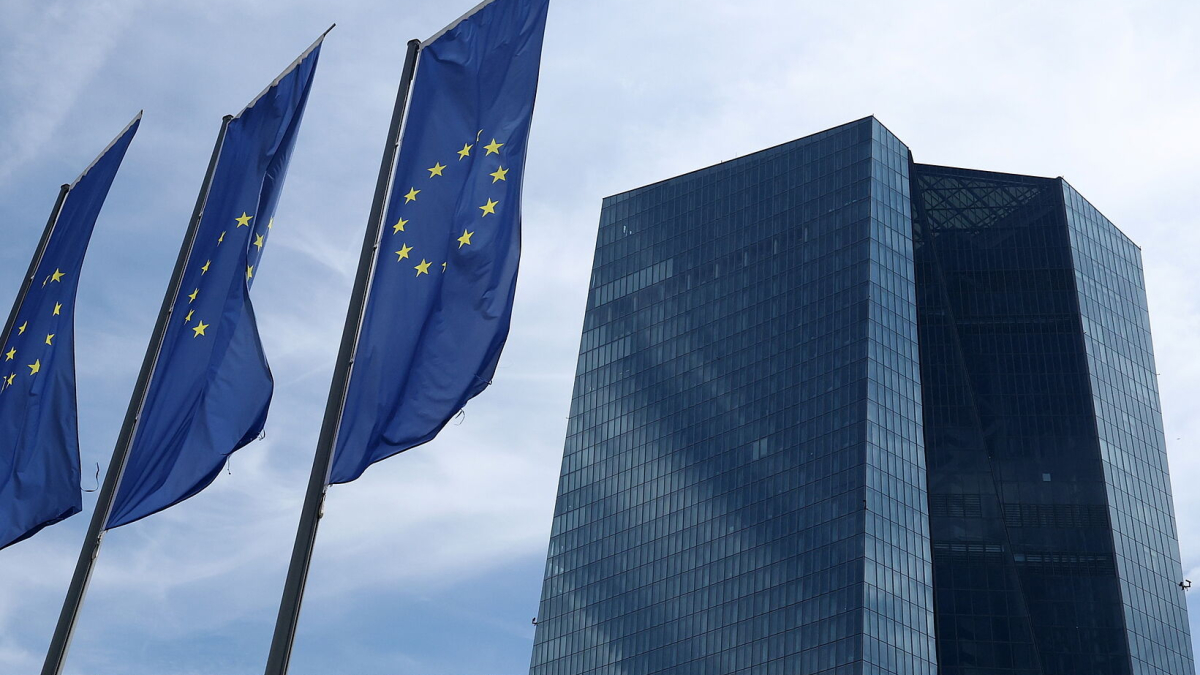
The European Central Bank (ECB) is preparing to raise interest rates again, with policymakers increasingly focused on containing indirect inflation effects expected to intensify in 2027. The prevailing view within the ECB's Governing Council points to another increase in borrowing costs, according to recent statements from officials.
ECB President Christine Lagarde signalled the move at the press conference following the central bank's most recent policy meeting in Frankfurt, saying that unless a major development arose, the path ahead was fairly clear to policymakers.
A quarter-point increase, considered almost certain to go ahead in December, would take interest rates to 2.75%. Various experts regard that level as the threshold of what is considered restrictive monetary policy, meaning financing conditions tight enough to weigh on economic activity in order to bring inflation under control.
Why the ECB is focused on 2027
A further rate rise would lay the groundwork for how the ECB intends to approach 2027. For that year, ECB staff projections point to headline inflation easing from its current level of around 4%, which the bank considers unacceptable, towards the roughly 2% level it targets.
However, the central bank's battle next year will shift towards indirect inflation and so-called second-round effects. Persistently high energy prices, which by then will have remained elevated for close to a year, are expected to start feeding through into other goods and services and into wage negotiations.
Sources close to the ECB said the strongest second-round effects would materialise over the course of next year.
Core inflation and the Middle East factor
ECB chief economist Philip Lane said weeks ago that inflation excluding fuel and food could climb to around 2.5% by the middle of 2027 under the central bank's baseline scenario. In a more pessimistic outlook, that measure, which heavily guides ECB monetary policy, could rise above 3%.
Sources in Frankfurt warned that the problem with second-round effects and indirect inflation, unlike energy prices, is that they do not resolve overnight even if the conflict in the Middle East were to end.
Wage negotiations add to the pressure
Once inflation reaches the stage of wage negotiations, the increase becomes more persistent, with the risk of a spiral that pushes prices higher again if companies detect greater purchasing power among households. According to the latest data from the ECB's leading wage indicator, published this week, wage growth is set to rise to 2.8% in the first quarter of 2027.
Sources close to the ECB's decision-making body said that a further quarter-point rise would not, on its own, make a major difference to how tight financing conditions are at current levels. They said, however, that pushing interest rates into restrictive territory sends a clear signal that the ECB is not willing to tolerate inflation continuing to drift from its target.
No fixed path ahead
The ECB is not committing itself to a fixed course. While its communication to markets is clear that the cycle of rate increases has not yet ended, the bank will continue to decide on policy meeting by meeting and, as Lagarde often repeats, without a predetermined path for rate moves.
Why December matters
The ECB's December meeting is expected to be especially important in shaping the central bank's next moves. Staff will receive a wave of fresh data allowing them to gauge exactly where the fight against inflation stands and whether efforts to contain price growth are working.
The ECB will have new macroeconomic projections for growth and inflation, two further months of price data, third-quarter GDP figures, and information on employment and wage negotiations. It will also have two new updates on the interest rates banks offer households and businesses, to confirm that tighter conditions are feeding through to the economy, along with industrial activity data to check whether resilience in output is holding up.
What happens next
The ECB's December policy meeting will include new macroeconomic projections, fresh inflation and GDP data, and updated information on bank lending rates and wage negotiations.
Test yourself
What level would ECB interest rates reach if the expected December rise goes ahead?
What did ECB chief economist Philip Lane say about core inflation by mid-2027?
According to the ECB's leading wage indicator, how much is wage growth expected to rise to in the first quarter of 2027?
Have your say
Do you think the ECB should keep raising interest rates to fight inflation?
Where it happened
Frankfurt, Germany