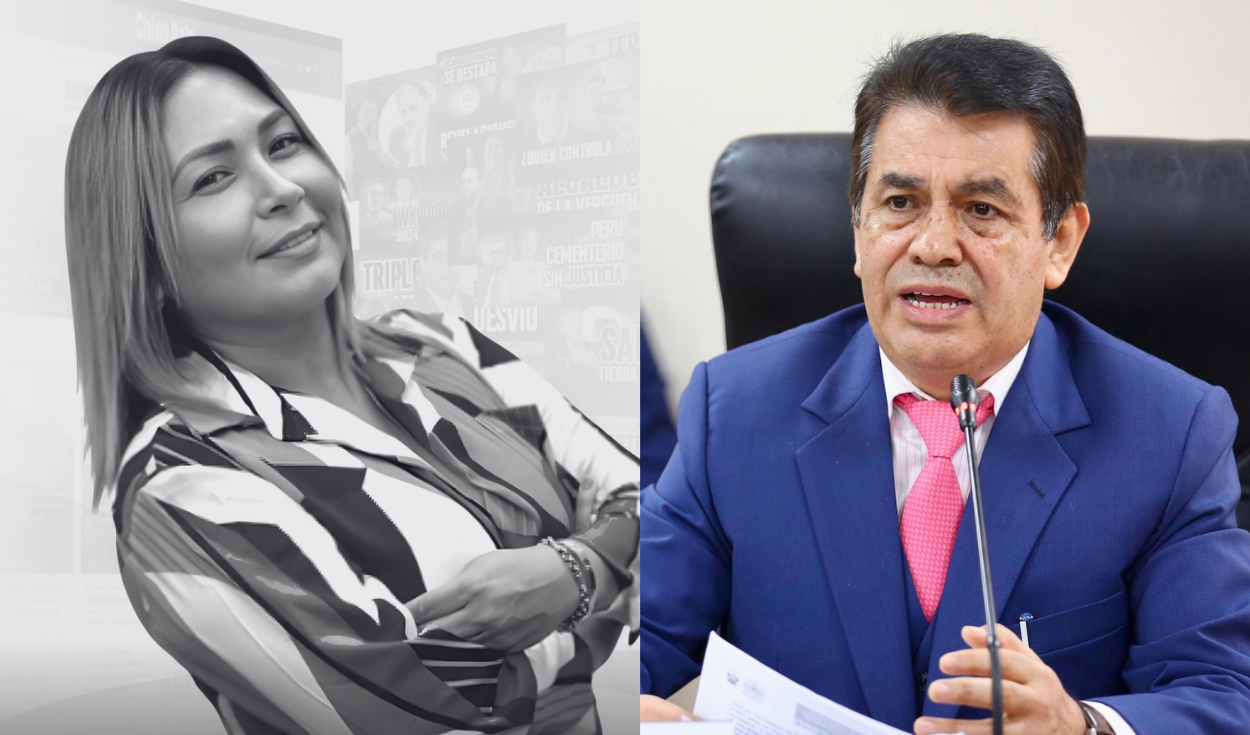
Peruvian authorities have arrested suspects following the murder of journalist and regional government candidate Susy Aponte in the northern region of Áncash.
Prosecutor General Tomás Gálvez announced during an interview with Peruvian news network RPP that law enforcement had taken three individuals into custody in connection with the killing of Aponte, who was widely known across the area as La China Polo.
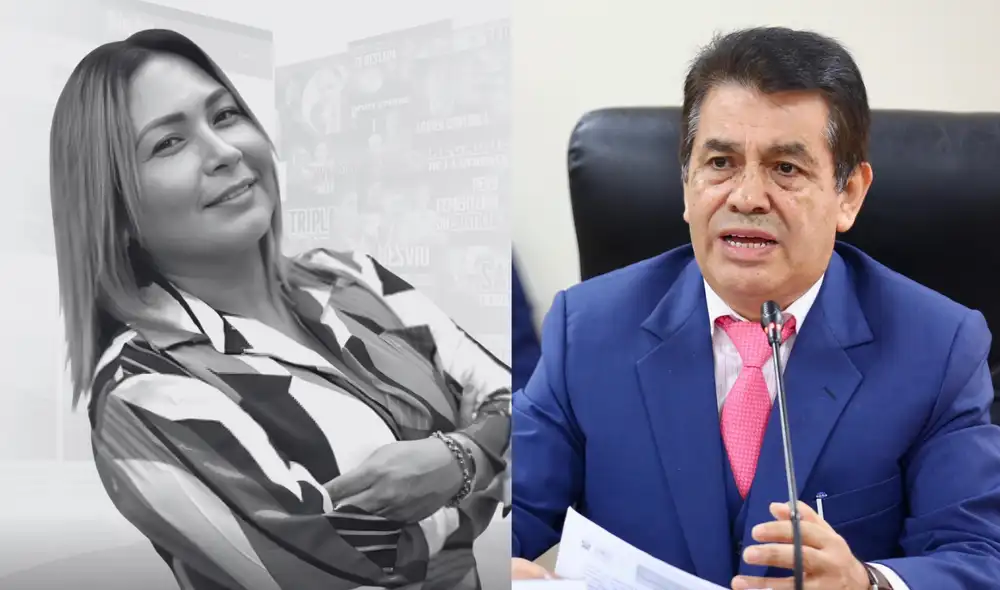
Gálvez explained that officers had detained the alleged hitman shortly after the shooting, followed by the arrests of a suspected financial sponsor of the attack and an individual believed to have transported the gunman hours prior to the crime. He added that the initial police theory identified one of the detainees as the organizer funding the operation, though he emphasized that investigators were treating that role as a suspicion while inquiries continued.
The Prosecution Service, known locally as the Fiscalía or Ministerio Público, operates as Peru's independent judicial agency responsible for criminal investigations, working alongside the National Police of Peru to conduct joint operations across the nation's 25 administrative regions.
Police custody and suspect identity
Following the initial public statements by the Prosecutor General, the Prosecution Service issued a clarification specifying that two men were formally held in custody in relation to the murder. Authorities identified both suspects as Venezuelan nationals, naming them as Luis Iván Obispo Díaz and Ronald José Toro Artila.
Investigators transferred Toro Artila from the national capital of Lima to the highland town of Caraz in Áncash as part of ongoing judicial proceedings. According to police records, Obispo claimed during questioning that the entire operation had been directed from Lima by Toro Artila. Investigators also confirmed that the gunman used a weapon belonging to a police officer to murder Aponte.
Áncash is a department in western Peru stretching from the Pacific coastline into the Andes mountains, where Caraz serves as an administrative center in the Callejón de Huaylas valley. Political campaigns in the region often involve intense competition among local regional movements.
Prior threats and police accusations
Nine days before her death, on Thursday, September 10, Aponte published a video on social media reporting that she was facing persistent threats and harassment. In the video, the candidate for the regional movement Socios por Áncash specifically named National Police of Peru General Víctor Revoredo, stating that he should be held responsible if anything happened to her.
General Revoredo previously served as head of DIRINCRI, the specialized Criminal Investigation Directorate of the National Police of Peru that handles high-profile homicides and complex criminal networks. Revoredo stepped down from his position at DIRINCRI following the killing of Aponte.
Political reactions and security demands
The murder drew immediate political condemnation across Áncash. Valentín Fernández, a candidate for mayor of Nuevo Chimbote representing the Socios por Áncash movement, expressed deep dismay over the assassination and demanded an immediate, independent, and rigorous investigation into the crime.
The Regional Government of Áncash issued a formal statement condemning the attack and called on the National Police and the Ministry of the Interior to implement a widespread police blockade to track down all parties involved. Regional officials also announced an urgent meeting of the National Council for Citizen Security to review protection measures and requested guaranteed security for political candidates participating in regional elections.
Regional governments in Peru, known as GOREs, administer public policy, infrastructure, and regional security initiatives, while coastal urban centers such as Nuevo Chimbote form key electoral constituencies within the department.