

Early signs of what could become the most devastating El Niño on record are already appearing in Brazil, according to the weekly bulletin from the ClimaInfo Institute, which compiles data from official agencies on rainfall, drought, wildfires and other indicators.
The bulletin said the increase in rainfall in the southern state of Rio Grande do Sul matches the pattern typically expected from the phenomenon. In the last week of July, more than 84,000 people across 171 municipalities in the state were affected.
According to the data collected, the South is historically the first region of Brazil to feel the effects of El Niño, with impacts beginning as early as the spring.
How El Niño reshapes Brazil's weather
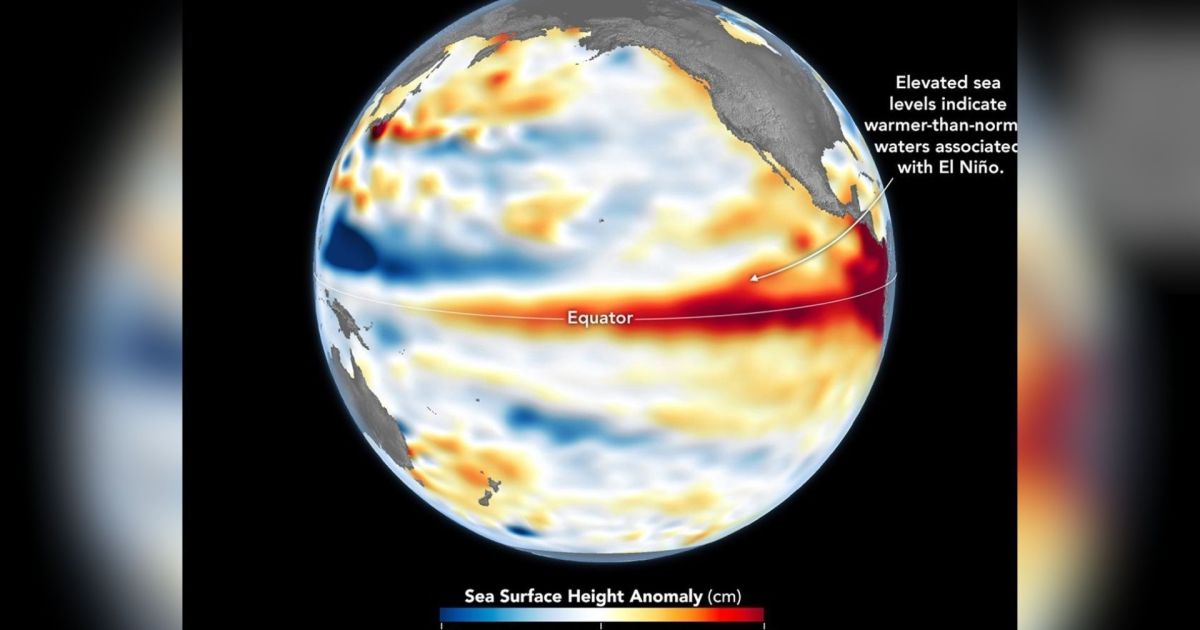
El Niño redraws the country's rainfall map, bringing heavier rain to the South, longer droughts to the North and Northeast, and greater risk of forest fires in the Amazon and the Cerrado savanna. The phenomenon is defined by an abnormal warming of surface waters in the equatorial Pacific Ocean.
In 2026, the temperature anomaly has already reached 1.8 degrees Celsius, a faster pace of warming than the historical average for this time of year. The European ECMWF model projects a peak above 3 degrees Celsius between September and December, with half of its simulations pointing to a figure near 3.3 degrees Celsius.
In June, wildfires ran 27% below the historical average and 14% below 2025 levels, a result the government attributes to a larger firefighting workforce and its National Policy for Integrated Fire Management. That picture could change, however, since El Niño tends to intensify drought in the Amazon and the Cerrado, raising fire risk at least until the end of September.
The El Niño Bulletin is a weekly publication from the ClimaInfo Institute that cross-references reports and data from federal institutes and agencies, including Inpe, Inmet and the National Water and Sanitation Agency (ANA), together with national and international press coverage of the phenomenon.
NOAA forecasts a historic episode
According to the U.S. National Oceanic and Atmospheric Administration (NOAA), the phenomenon could become one of the most intense episodes ever recorded since tracking began in 1950.
The agency estimates a more than 90% probability of a very strong El Niño by 2027 and a 69% probability that the episode will be historic, surpassing the intensity of previous events. Under this scenario, the sea surface temperature anomaly in the region could reach 2.5 degrees Celsius or more during the last quarter of 2026.
NOAA also puts the chance of an extremely strong event occurring between October and December 2026 at 95%. According to the forecast, the Northern Hemisphere is expected to be the most affected during that period.
Climate risks and low insurance coverage
Between 2022 and 2024, 67 significant climate events caused an estimated 184 billion reais in losses in Brazil. According to a survey by the National Confederation of Insurance Companies (CNseg), conducted with consulting firm EY (Ernst & Young), only 9% of those losses were covered by insurance.
CNseg also found that just 2.3% of Brazil's productive land area had insurance coverage in 2025, despite a sharp rise in extreme climate events over the past decade.
El Niño makes that gap more urgent. According to Inmet, El Niño episodes are associated with heavier rainfall in the South and reduced precipitation in parts of the North and Northeast. For insurers, the problem is that agriculture, real estate, vehicles, infrastructure and businesses can all be hit within the same period, meaning the concentration of losses matters as much as the scale of any single claim.


