

Spain's Congress of Deputies validated the government's wide-ranging housing decree on November 12, with the backing of the Basque Nationalist Party (PNV), one day before the official start of campaigning for the November 29 general election. The Popular Party (PP) has pledged to repeal the decree if its leader, Alberto Núñez Feijóo, becomes prime minister after the vote.
This time the government did not need the support of Junts per Catalunya, because of the different makeup of the Diputación Permanente, the standing committee that carries out the functions of the full chamber while parliament is dissolved.
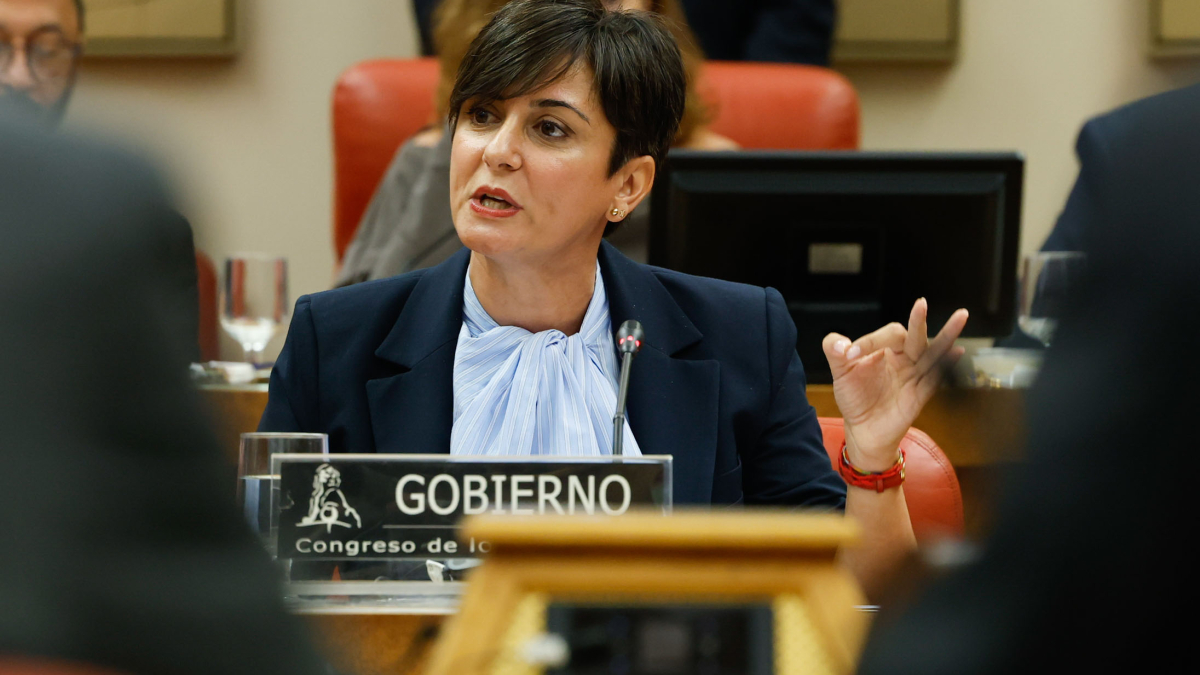
Housing Minister Isabel Rodríguez said that the right to housing had won on the day of the vote. The decree covers a two-year extension to expiring rental contracts, the suspension of evictions until 2031, limits on bulk purchases of homes by rental companies, a package of tax measures, a line of public loans of up to 50,000 euros at zero interest for first-home buyers, and the rollout of new European savings and investment accounts.
Why the decree came back
Unlike most decree validations, Congress's approval does not settle the matter. The full chamber rejected both housing decrees on October 2. Prime Minister Pedro Sánchez then used that rejection as grounds to dissolve the Cortes and bring both texts back, this time taking advantage of the Diputación Permanente's different seat distribution to pass at least one of them without Junts.
Timed to the election calendar
The government stretched the legal deadline for voting on the decrees to its maximum of 30 working days and scheduled the vote for the day after a general strike called over the housing crisis, which itself fell the day before the formal start of the election campaign. The Spanish Socialist Party (PSOE) is expected to use the measures in that campaign.
The outcome of the November 29 election is the biggest uncertainty hanging over the decree. The PP has repeatedly promised to scrap all government intervention on housing if Feijóo is invested as prime minister, and has put forward its own plan for the housing crisis, which it says has worsened every year of the current legislature.
PP spokeswoman in Congress Ester Muñoz said after the vote that the government was now rushing through the Diputación Permanente what it had failed to do in eight years, accusing it of using the decrees for political gain ahead of the campaign. Hours later, Sánchez opened his campaign in Seville and Feijóo opened his in Badalona.
Madrid's regional president, Isabel Díaz Ayuso, also attacked the decree, calling it a mess pushed through Congress in a sectarian and hasty manner. She said the regional government would not apply the measures within its own powers, which in this case would only affect restrictions on renting out individual rooms.
What the decree includes
Among its provisions: a two-year extension for rental contracts due to expire before December 31, 2028; a ban on companies buying homes for below 70% of their appraised value; the suspension of evictions until 2031, with a requirement for the authorities to guarantee alternative housing or cover the cost of unpaid rent; and new caps on rent increases of 2% or 0%, depending on whether the rent is below or above a reference index.
It also includes a broad tax package, with deductions for tenants and landlords who lower rents on new contracts, a measure tax advisers have called a real madness that will be difficult to apply, as well as reduced VAT for building subsidized housing, exemptions for selling empty homes to the state, and the zero-interest loan line for first-home purchases.
Rental supply falls sharply
Since the government bypassed the Congress vote and dissolved parliament to reapprove the decrees, the supply of rental housing has fallen sharply on Spain's main property websites. Listings for long-term rentals on Idealista dropped 19% last month, while prices rose 7% year on year, according to Pisos.com.
Purchase prices have also kept climbing, up 13.7% according to Tinsa by Accumin, as the first housing decree's entry into force failed to curb increases amid a mismatch between supply and demand.
Vox threatens legal action
The government's maneuver to push the main housing decree through the Diputación Permanente became a fresh source of legal uncertainty after Vox's spokeswoman in Congress, Pepa Millán, warned that the party led by Santiago Abascal would reserve the right to take legal action and file further appeals.
Vox's objection rests on the fact that the Diputación Permanente's makeup differs from that of the full chamber that rejected the decrees on October 2, and that the committee over-represents PSOE, which allowed the first decree to be validated without Junts's support.
The Diputación Permanente has 69 members: 27 from the PP, 24 from PSOE plus Congress president Francina Armengol, six from Vox, six from Sumar, one from EH Bildu, one from the PNV, one from Junts, one from ERC and one from the Mixed Group, held by Podemos.
Other specialists also questioned reapproving the decrees as royal decree-laws, which under Article 86 of the Constitution require extraordinary and urgent necessity. That is debatable, given that many of the measures, including the tax changes and the new European savings and investment accounts, will not take effect until early 2027.


