

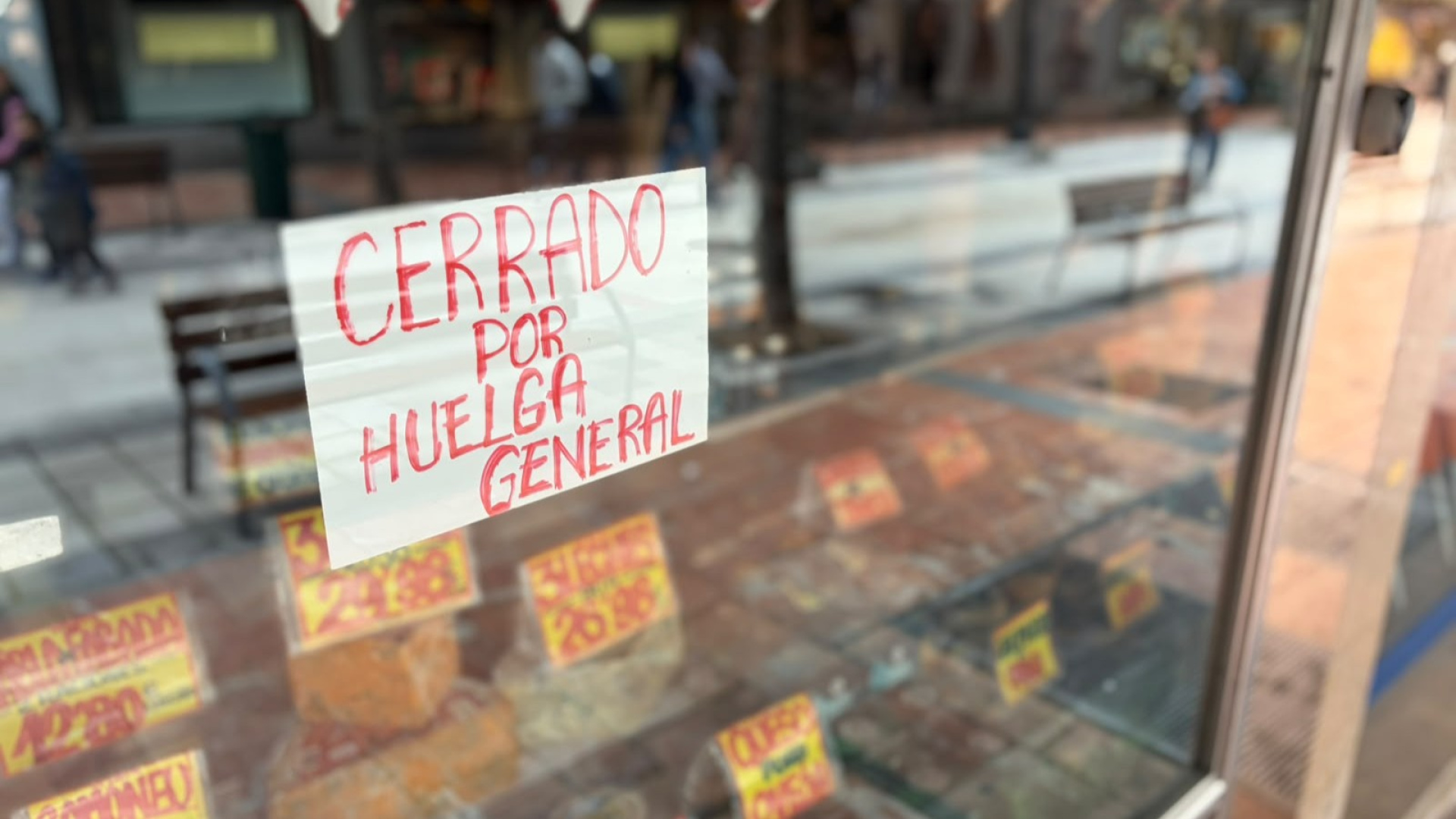
Spanish trade unions declared the general strike called for November 11 a resounding success, but the day's most reliable economic indicator pointed to a far more limited impact. Electricity consumption, long used in Spain as a proxy for how much of the workforce has stayed home, fell by only 7.5% by 11 a.m., according to grid operator Red Eléctrica. That drop was far smaller than in previous general strikes, exposing a wide gap between the unions' account of the day and the official data.
Speaking at a rally in Cibeles square in central Madrid, Pepe Álvarez, leader of the UGT (Unión General de Trabajadores), one of Spain's two largest unions, said the strike had turned into a success that had surprised even the unions themselves. He said it had gone better than the organizers could have predicted.
Uneven turnout across regions
Unions had not updated their participation figures by midday, but they admitted that turnout varied sharply from one region to another. According to Marta Ruiz, head of economy at Spanish radio network COPE, unions gave estimates earlier in the morning ranging from a 45% stoppage rate in the regions of Extremadura and Castilla-La Mancha to as high as 75% in Aragón and Andalucía.
Unions also said the strike had been followed strongly in heavy industry, citing a 90% stoppage rate in the car-making sector. That figure clashed directly with the numbers later released by the companies themselves.
Javier, a hotel manager in Valladolid, said he did not regard the day as a strike at all. He described it instead as more of a plebiscite, a kind of trial run ahead of a vote on November 29, and said every sector his business dealt with agreed that the stoppage had made no real difference.
Company figures tell a different story
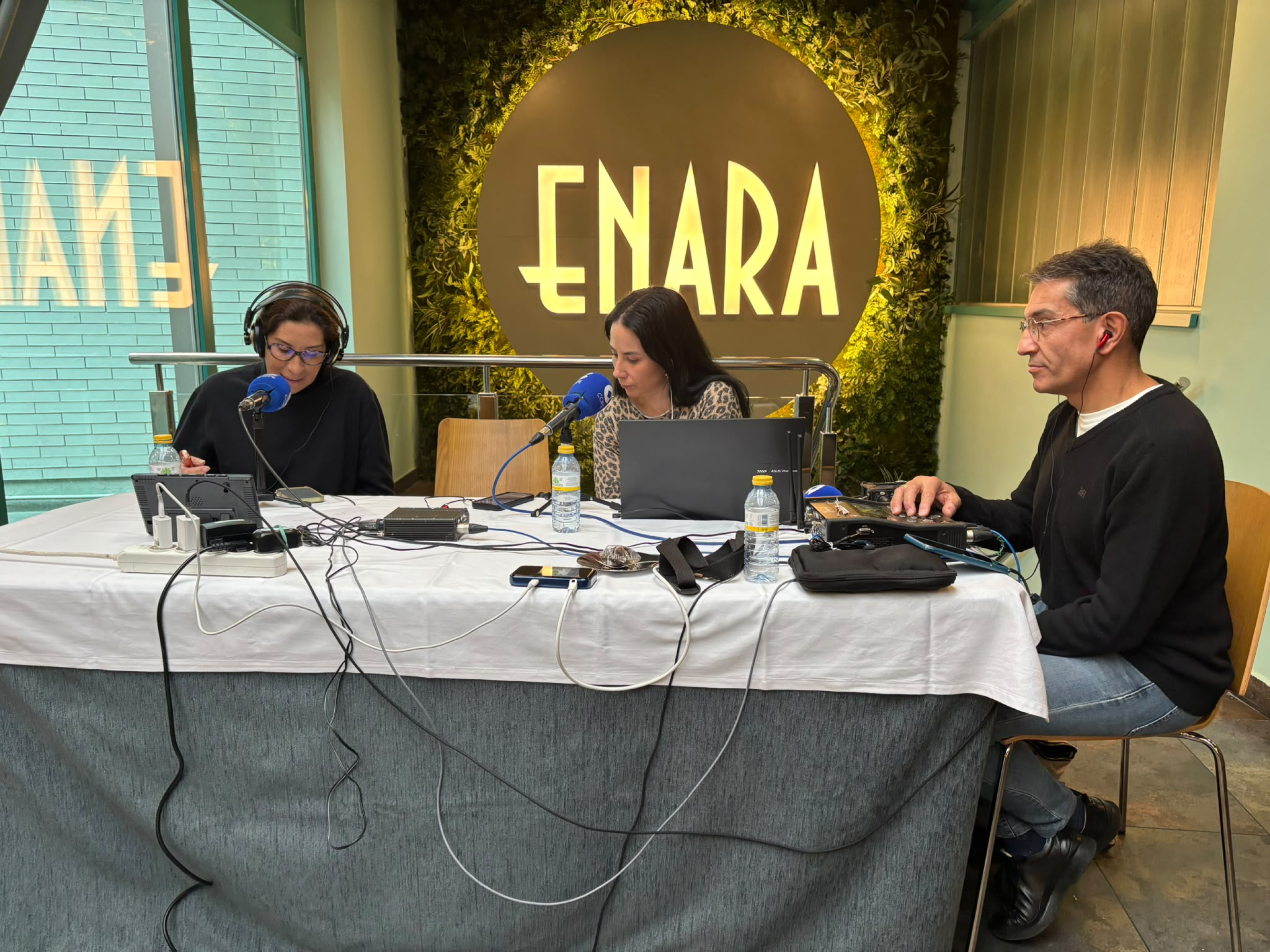
Beyond what became, in effect, a war of figures, journalist Pilar García de la Granja, reporting from Valladolid, set out turnout data supplied directly by major employers in the Castile and León region. At carmaker Renault, only 8.8% of staff joined the walkout, far below the 90% automotive stoppage rate unions had cited. At cheese producer Entrepinares the rate was 3.5%, and at tiremaker Michelin it was 4%. At consumer electronics group Philips and at canning company Helios, turnout was 0%.
At van manufacturer Iveco, 66 of its 966 employees took part, a rate of 5.6% of the workforce. García de la Granja said that on an ordinary working day in Spain, the rate of staff absence is typically higher than what was recorded on the day of the general strike.
Complaints over police conduct
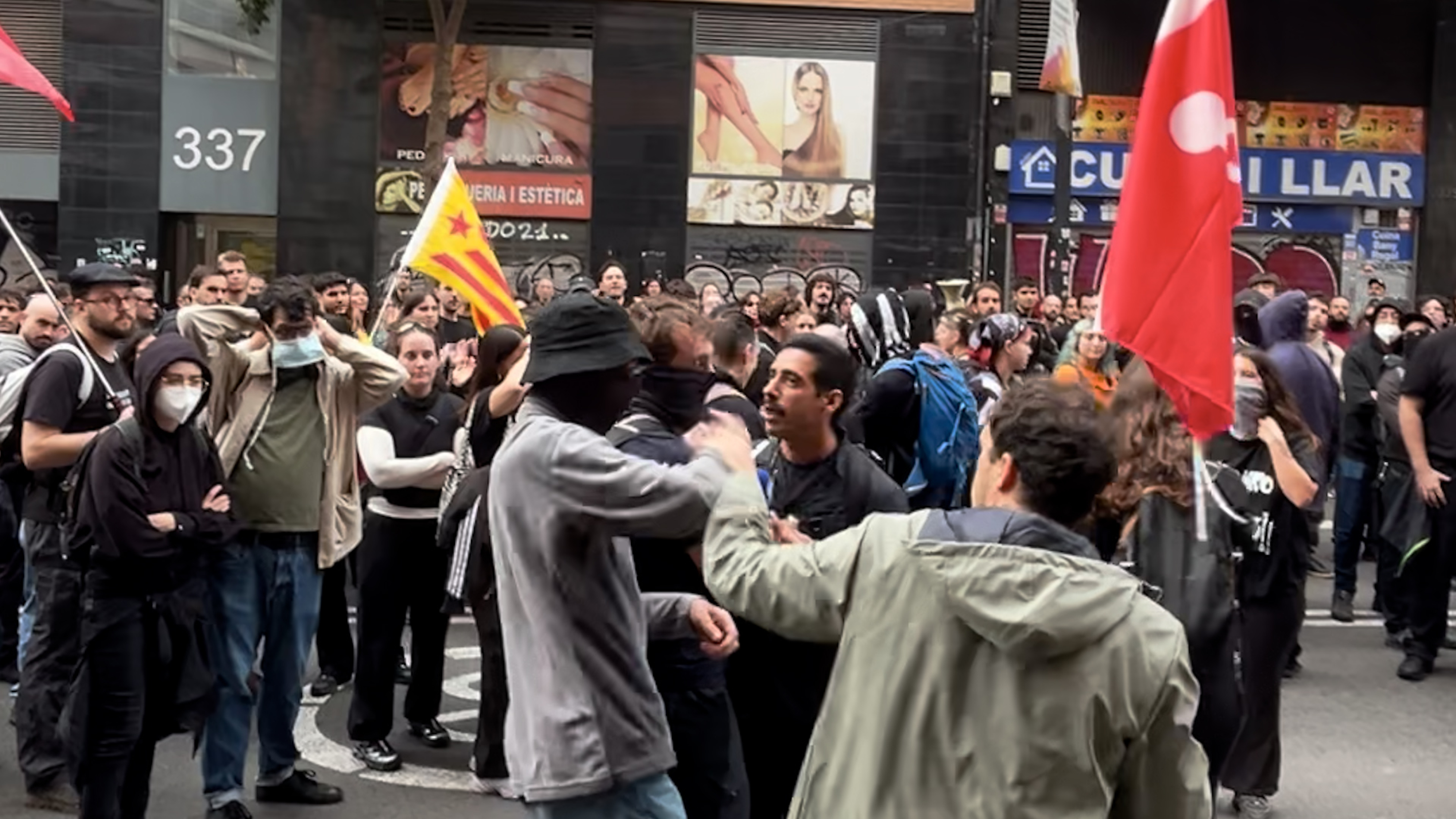
Beyond the dispute over numbers, unions devoted part of their public message to denouncing what they called police violence against informational picket lines, particularly in Madrid.
Unai Sordo, leader of the Comisiones Obreras (CCOO) union, Spain's other main labor federation, said the unions would take the matter to court. He said they would report what they had witnessed and go before the courts, arguing that no democratic society can exist without a democratic police force. He said some episodes of police violence overnight had no precedent in the history of Spain.
Alberto Herrera, a COPE journalist who said he was attacked by picketers in Barcelona, said that once the picketers spotted his COPE microphone, they surrounded his team and threw his phone. He said the microphone was then spray-painted red and that he and his colleague had to leave the scene.
Streets show little sign of disruption
García de la Granja said conditions on the ground pointed to a lower turnout than unions had claimed. Shops, bars and bank branches remained open across much of the country, she said, a picture of normality that contradicted the idea of a mass general strike.


