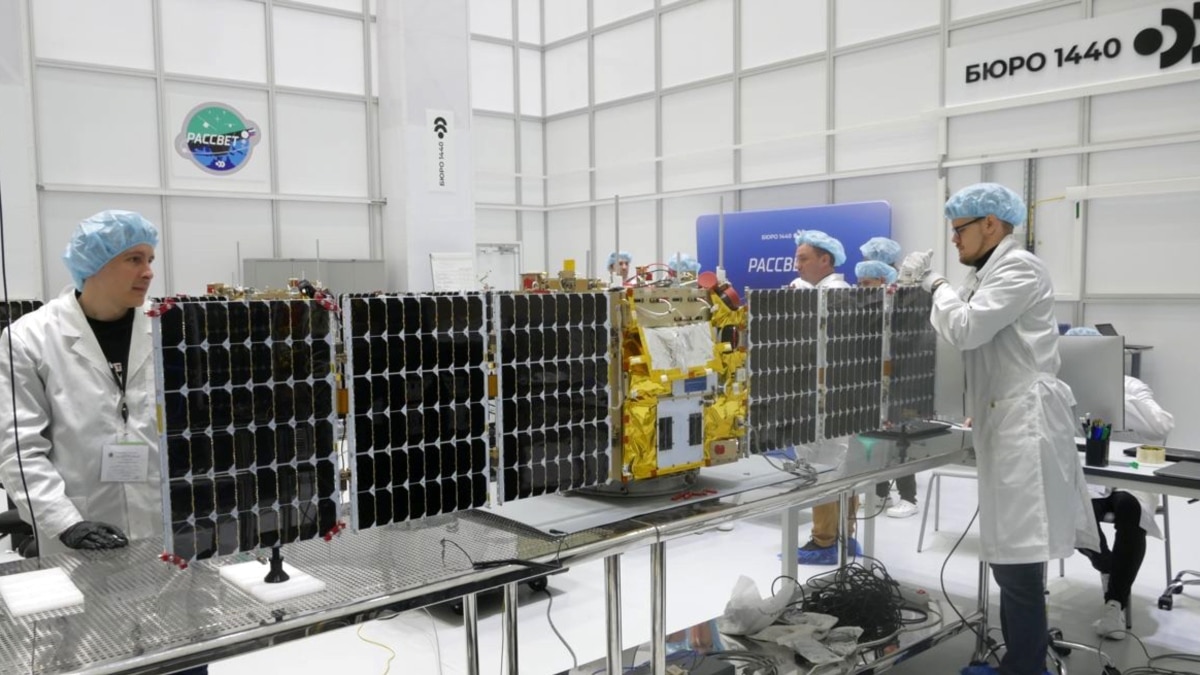
Russia began launching satellites for a new system called Rassvet in March 2026, a network Moscow describes as its own version of SpaceX's Starlink. A recent batch of satellites failed to reach its planned orbit, and the system still needs hundreds more spacecraft before it can provide full coverage of Russia, but its appearance has raised a question in Brussels: what is Europe doing to build an alternative of its own, according to Radio Svoboda (RFE/RL's Ukrainian Service).
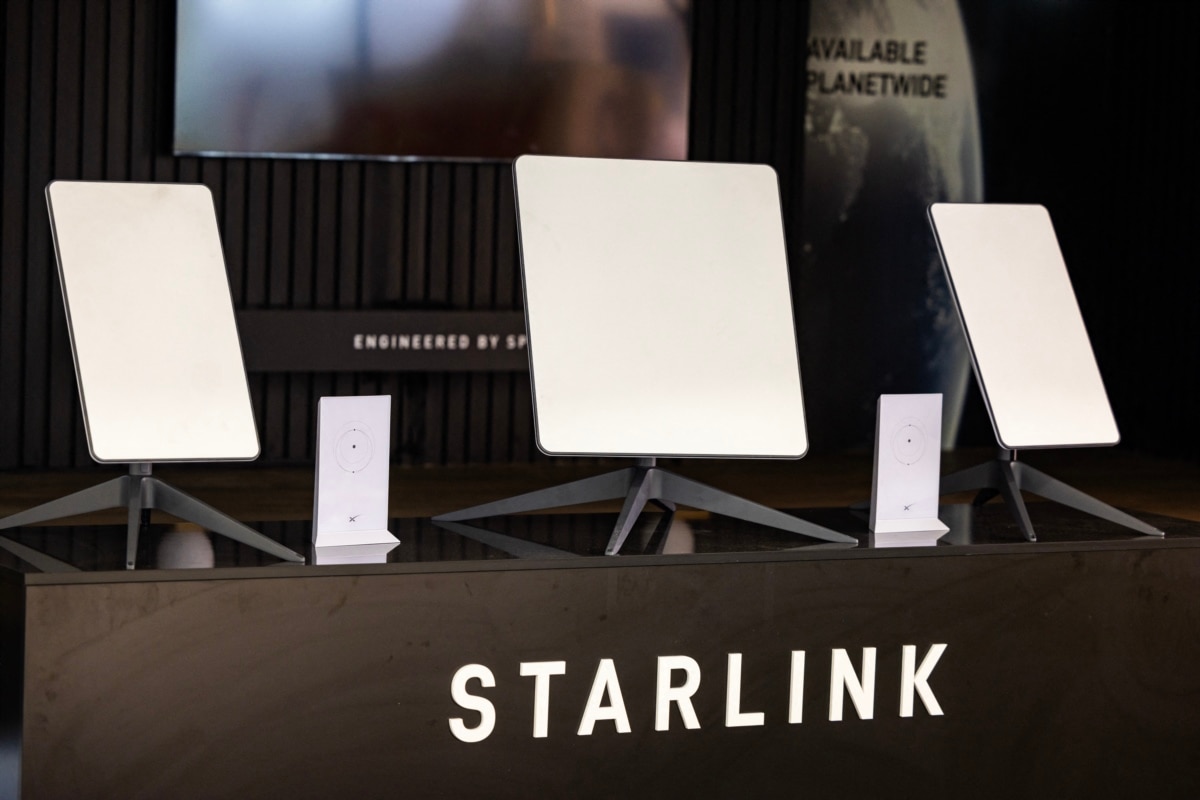
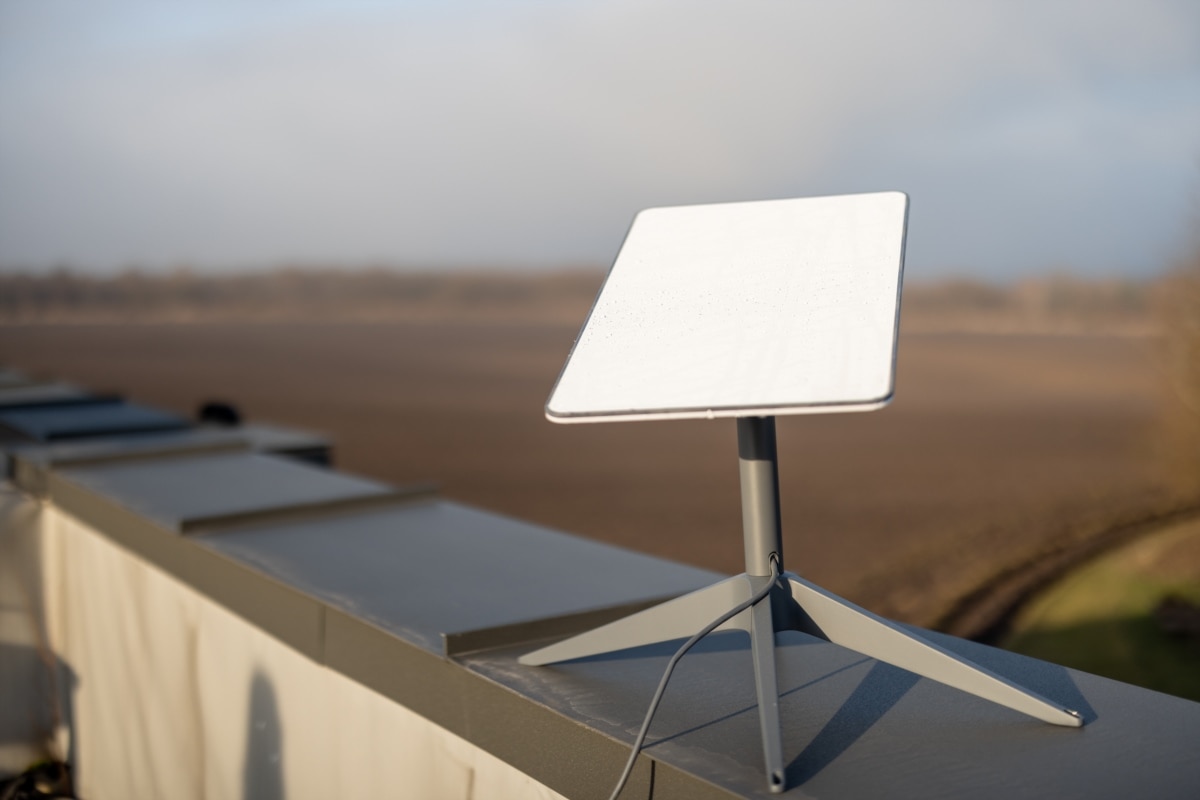
Starlink's advantage comes from a specific combination of features nobody has fully replicated: thousands of satellites in relatively low orbit, compact terminals weighing about a kilogram, and coverage almost anywhere with a clear view of the sky. Traditional telecom satellites have long operated at far greater heights, mostly on geostationary orbit roughly 35,000 kilometres from Earth, while Starlink flies at about 500 kilometres. The lower the satellite, the shorter the signal delay, which matters greatly in modern warfare. Terminal weight matters too. Europe's existing low-orbit network, OneWeb, uses terminals ranging from 5 to 15 kilograms. The European Union is now building a new system called IRIS² to compete on those terms, while Russia is building Rassvet.
Russia's Rassvet Program
Rassvet drew heavy media attention in August 2026 as a "space internet network that could strip Ukraine of its battlefield advantage." Moscow's urgency is linked to losing access to Starlink itself: after Russia was cut off from the system on 1 February, it accelerated its own deployment schedule. Rassvet put its first batch of 16 satellites into orbit in March 2026 and a second batch in July, alarming observers.
French researcher Nicolas Pillet, who studies Russia's space program, told Radio Svoboda that Russia's satellites genuinely fly over Ukraine every day, so it is not merely propaganda. He noted Russia began the Rassvet project in 2020, built prototypes within three to four years, and produced operational satellites within two more. He called the project real and its goal realistic.
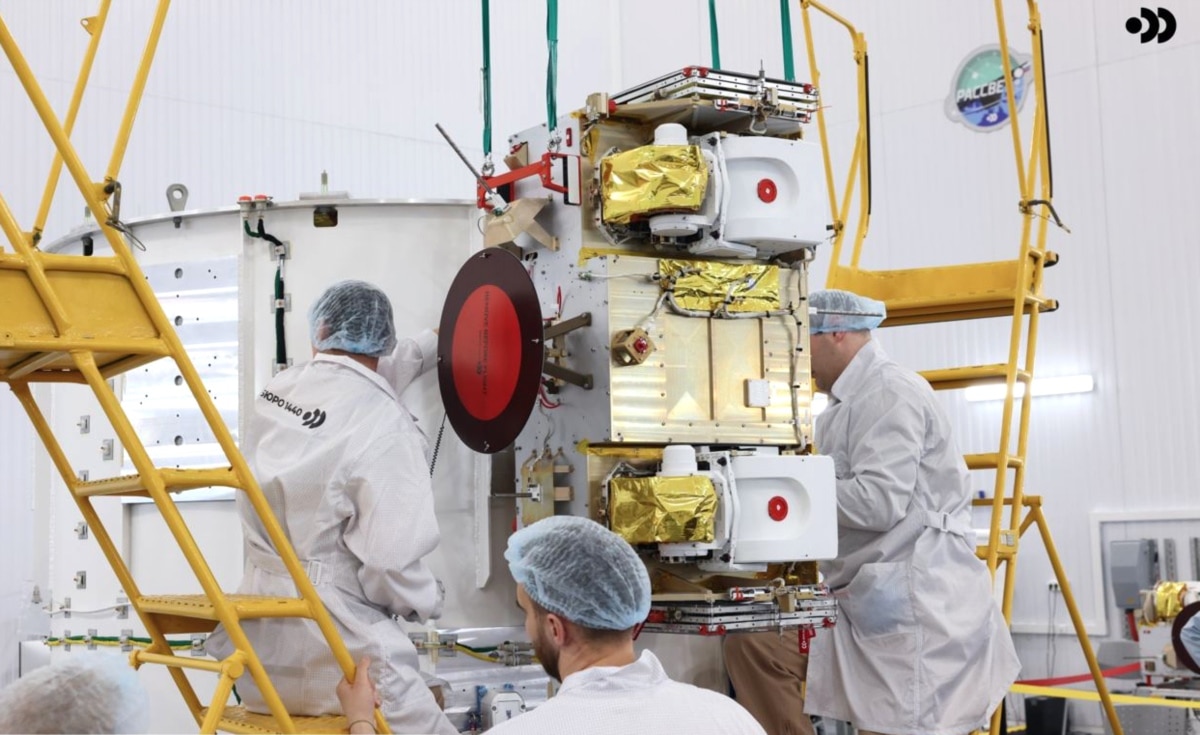
Yet the Institute for the Study of War (ISW) reported in late August that the July launch failed: none of the satellites reached their planned orbit of 870 kilometres. Many stopped at 300 to 400 kilometres, and some began losing altitude. The March batch fared better, with 12 of 16 satellites holding roughly 550 kilometres, and ISW said those satellites already gave Russian forces two brief communication windows over Ukraine each day, totaling up to an hour and a half.
Pillet compared the setbacks to Starlink's own early satellite losses, calling them not especially alarming, and said the bigger issue is that the satellites are settling below their intended altitude, which affects performance. Rassvet, though short of stable coverage, is partly functioning already and aims to put up to 300 satellites into orbit by the end of next year, which Russia considers enough for combat operations around Ukraine.
Europe's Response So Far
While Rassvet targets 300 satellites by the end of next year, SpaceX had launched 11,000 Starlink satellites by the end of August, according to the company. The EU, meanwhile, plans the first launches of IRIS² only at the end of 2029, with full deployment of 330 low-orbit satellites targeted for mid-2032.
European Commission spokesperson for defence and space Thomas Regnier told Radio Svoboda that Europe is not behind, arguing the bloc is not starting from zero because it already operates another major low-orbit network, OneWeb, now owned by the French-British company Eutelsat following a merger.

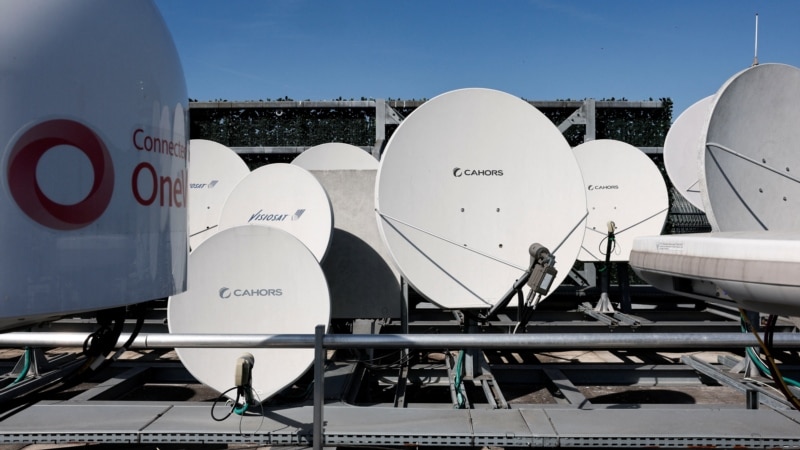
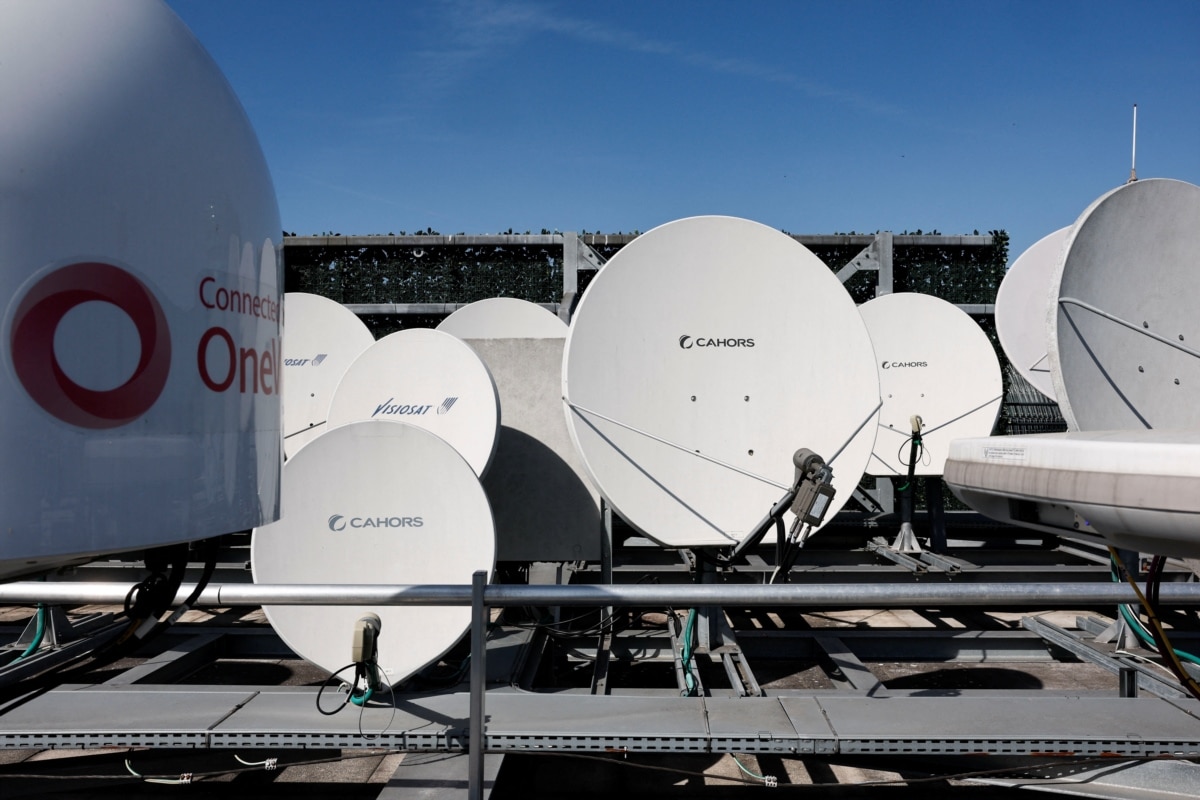
OneWeb already supports government communications, and Eutelsat has previously confirmed its use in Ukraine, funded entirely by Germany, the company told Radio Svoboda. But OneWeb cannot replace Starlink because of several shortcomings: too few ground terminals, terminals that are comparatively heavy, and a design never intended for military use from the outset.
Pierre Lionnet, research director at the European space industry association Eurospace, explained that OneWeb operates at about 1,200 kilometres, requiring larger terminals and more power than Starlink. Terminals compatible with OneWeb typically weigh around 5, 10 or even 15 kilograms, he said, while the smallest Starlink terminal weighs about 1.2 kilograms and now reportedly even close to 900 grams. Lionnet gave the example of a group of soldiers advancing through difficult terrain who want to stay in contact and send video back to headquarters: they can carry a Starlink terminal in a backpack without it being a serious burden.
The IRIS² Plan
The EU's answer is meant to be IRIS², a project conceived in 2021, given a legislative basis in 2023, and sealed with a concession agreement with the SpaceRISE consortium at the end of 2024. After its latest architecture review, the system envisions roughly 330 satellites in low orbit at 1,200 kilometres.
The Commission says IRIS² is designed to reflect new market realities and geopolitical challenges, with satellites and receiver terminals now developed in parallel, aiming for a small, mobile terminal that can be deployed quickly in the field. Its exact weight and size are not yet known because no finished design exists. In May 2026 the EU launched a roughly 20-million-euro competition to develop affordable Ka-band user terminals, focused on cutting costs and preparing for mass production.
Brussels resists calling IRIS² a Starlink competitor and stresses the differences. Starlink is a highly vertically integrated system, with SpaceX developing the satellites, terminals and software itself and keeping its technical standards closed. IRIS²'s government segment is meant to be more protected, with stronger encryption, military frequencies and tougher resilience requirements, while the broader ecosystem is meant to stay open to multiple manufacturers, a model officials compare to GSM mobile standards rather than one company's closed system. Asked whether roughly 350 satellites is too few next to Starlink's thousands, the Commission said IRIS² was never meant to be a global mass-market network on that scale; its priority is European coverage and guaranteed communications for government and defence needs.
National Programs vs a Single System
Lionnet argued the biggest problem facing Europe's satellite ambitions may not be technological. For decades, European states saw no need for fully autonomous military space infrastructure because they could rely on NATO, and by extension vast American space capabilities. That confidence has since weakened, and while the EU builds IRIS², its largest member states are separately investing in their own military space programs.

Germany stands out, having announced 35 billion euros in investment in military space capabilities over four years, covering not just satellite communications but a wider strategy including intelligence, Earth observation, communications protection and space situational awareness. Lionnet said some in Germany ask why they should pay twice, since German money funds a German system and then more German money flows to the EU, which invests it in IRIS², while political coordination between IRIS², German infrastructure and Eutelsat is currently almost nonexistent.
He said states want guaranteed control over critical military infrastructure and are not always willing to wait for complex joint EU programs, adding that everyone believes others are doing it wrong and that going it alone at the national level will work better. He said that if resources were pooled, far more capability could be achieved for less overall spending.
The Commission does not believe Germany's program will necessarily undercut IRIS², saying both systems will use similar military frequencies and that coordination of standards is already under way, including through NATO. Full interoperability, allowing a user to switch networks as easily as a phone roams between operators, does not yet exist. Poland has taken a different route, choosing not to build its own satellite system but instead buying guaranteed capacity within IRIS² itself. The Commission is negotiating a similar arrangement with three more member states.
Lessons From the War in Ukraine
The war in Ukraine exposed both Starlink's value and the risks of depending on it. In 2023, Elon Musk did not permit Starlink to be activated near Crimea for a Ukrainian operation against the Russian fleet. In autumn 2022, Reuters reported that Musk ordered restrictions on Starlink in parts of Ukraine during a counteroffensive, disrupting communications for Ukrainian forces.
That recognition pushed EU states toward greater investment: according to Eurospace, Europe's military space spending doubled between 2024 and 2025. Lionnet said Greece, Poland and Finland are among those now investing in military space infrastructure, though on varying scales, and that Europe is genuinely moving in this direction. He noted the French parliament specifically asked him to testify about the gap between Europe and the United States, Russia and China in satellite capability, which he called enormous, yet added that ten years earlier the same parliament heard the same warnings, back when the answer was that nothing threatened Europe because it sheltered under NATO's umbrella. That, he said, is where the fundamental shift has occurred.
Hybrid attacks from Russia have added to the urgency. Regnier said that after repeated drone incursions and airspace violations, awareness of the threat is growing sharply, pointing to recent weeks in Romania, Bulgaria and, most recently, Latvia, and saying nearly every member state, especially along the eastern flank, plus countries such as Belgium and Germany, has already experienced drone incursions.
What Happens Next
The Commission rejects the idea that Europe is behind and declines to frame IRIS² as a race against Starlink. Officials say the goal is not the largest satellite count or cheap home internet, but a system that cannot be switched off by a private company or another state, one usable for government and military communications, to which EU countries can add their own guaranteed capacity. Regnier said it is extremely important for Europe and the European Union to have sovereignty and its own highly advanced system for secure satellite communications.
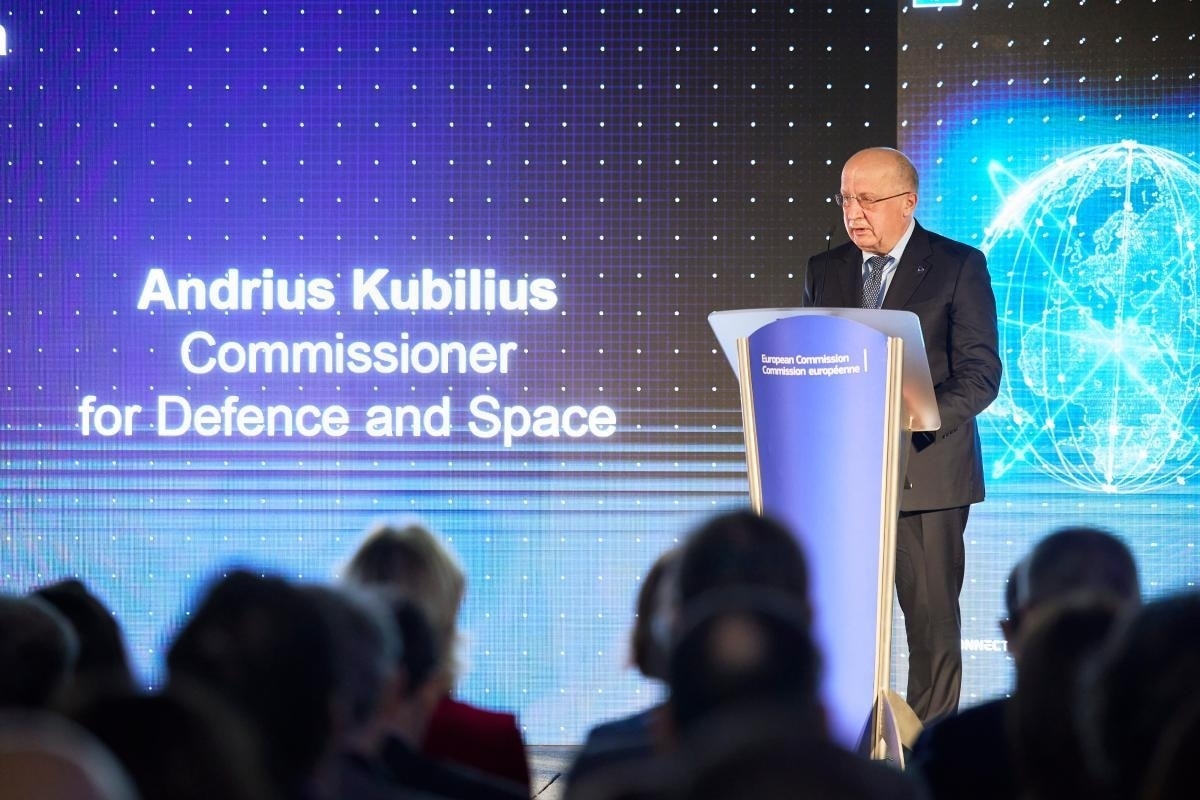
Europe still faces several years' wait. The Commission has already moved up its timeline, now planning the first IRIS² launches for 2029 instead of 2030, and EU Commissioner for Security and Space Andrius Kubilius wants at least a simplified first version of the system running that same year.