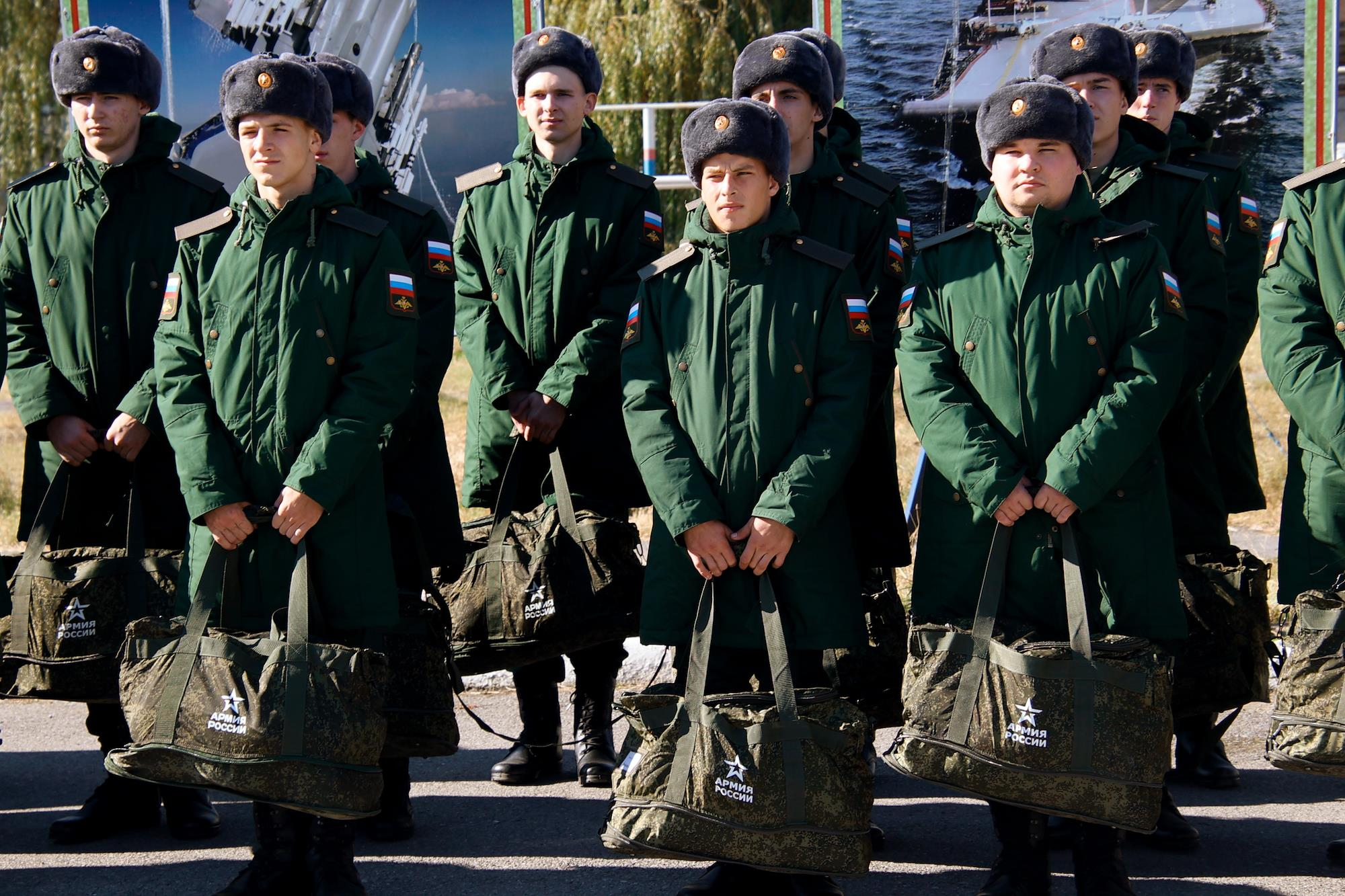
Russia has begun calling up 120,000 conscripts for its 2026 autumn military service campaign under new rules that make military drafting a year-round operation.
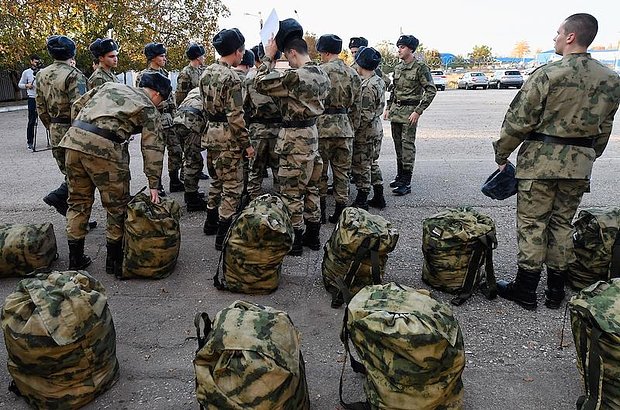
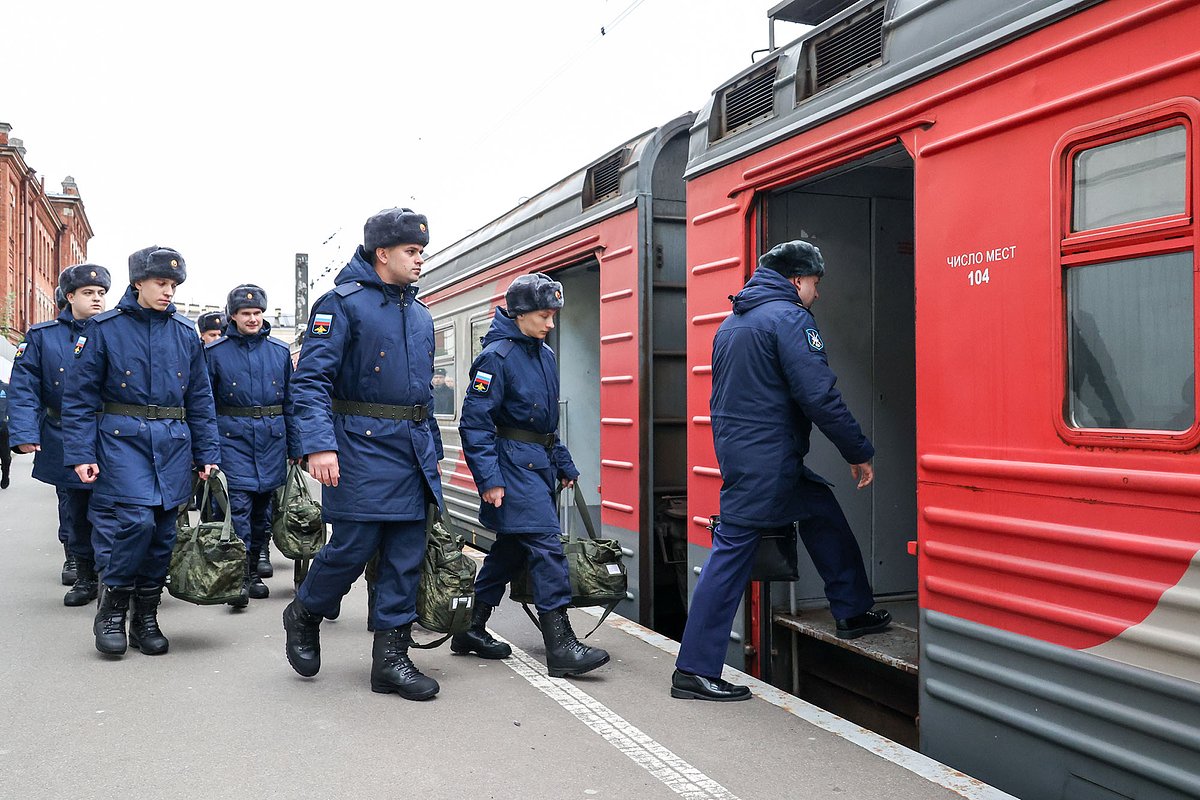
General-Colonel Yevgeny Burdinsky, head of the Main Organizational and Mobilization Directorate of the General Staff, told the military publication Krasnaya Zvezda that initial departures from assembly points would start on October 10. Overall annual draft targets for 2026 set by presidential decree stand at 261,000 recruits across the Russian Armed Forces.
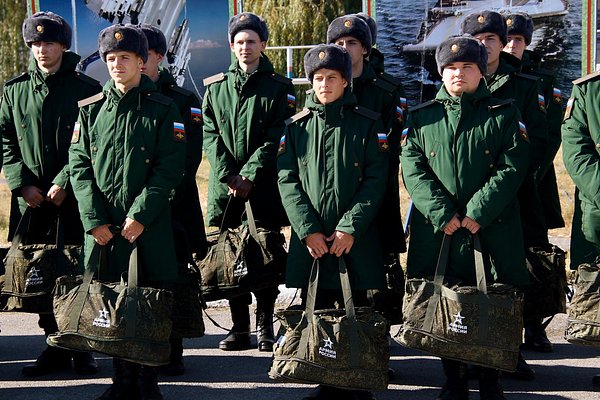
The autumn mobilization period marks the first fall draft since legislation went into effect on January 1, 2026, transforming Russia's military conscription process. Previously, conscription took place twice a year following seasonal presidential decrees. Under the updated legal framework, draft boards and military commissariats operate continuously from January 1 to December 31, conducting medical evaluations, psychological screening, and commission meetings throughout the entire calendar year.
General Staff officials reported that year-round medical examinations significantly accelerated administrative preparations, allowing military commissariats to complete roughly 80 percent of the autumn drafting list ahead of schedule. Despite continuous screening, the actual dispatch of fit conscripts to military units remains structured into traditional spring and autumn windows, with spring dispatches running from April 1 to July 15 and autumn dispatches taking place between October 1 and December 31.
Autumn dispatch schedules and eligibility criteria
While standard autumn dispatches run through December 31, the law establishes specific schedules for select categories of citizens. Rural residents involved in harvesting and sowing operations will begin their dispatches on October 15. Conscripts living in the Far North and equivalent remote territories will be dispatched between November 1 and December 31. Pedagogical workers are exempt from autumn dispatches entirely, as legislation limits their call-up to the spring and summer window between May 1 and July 15.
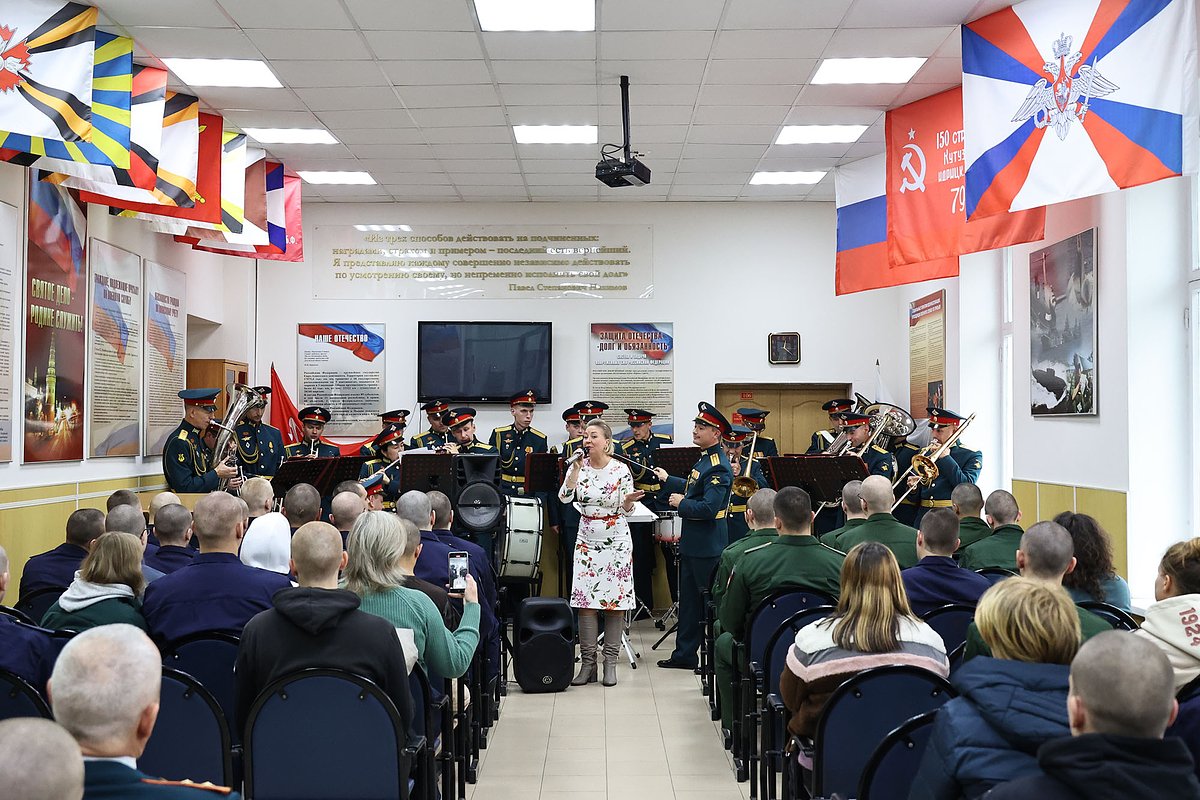
Conscription applies to male Russian citizens aged 18 to 30 who are not in the reserve and are obligated to perform service under the law on military duty and military service. The upper age boundary was raised from 27 to 30 on January 1, 2024, though men who turned 27 or older before the end of 2023 remain exempt.
Service personnel whose 12-month term of compulsory service expires in autumn 2026 will be discharged on schedule and sent home. Russian military authorities clarified that planned autumn conscription is routine and separate from active combat operations. Recruits drafted under compulsory service will serve exclusively within Russian regions and will not be deployed to the special military operation in Ukraine, although conscripts may choose to volunteer for combat zones by signing a contract with the Ministry of Defence.
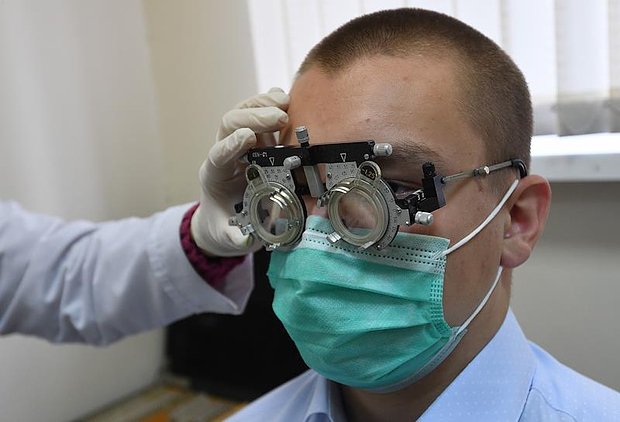
Before being assigned to military branches, conscripts must undergo medical examinations by specialists including internists, ophthalmologists, psychiatrists, surgeons, otolaryngologists, dentists, and neurologists. If necessary, candidates are referred for further evaluations by specialists such as cardiologists, endocrinologists, urologists, or gastroenterologists.
Draft boards categorize candidates into five health categories. Category A indicates complete fitness for all military branches, while Category B allows service in specific units despite minor restrictions. Category V exempts individuals from regular conscription while placing them in the reserve for wartime, Category G grants temporary deferments of six to 12 months, and Category D designates complete unfitness for service even during wartime. Only men assigned to Categories A and B are drafted during the autumn campaign.
Exemptions and annual military training camps
Russian law grants complete exemption from conscription to individuals who have already performed military service or alternative civilian service, as well as those who served in foreign militaries under international treaties signed by Russia. Men facing legal proceedings, individuals serving sentences such as corrective labor or arrest, and citizens with uncleared or un-cancelled criminal records are also ineligible for service.
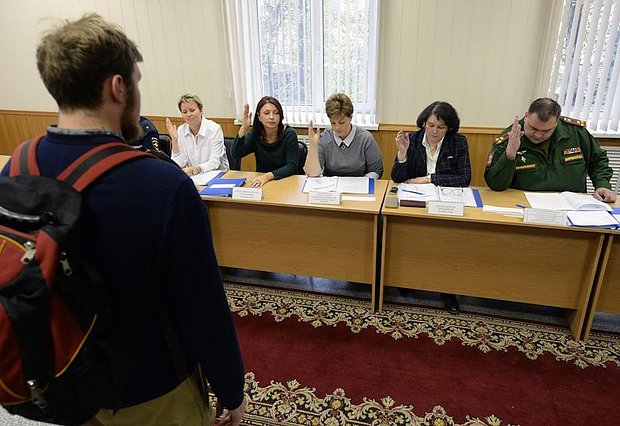
Certain citizens hold statutory rights to decline conscription, including holders of academic degrees, as well as sons and brothers of conscripts, reservists, or service personnel who died during military service or training camps, or succumbed to injuries and illnesses sustained during service.
In addition to regular conscription, Russia conducts annual military training camps for citizens in the reserve, including those who previously served, held deferments, or received exemptions. Training camps last up to two months and can be assigned to an individual once every three years at most, with job positions and salaries legally protected. Failing to attend training camps incurs administrative fines ranging from 10,000 to 30,000 rubles.
Under statutory amendments effective September 25, 2026, military personnel and citizens summoned to training camps can be directed to undergo mandatory medical testing for alcohol, drug, or toxic intoxication. Refusing to undergo intoxication testing is classified as a gross disciplinary infraction.
Deferment categories and IT sector regulations
Deferments from conscription are available to full-time students and doctoral candidates at accredited educational institutions, school pupils, State Duma and regional parliament deputies, and qualified staff with higher education serving in the fire service or the Federal Penitentiary Service. Deferments also extend to single fathers, guardians of minor siblings or dependent relatives, fathers of two or more children, fathers of disabled children under age three, men caring for close relatives, and husbands whose wives are at least 22 weeks pregnant with a second child.

Employees in the information technology sector qualify for deferments if they hold Russian citizenship, are aged 18 to 30, work full-time under employment contracts at IT companies accredited by the Ministry of Digital Development, and possess recognized higher education degrees. Candidates must have worked at accredited firms for at least 11 months, though recent university graduates who completed their studies within the preceding year are exempt from the 11-month requirement.
To obtain an IT deferment, eligible employees submit applications through the Gosuslugi public services portal, after which employers forward consolidated lists to the Ministry of Digital Development and draft boards. Following legal updates on March 25, 2026, IT deferment submissions are no longer bound by a strict deadline of 50 days prior to the start of seasonal dispatches, allowing year-round processing.
Graduates of educational institutions operated by the Ministry of Internal Affairs who immediately enter police service, as well as officers studying part-time at police academies, receive deferments for the entire duration of their education and subsequent service.
Digital summons registry and non-appearance penalties
Russia has fully operationalized its digital Registry of Summonses at reestrpovestok.rf in 2026, alongside paper notices. Electronic summonses sent to a citizen's personal account on the registry or the Gosuslugi portal are legally deemed delivered seven days after publication, regardless of whether the recipient opened the notification or holds an active Gosuslugi account.
Paper summonses remain valid and may be delivered by registered mail with return receipt or served in person at a residence, workplace, or educational institution under personal signature. If a recipient refuses to sign, officials execute a formal act, and the document is legally considered served. Summonses delivered to relatives carry no legal validity.
Upon receiving a summons, citizens must appear at the military commissariat on the specified date unless excused by legitimate reasons such as severe illness, injury, disability, or critical health conditions of immediate family members. Absences must be officially reported in person, by telephone, in writing, or via Gosuslugi. Conscripts must present identity documents, education credentials, medical records, deferment proofs, and family status certificates during their appointments.
Draft commission decisions remain valid for one year. If a candidate is not dispatched during the current intake, the decision carries over to the next period without requiring repeated medical boards. Unfavorable decisions can be appealed through higher draft commissions or judicial courts.
Once a summons appears in the digital registry, the recipient is legally banned from leaving Russia until attending the commissariat or providing valid justification. Failing to appear within 20 days of the scheduled date triggers automated restrictions, prohibiting property transactions through Rosreestr, vehicle driving, driver's license issuance, registration as an individual entrepreneur or self-employed worker, and bank loan or mortgage applications.
Administrative fines for failing to notify commissariats of changes in marital status, education, workplace, or residence range from 1,000 to 20,000 rubles. Leaving a registered residence for over three months or traveling abroad for over six months without notice incurs fines of up to 20,000 rubles, while evading medical examinations carries fines between 15,000 and 25,000 rubles. Criminal penalties for intentional draft evasion include fines up to 200,000 rubles, arrest up to six months, forced labor up to two years, or imprisonment up to two years.
Military training, alternative service, and contract options
Newly conscripted soldiers are sent to training units for up to five months to acquire a military occupational specialty and master military equipment before being assigned to permanent units. Training periods can be reduced to three months if a conscript signs a voluntary contract with the Ministry of Defence to deploy to the special military operation zone.
Conscripts receive balanced, high-calorie meal rations with options between two hot dishes, along with baked goods such as buns, cookies, and vatrushkas. Pre-packaged field rations are restricted to outdoor field exercises and cannot be used for more than three consecutive days, after which mobile field kitchens provide hot meals.
Citizens whose religious or moral convictions conflict with military service, or who belong to indigenous small-numbered ethnic groups carrying out traditional lifestyles and crafts, may apply for Alternative Civil Service. Applications must be submitted six months prior to dispatch periods, such as April 1, 2027, for autumn 2027 service, or within 10 days if a deferment ends prematurely. Assigned civilian roles approved by the Ministry of Labor include livestock breeders, painters, bulldozer operators, cooks, and elevator operators. Alternative service lasts 18 months in civilian roles within military institutions and 21 months in non-military civilian organizations.
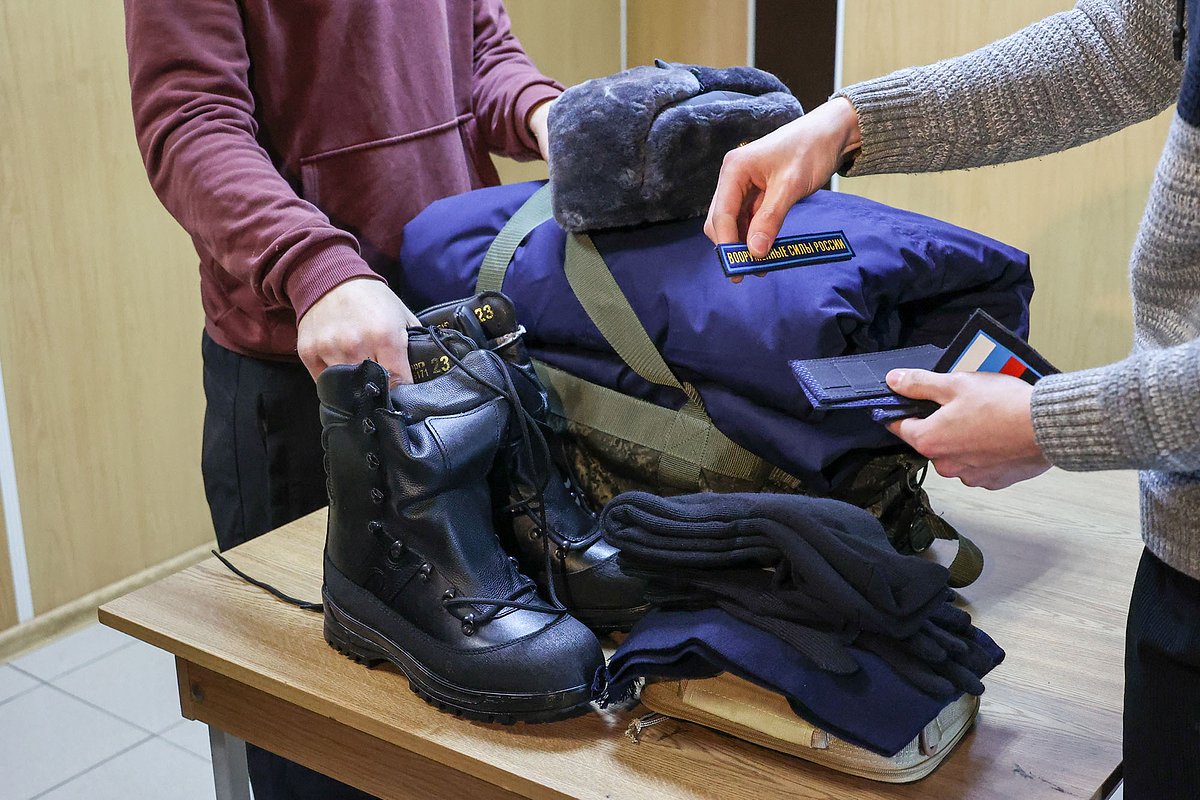
Conscripts and other citizens may also choose voluntary contract military service. Under current military regulations, contracts signed during the special military operation cannot be terminated early or upon expiration, remaining automatically extended. Statutory changes enacted in 2022 removed upper age limits for contract service, allowing men and women of any age to enlist.
Upon completing compulsory service, soldiers are discharged into the military reserve, which also includes military university graduates, alternative service completers, military department alumni, individuals deferred or exempted until age 30, and women holding military specialties. Reserve call-ups for emergency training assemblies are issued by presidential order in their capacity as Supreme Commander-in-Chief.