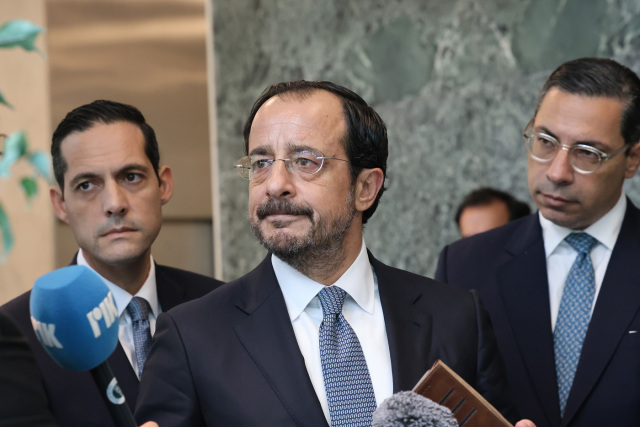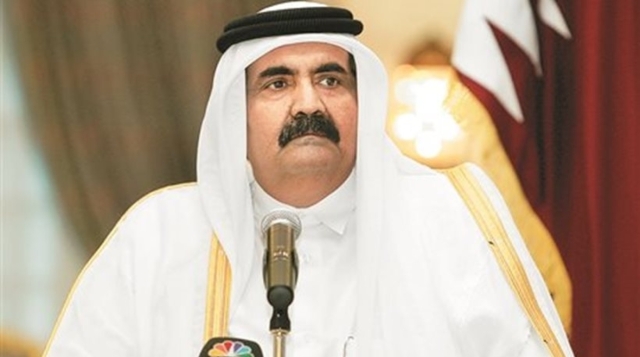
Qatari Prime Minister Sheikh Mohammed bin Abdulrahman Al-Thani said mediation between the United States and Iran has made significant progress towards securing an agreement.
Speaking in comments broadcast by the Al Jazeera television network, Al-Thani stated that his country's mediation efforts continue to prevent an uncontrolled escalation of the situation across the region.
Al-Thani said the American government remains willing to find a solution even after Tuesday's midterm elections, describing that position as a sign that Washington's interest in reaching a deal has not changed. He expressed confidence that a settlement can be reached, adding that negotiators cannot wait to achieve a perfect agreement and hope instead to secure a good deal.
Missile strikes reported on Qeshm Island
The diplomatic push comes as reports emerged of fresh military strikes inside Iran. The semi-official Iranian news agency Tasnim reported that preliminary information indicated two missiles had struck Qeshm Island, an Iranian territory in the Persian Gulf.
Tasnim added that there is no official information regarding casualties or damage on the island. The United States has not announced any attack against targets located on Iranian territory.
Countries across the Middle East had anticipated that US President Donald Trump might resume attacks once voting finished. Trump had avoided strikes against Iran in the weeks leading up to Tuesday's midterm elections, but regional governments expected military action could restart following the conclusion of the electoral process.
Threat of regional retaliation
Tehran has repeatedly warned that it will retaliate against any new attacks. Iranian officials have stated that Tehran would respond to fresh strikes by targeting American and Israeli assets in neighbouring countries across the region.
Qeshm Island is situated along the Strait of Hormuz, a narrow waterway separating Iran from the Arabian Peninsula. The strait is the world's most critical maritime chokepoint for energy supplies, carrying roughly a fifth of global petroleum consumption, meaning any military action nearby carries severe risks for international shipping.
Qatar's role as diplomatic mediator
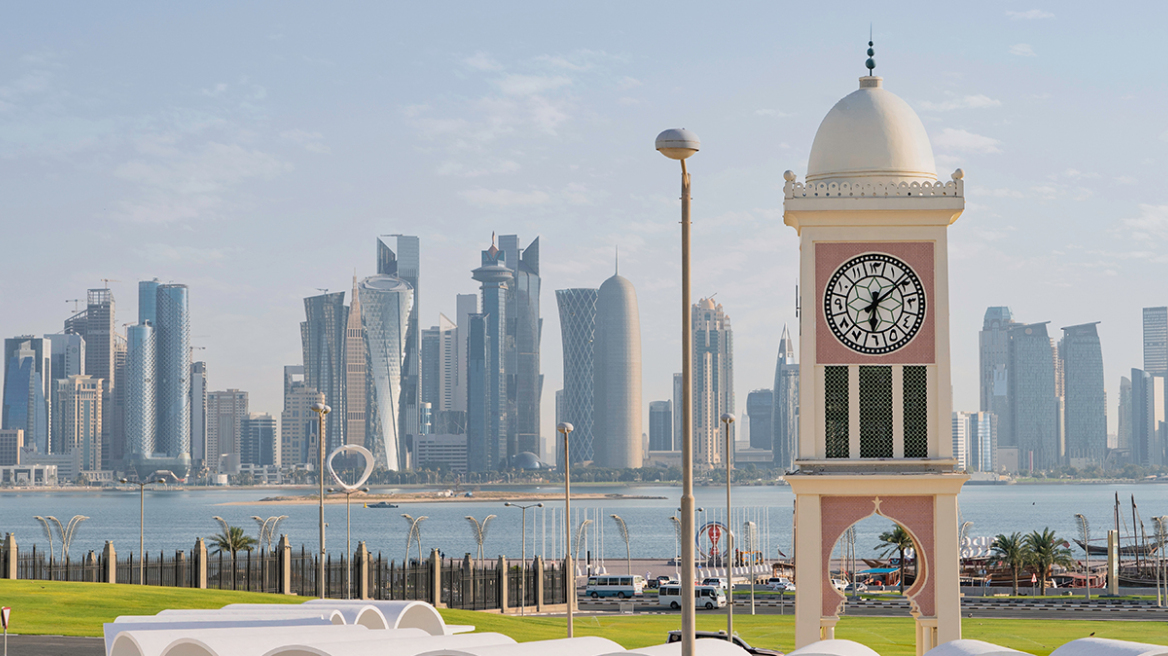
Qatar has frequently operated as a neutral intermediary between Washington and Tehran. Because the United States and Iran do not maintain direct diplomatic relations, both nations have relied on Doha and other regional partners to pass messages, negotiate prisoner releases, and conduct indirect talks on security and nuclear issues.
Sheikh Mohammed, who also serves as Qatar's minister of foreign affairs, has directed Doha's shuttle diplomacy across multiple Middle Eastern conflicts. His latest remarks indicate that despite rising military tensions and fears of retaliation, backchannel discussions remain active between Washington and Tehran.