Soviet crime boss Petrik founded the Mazutkinskaya organized crime group in Moscow during the late 1970s and later became a key figure in the Russian underworld. Born on November 13, 1962, in Moscow, Petrik was known for extreme secrecy from childhood and entered crime as a teenager while avoiding police attention for years. Due to legal considerations, Russian news outlet Lenta.ru referred to him only by his moniker Petrik, as his status as an organized crime leader was never established in court.
Petrik received his first criminal conviction in 1985 when the Kirovsky District Court of Moscow found him guilty of theft and sentenced him to four years of imprisonment. Prior to his arrest, he established the Mazutkinskaya organized crime group, named after Mazutny Proezd in northeastern Moscow where he resided, a street now known as Pavel Korchagin Street.
While most street gangs in the late 1970s focused on robberies and fights, the Mazutkinskaya group systematically built a revenue system. By the mid-1980s, the group controlled restaurants and cafes in central Moscow, alongside auto markets and repair shops. The gang also extorted merchants at the Severyanin train platform and the Square of Three Stations, threatening, beating, and robbing business owners who refused protection services.
First convictions and the Talkov murder case
In the mid-1980s, a Moscow businessman refused to pay protection money to the Mazutkinskaya group, leading gang members to assault him. The businessman reported the attack to police despite receiving threats, resulting in Petrik's arrest in the summer of 1989 shortly after his release from his initial theft sentence.
Following an investigation lasting more than a year, a court convicted Petrik of extortion and robbery in October 1990. He received an initial five-year prison sentence, which was later reduced to three years. During his second prison term, Petrik gained broader notoriety beyond criminal circles due to an incident involving one of his associates.
On October 6, 1991, a fatal conflict erupted at the Yubileyny Sports Palace in St. Petersburg before a joint concert over the performance order of artists. Igor Malakhov, a member of the Mazutkinskaya group, represented the singer Aziza during the dispute against Valery Shlyafman, the concert director for singer Igor Talkov. A verbal altercation escalated into a physical brawl involving Talkov, during which Talkov was fatally shot.
Malakhov initially fled the scene as the chief suspect before surrendering to police. Decades later, investigators determined that Shlyafman accidentally shot Talkov during the struggle after grabbing a revolver and subsequently fled abroad. Thirty-three years after the shooting, a court convicted Shlyafman in absentia and sentenced him to 13 years in prison. Media reports suggested Petrik's connections helped Malakhov hide after the incident, though official confirmation was never produced.
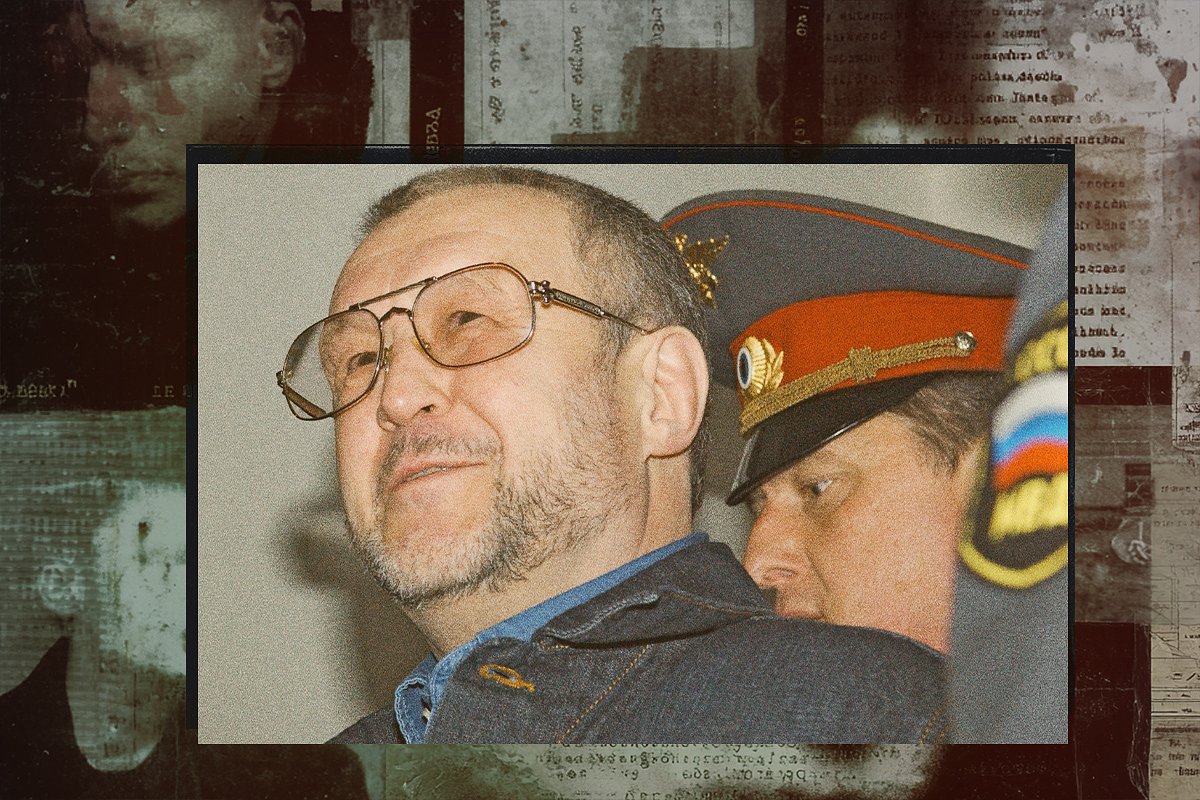
Coronation and flight to Europe
Petrik was released from prison for the second time in 1992 as the Mazutkinskaya group was dissolving, with its members joining the Solntsevskaya and Koptevskaya crime organizations. In 1992, Petrik was crowned as a thief in law with the endorsement of Vyacheslav Ivankov, known as Yaponchik, who was a dominant patriarch of the Russian criminal world.
Ivankov intended for Petrik to maintain the influence of the Slavic wing of thieves in law within Russia while Ivankov resided abroad. Known by the nickname Lenya Khitry, meaning Lenya the Sly, Petrik avoided public conflicts and acted as a mediator at closed meetings. Contrary to Ivankov's plans, Petrik departed Russia shortly after his coronation, either out of fear of new criminal charges or to avoid internal power struggles.
Petrik traveled first to Ukraine, where he officially married and adopted his wife's surname to mislead Russian law enforcement. He soon relocated to Austria and briefly lived in Israel in the mid-1990s before leaving after a conflict with local crime leaders. Europe ultimately served as his primary refuge for decades.
French police arrest and Ivankov succession
Despite residing abroad, Petrik retained influence in the Russian criminal hierarchy by attending major thief gatherings across France, Austria, Germany, Belgium, and the Netherlands. In 1995, French police arrested Petrik at a villa in Nice under suspicion of using forged documents.
A French police officer telling local journalists about Petrik described him as having the head of a killer and a torso resembling a wardrobe rather than a human body, noting that he was small but massive with scars across his body.
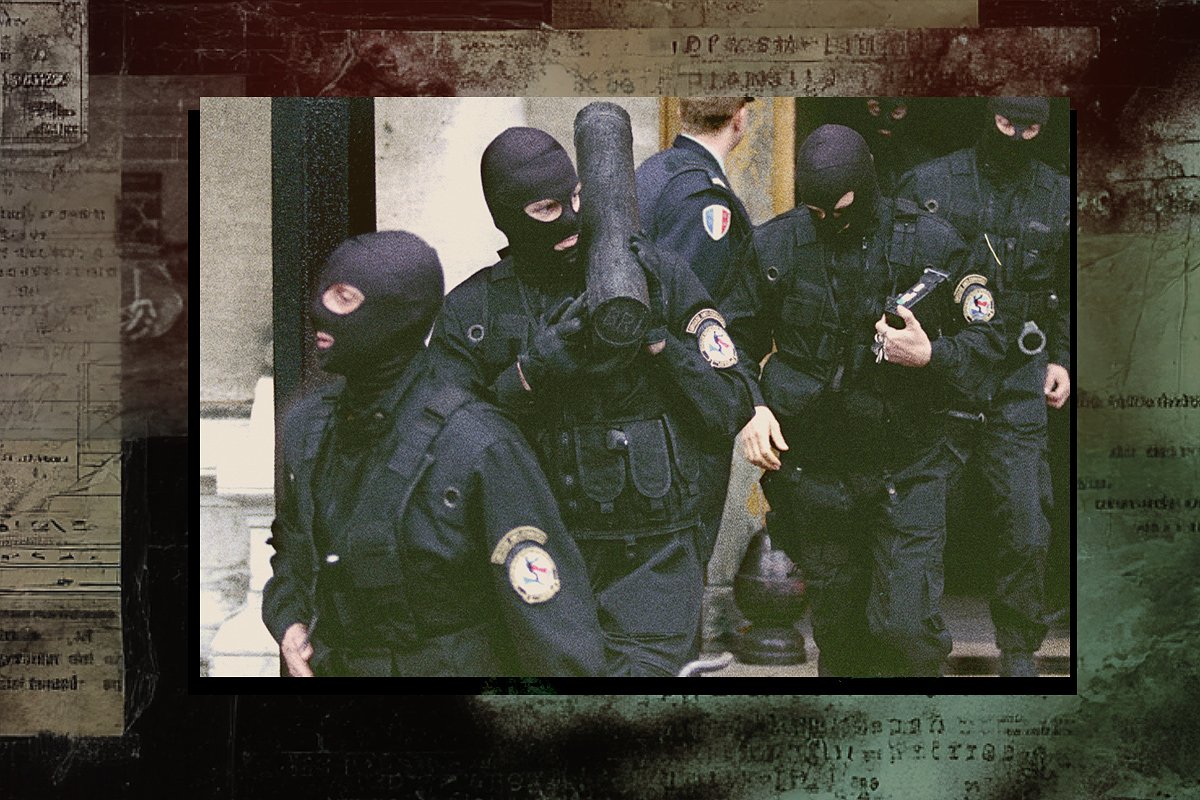
The charges regarding forged documents collapsed following a police review, and French authorities subsequently failed to deport Petrik for immigration violations when a French court refused to extradite him to Russia. Underworld reports claimed that approximately one million dollars was allocated from the criminal common fund to secure his legal defense, though the claim was never officially verified.
Petrik maintained his connection with Ivankov and was among the first to visit him in the hospital following an assassination attempt against Ivankov in the summer of 2009. Following Ivankov's death, media outlets identified Petrik as a potential informal successor who mediated disputes between rival criminal clans.
Law enforcement agencies never obtained direct evidence linking Petrik to the organization of major crimes. In 2019, media reports falsely announced Petrik's death in Ukraine, though the deceased individual was later identified as a local crime figure who shared the same name. Petrik currently resides abroad with his assets and rarely visits Russia, remaining one of the few surviving major figures from the Yaponchik era.