Peruvian lawmaker Christian Aranda of the Renovación Popular party has faced widespread condemnation after exposing confidential medical details and the full name of a woman who requested a therapeutic abortion at the Guillermo Díaz de la Vega Regional Hospital in Abancay, Peru.
Aranda disclosed the identity of the patient inside an official letter sent directly to the hospital director, in which he also demanded the full names of the medical board members who participated in evaluating her care. Although the congressman subsequently denied publishing the patient's name, journalist Cristian Rebosio publicly released the official document to refute his claims and confirmed that the woman's name was explicitly written on the page.
Abancay is the capital city of the Apurímac Region in southern Peru, where public healthcare facilities operate under national health guidelines managed by the Ministry of Health. Under Peruvian law, therapeutic abortion is permitted when necessary to preserve the life or prevent serious, permanent harm to the health of a pregnant woman.
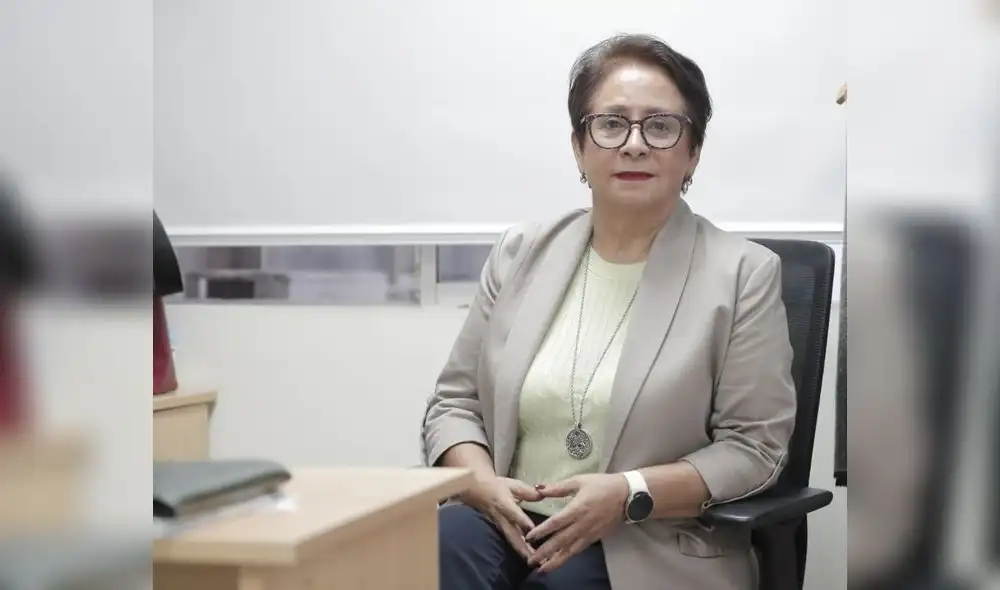
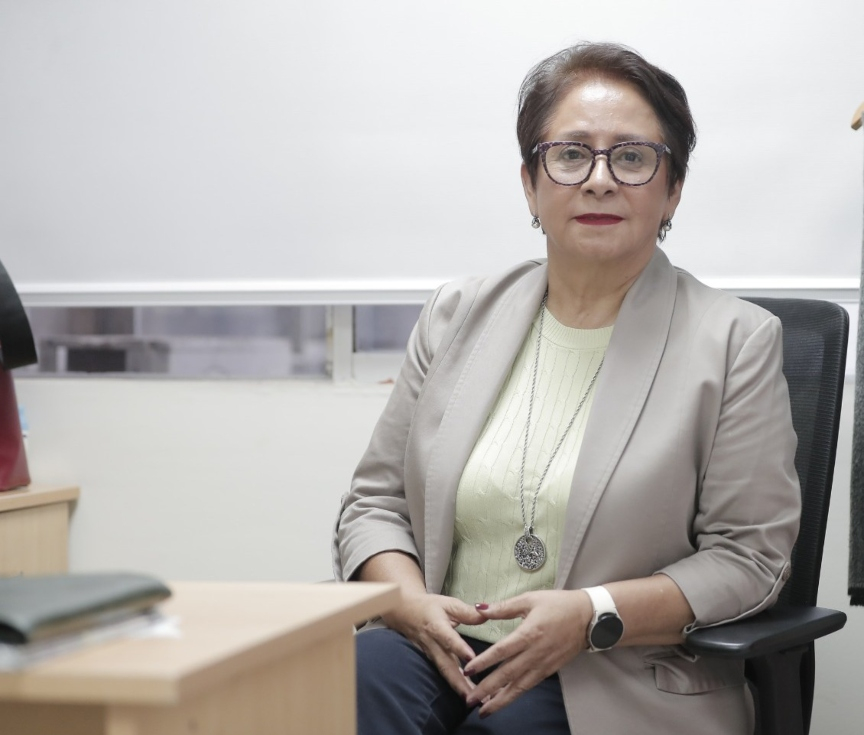
In an interview regarding the case, Susana Chávez, an obstetrician and executive board member of the non-governmental organization Promsex, described Aranda's actions as an unacceptable abuse of political power. Promsex is a leading Peruvian civil society organization that advocates for sexual and reproductive rights.
Chávez stated that citizens must never allow public authorities to use their official positions to violate fundamental human rights, including patient privacy and medical confidentiality. She noted that while requesting confidential medical files is already deeply alarming, publishing a patient's name publicly crosses an intolerable boundary.
Chávez questioned whether the lawmaker intended to publicly stigmatize the patient or intimidate the medical professionals responsible for her care. She stressed that personal privacy and professional medical secrecy must be strictly respected by all public officials.
Oversight boundaries and past incidents
Addressing Aranda's claim that his request constituted legitimate parliamentary oversight, Chávez stated that no official function justifies violating human rights. She emphasized that while parliamentary oversight is a valid legislative duty, it has strict legal limits defined by individual privacy rights, medical confidentiality, and the protection of women's lives and health.
Chávez added that Aranda had attempted to deny publishing the woman's identity despite having distributed the letter himself. She said the bare minimum required is for the congressman to acknowledge his actions, accept responsibility, and be evaluated for formal sanctions.
Chávez warned that the incident is part of a broader pattern of legislative interference in medical care, citing a previous case involving Congresswoman Milagros Aguayo. Aguayo had subjected staff at the National Maternal Perinatal Institute to hostility and harassment regarding therapeutic abortion care for underage rape victims.
During that previous incident, medical staff were forced to appear before an investigative commission and endure hostile treatment while Ministry of Health officials remained passive. Chávez criticized former health ministers and the Sexual and Reproductive Health Directorate for failing to defend medical staff or protect health services, warning that such dangerous precedents must not be repeated.
Chávez asserted that the Ministry of Health has a clear legal obligation to step in and defend medical teams when they act within the law. She stated that the ministry must actively prevent political oversight from turning into harassment or political interference in individual healthcare decisions.
Pattern of intervention and health risks
Chávez highlighted that the recent incident in Abancay was not an isolated event for Aranda. She recalled a prior case where a young woman was reported by her partner in an attempt to stop a potential abortion, during which Aranda publicly assumed the defense of the alleged fetus.
Medical evaluations in that prior case ultimately determined that the woman was not pregnant, leading authorities to archive the case entirely. Chávez noted that the outcome demonstrated Aranda's persistent interest in interfering with individual reproductive decisions, transforming political opinions into targeted harassment that damages constitutional rights.
Chávez warned that political interference in medical care carries severe risks for the entire public health system. She cautioned that if politicians are allowed to overturn medical decisions based on personal beliefs, future interventions could target teenage access to contraceptives or assisted reproduction treatments.
She emphasized that therapeutic abortion is not a concession but a vital public health measure designed to prevent women from being forced to continue pregnancies that endanger their health or lives. She noted that while Peru has reduced some obstetric emergency deaths, maternal mortality and preventable morbidity remain major challenges.
Social inequality and gender violence
Chávez highlighted the issue of social inequality, stating that while medical issues affect women across all social strata, impoverished women face the greatest hurdles in accessing timely, quality healthcare. She warned that political intimidation against health services disproportionately harms vulnerable women by dismantling policies designed to prevent avoidable death and disability.
Chávez defined the public exposure of a patient's medical file as a direct form of gender-based violence executed through political power. She explained that it represents an attempt to exert control over women's bodies and bodily autonomy.
She noted that society has historically imposed mandatory motherhood on women, even at the risk of their health or lives, a dynamic that feminist advocacy continuously challenges. Advising women who currently require therapeutic abortion care, Chávez urged them not to surrender to fear or give up their legal rights, stressing that the State remains legally obligated to protect patient confidentiality and guarantee dignified, timely medical attention.
Systemic non-compliance and democratic threats
Chávez identified the State itself as the primary violator of reproductive rights in Peru, noting that the central question should be how many eligible women and girls are actually allowed to access therapeutic abortion under current law. She described the Ministry of Health's official therapeutic abortion protocol as overly restrictive and filled with unnecessary barriers, adding that even these limited rules are frequently ignored.
Addressing top officials, Chávez stated that Health Minister Dyer must base public health decisions strictly on legislation, scientific evidence, and patient protection rather than personal convictions. She added that while the President of Peru may hold personal views on abortion, personal opinions cannot replace or alter established national law.
Finally, Chávez expressed concern over the potential misuse of the APCI Law regulating international cooperation agencies. She warned that if informing the public, accompanying patients, or defending legal rights becomes punishable under the APCI Law, the crisis extends far beyond public health to become a direct threat to Peruvian democracy.