Flávio Bolsonaro faces mounting pushback across Brazil's conservative movement following his 2026 election defeat at the ballot box, as rivals demand a break from his family's political brand. The defeat has reopened an intense debate over the future of Bolsonarism and whether right-wing parties can realistically maintain the electoral capital linked to the Bolsonaro name.
The Liberal Party moved quickly to assert that the senator remains the natural candidate for the presidency in 2030, highlighting that he secured more than 50 million votes and stands as the foremost leader of the right.
However, that stance has met strong opposition across the wider conservative spectrum. Political analyst Pedro Venceslau reported during the CNN 360 programme on Monday that the claim is contested by other conservative factions and appears to be maintained only by the Liberal Party itself.
Push for new leadership
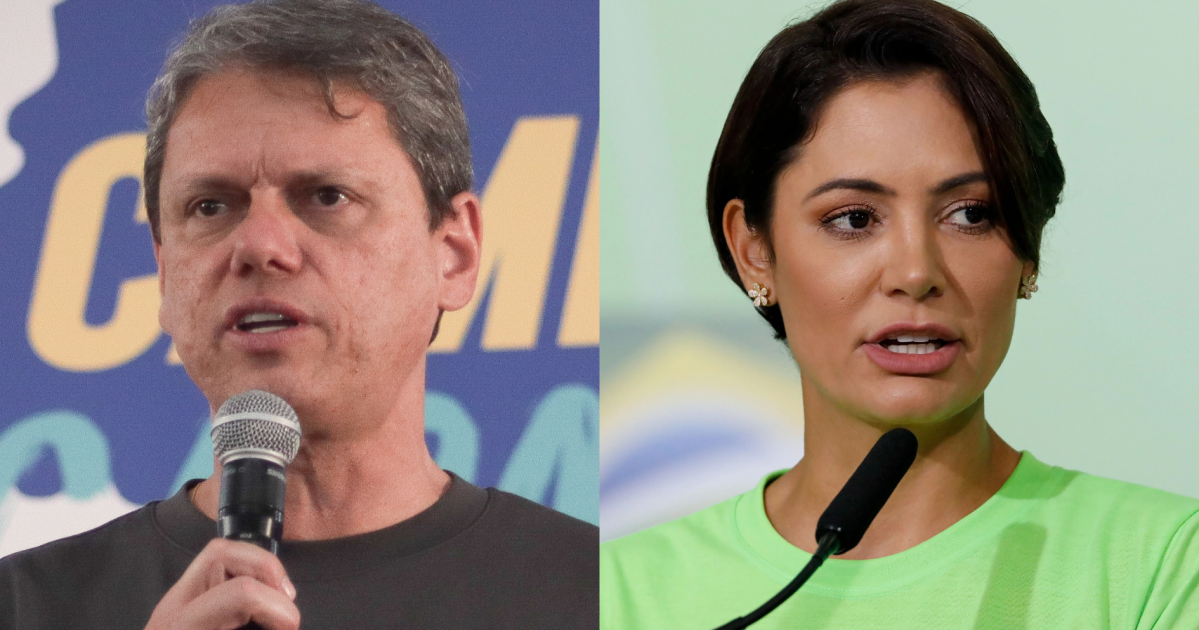
Parties in the influential centrist bloc known as the Centrão, alongside moderate wings of the right and critics inside the Liberal Party itself, are now arguing that the movement must detach itself from Bolsonarism and introduce new figures. In this shifting environment, São Paulo Governor Tarcísio de Freitas has emerged with significant momentum.
According to Venceslau, the Republicanos party, to which Freitas belongs, already considers the governor its natural candidate for the presidency in 2030. The analyst added that several members of the centrist bloc openly lamented that the conservative coalition chose Flávio Bolsonaro rather than Freitas to lead the ticket in 2026.
Centrist parties took a long time to join the campaign because they doubted the political viability of the senator, Venceslau said. Leaders within the bloc believed that Freitas could have won the presidency outright in the first round of voting.
Venceslau explained that the high public rejection associated with the Bolsonaro family surname ultimately undermined the right's chances of winning the election and removing the Workers' Party from government.
In Brazilian politics, the Centrão consists of powerful pragmatic parties in the National Congress whose alliances are critical for building legislative coalitions and running nationwide campaigns. Freitas, who previously served as national infrastructure minister before taking the helm of Brazil's most populous and economically powerful state, has built close ties with business leaders and congressional moderates.
Rival options inside the Liberal Party
Other figures within the conservative camp are also being viewed as potential leaders. Former first lady Michelle Bolsonaro, who won election to the Federal Senate representing the Federal District of Brasília, is seen as someone who carries the Bolsonaro surname while possessing political autonomy that distinguishes her from the rest of the clan.
Venceslau observed that her relationship with the sons of former president Jair Bolsonaro has often been turbulent and marked by internal friction. Expectations in the capital are that she will establish her own distinct political profile in the Senate, where the Liberal Party is already preparing plans for her to lead the opposition bloc or head the party's senatorial delegation.
Federal Deputy Nikolas Ferreira of Minas Gerais has also been identified as an emerging conservative leader. However, his immediate goal is to run for governor of Minas Gerais in 2030, when he will reach the legal age required to seek that office.
Weakened standing after campaign errors
Despite public expressions of support from his inner circle, the predominant assessment among Brazilian right-wing parties is that Flávio Bolsonaro leaves the 2026 race politically diminished. Venceslau concluded that the senator lost valuable political capital because of mistakes made during the campaign, leaving conservatives divided over their direction ahead of the 2030 race.