Peruvian Senator Jorge Gavidia confirmed on Monday that he will resign from both his party membership and the Senate caucus of the Partido del Buen Gobierno after backing the government's request for legislative powers.
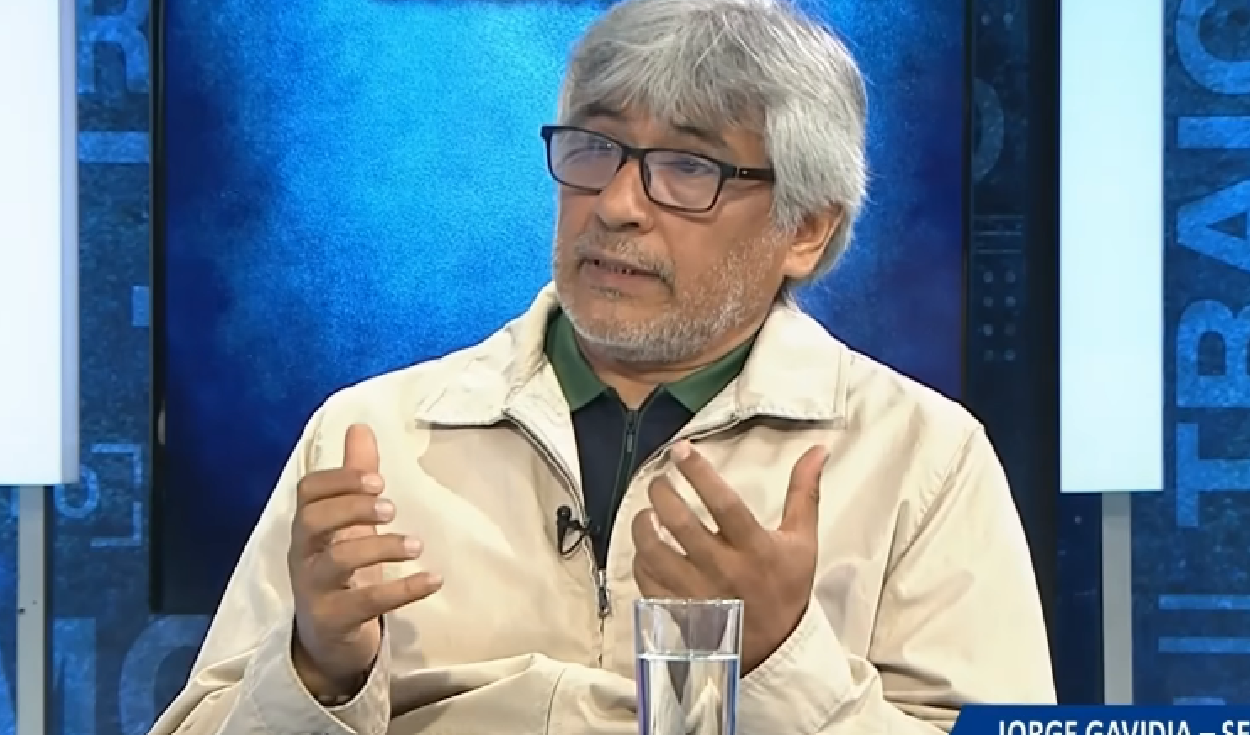
Speaking on the political program Sin Rodeos on Peruvian broadcaster Panamericana Television, Gavidia addressed party members five days after the upper house vote and said he was stepping down to avoid damaging the organization's public image. He explained that ever since he joined the party, he had considered its stance to be different from his own position.
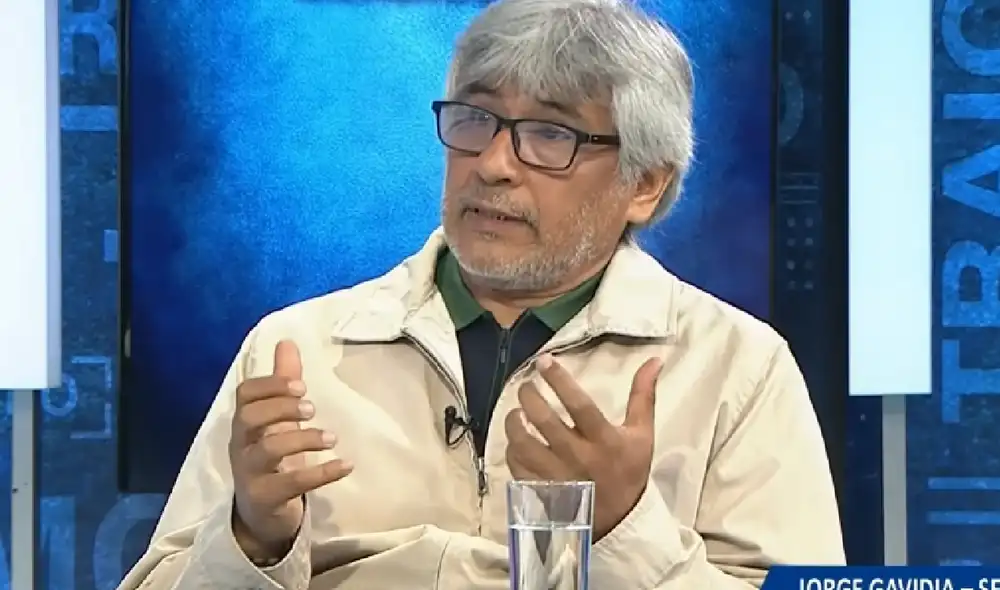
Gavidia added that Buen Gobierno has a future and counts on young members who think differently from him. Before formally confirming his departure on Monday, October 26, the senator had stated that he would leave if he had to, even though he had previously said he would never do so, and defended his vote as an expression of his personal freedom.
The October 21 Senate vote on legislative powers
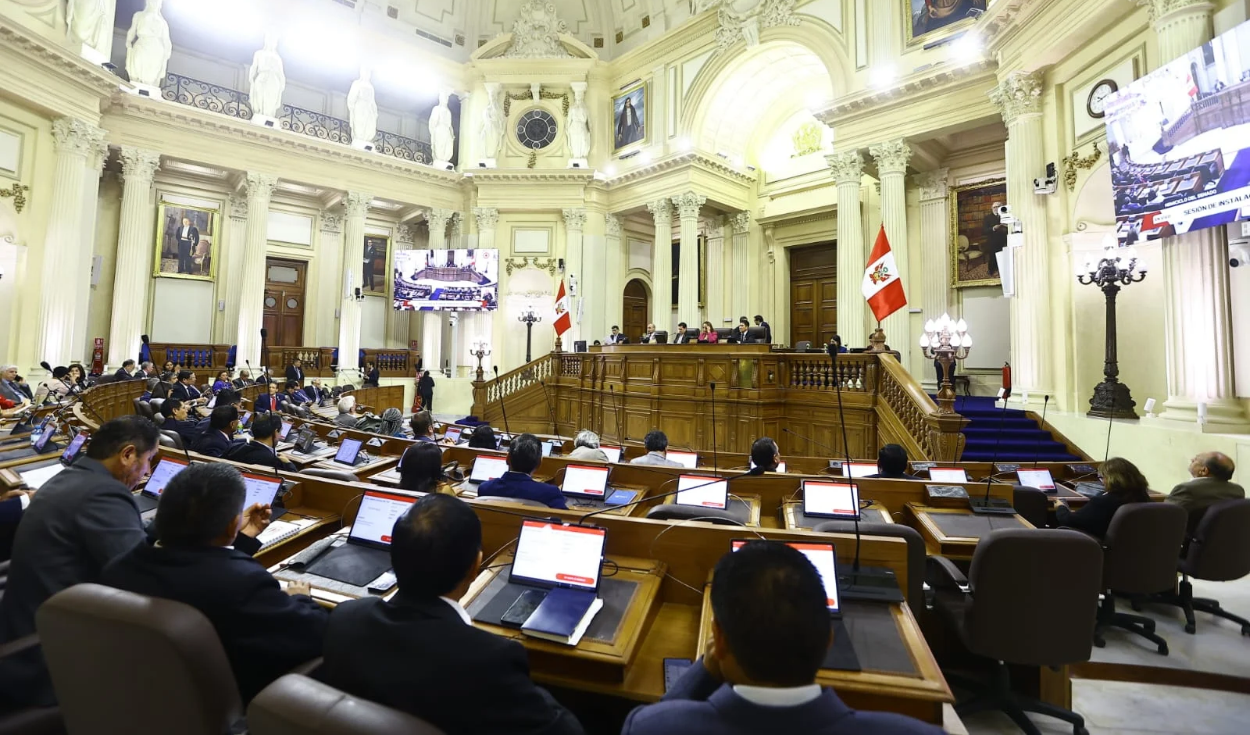
The dispute stems from the October 21 session of the full Senate of the Congress of Peru, which approved the legislative delegation bill with 35 votes in favor, 18 against and 6 abstentions. The Senate text added seven policy areas to the 20 subjects that had already been approved by the Chamber of Deputies, the lower house of Congress.
The vote divided the seven senators who make up the Buen Gobierno caucus. Only Gavidia and Senator Juver Flores voted to approve the legislative powers requested by the Executive branch, while the other five senators from the party, Nora Bonifaz, Carlos Caballero, Flavio Figallo, Patricia Iturregui and Susana Matute, all abstained.
Under Peru's constitutional system, the Executive branch can ask Congress to delegate authority to legislate by decree on specified matters for a set period. Such delegation bills allow the administration to enact laws directly without passing individual bills through the normal committee and floor stages in both chambers, making the votes a key test of legislative support in Lima.
Talks with Buen Gobierno leader Jorge Nieto
Ahead of his resignation announcement, Gavidia said he had arranged to meet on Monday with Buen Gobierno leader Jorge Nieto and would confirm whether the meeting could still take place. He noted that there had been an effort to facilitate an understanding between the two of them and said he sought to avoid causing any further harm to the party.
Nieto, a sociologist and former Peruvian cabinet minister who previously led the ministries of culture and defense, heads the Partido del Buen Gobierno. Within Peru's Congress, parliamentary caucuses, known as bancadas, organize committee assignments, floor speaking time and party voting positions.
Ideological dispute with Senator Nora Bonifaz
Gavidia's remarks drew strong criticism from Senator Nora Bonifaz, one of the five Buen Gobierno legislators who abstained during the October 21 floor vote. Bonifaz rejected her colleague's statements and challenged him to specify what ideological differences he maintains with the party.
She pointed out that Gavidia himself had entered the organization praising its government plan and ideological doctrine. Bonifaz said she did not understand his position because he had not once explained or substantiated his objections, pointing to what she described as a lack of transparency and mental obscurity. She added that although Gavidia calls himself a scientist, she wanted him to state his differences with the party scientifically one by one.
Uncertain future for Senator Juver Flores
Gavidia may not be the only lawmaker to leave the group after the split vote. Senator Juver Flores, who also voted in favor of the legislative powers requested by the government, did not rule out resigning from the Buen Gobierno caucus in remarks to the Peruvian daily Peru21, stating that he assumed responsibility for his actions.
Flores indicated that he would make his final decision on whether to remain in the caucus according to criteria of justice and what he called the supreme end. He explained that he was traveling for official commitments tied to his parliamentary duties and had not yet spoken with Nieto.
Reaction from Daniel Barragan and the Obras caucus
Senator Daniel Barragan of the Obras party also addressed Gavidia's announced resignation, recalling that both of them had voted on the Senate floor in favor of the legislative powers requested by the government of Keiko Fujimori. In statements to television network Canal N, Barragan said he hoped Gavidia and his party would hold talks and draw a conclusion from that dialogue.
Barragan stated that the doors of Obras were always open, while clarifying that any move would depend on the circumstances and require an evaluation. He noted that they had shared the same position on the vote and said his party did not rule out any possibility. Obras has five senators in the upper chamber, three of whom voted in favor of the legislative powers bill on October 21.
Gavidia's defense of his vote on technical grounds
Both Gavidia and Barragan had announced their intended votes hours before debate began in the full Senate. In an interview with Peruvian broadcaster Exitosa prior to the session, Gavidia said that even if his caucus established a common position, he would vote in favor because he places technical analysis above legal and political considerations.
When told during the Exitosa interview that he appeared to trust the Fujimorista movement, Gavidia replied that he trusted the country. He explained that if the ruling administration currently leads the government, he preferred to offer constructive criticism rather than distrust it and leave the country deadlocked, adding that he was not blind and would be able to recognize in later analysis if lawmakers had made a mistake in granting the legislative powers.